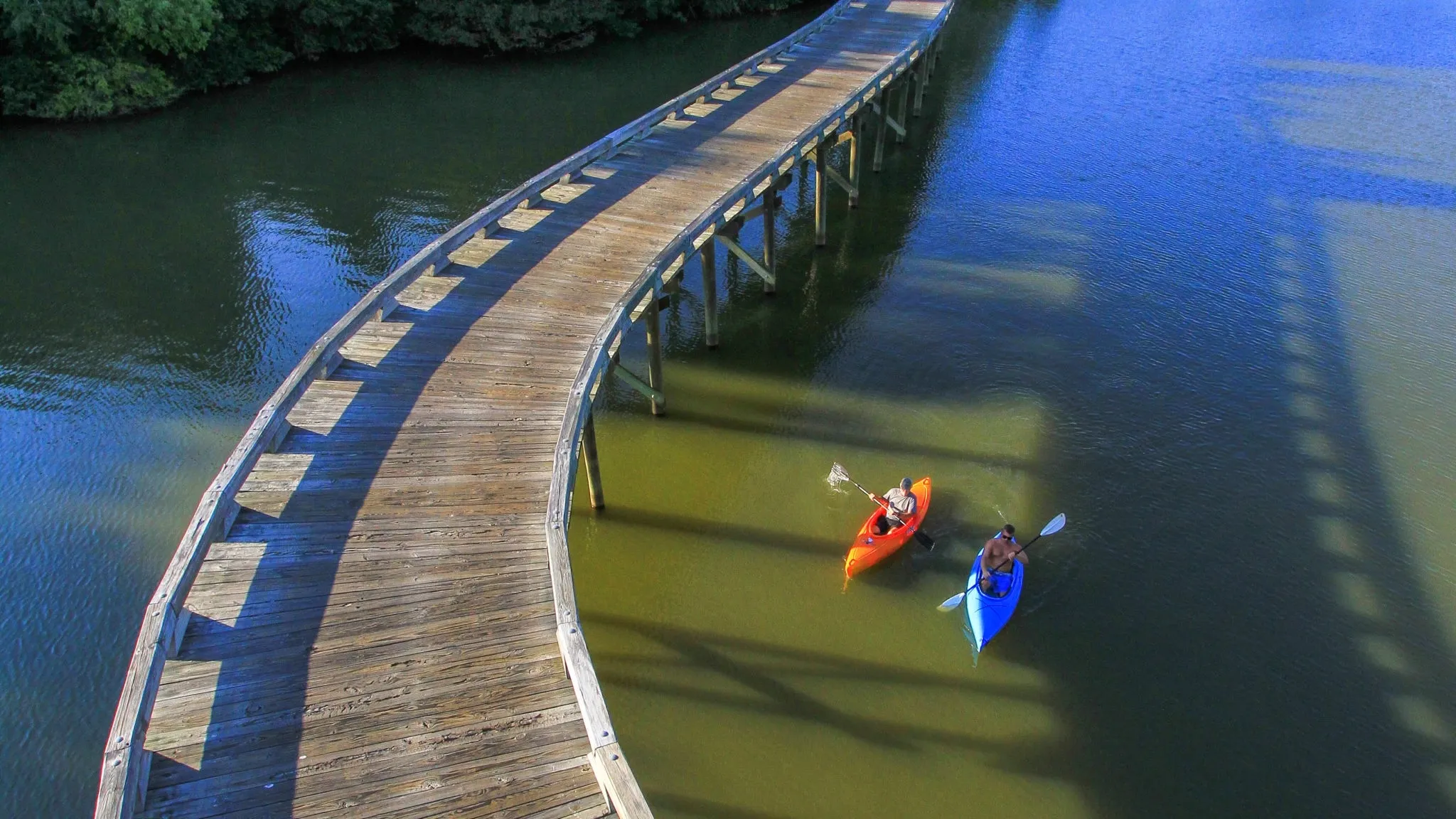

Watts Bar Lake is a sprawling reservoir in Tennessee prized for clear water, rocky shorelines, and miles of boating and fishing opportunities. For anyone considering a waterfront property, a seasonal rental, or a permanent dock, the presence or absence of a boat slip changes both lifestyle and logistics. This guide walks through buying and renting properties with slips, types of docks and slips available, permitting and maintenance considerations, and tips for matching choices to recreational goals.
Why a Boat Slip Matters at Watts Bar Lake
A boat slip isn’t just a place to park a boat — it becomes a central element of lake living. On Watts Bar, where coves, islands, and deep water mix, immediate access to the lake makes spontaneous outings possible, increases property value, and can substantially improve the lifestyle of renters and buyers alike.
For property buyers, a deeded slip or private dock strengthens resale value and appeals to buyers who prioritize water access. Renters benefit from convenience and cost savings if the rental includes a slip — renting a slip separately can be expensive and sometimes difficult to secure during peak season.
Daily Life and Convenience
Having a slip eliminates the need for trailering, which can save time and reduce wear on both vehicle and vessel. Morning fishing trips, evening cruises, and quick runs for groceries become easier when the boat is always ready. For families, a slip simplifies loading and unloading children and gear, and provides a stable platform for swimming and watersports.
Financial Impact on Property Value
Homes with private slips typically command higher prices and attract a wider pool of buyers. A deeded slip recorded with the property title is more valuable than a license to use a community dock, and a well-maintained dock with privacy and protection from wakes is a strong selling point.
Buying a Watts Bar Lake Property With a Boat Slip
When shopping for a waterfront property, clarify whether the slip is deeded, leased, or part of a shared community dock. Deeded slips transfer with the property, while leased slips require confirmation of lease terms and renewability. Shared docks may come with HOA rules governing use, maintenance, and guest access.
Work with an agent experienced in waterfront transactions at Watts Bar Lake. They can help uncover restrictions such as setback requirements, riparian rights, or historical easements that affect where a dock can be placed and whether the slip conveys with the property.
Questions to Ask Before Making an Offer
Key questions include: Is the slip deeded or under a permit? Are there any outstanding permits or violations associated with the dock? What are the community covenants and maintenance responsibilities? Are there depth or access limitations during certain seasons? Clear answers prevent surprises after closing.
Inspections and Title Review
Inspections should include structural assessment of the dock, pilings, walkways, and any boat lift. A title search must confirm whether the slip is recorded as part of the parcel or is governed by a separate agreement. Title issues can complicate financing and insurance, so resolving them early is crucial.
Renting a Property With a Boat Slip
Renting a home that includes a slip can be an efficient way to test lake living without the long-term commitment of buying. Short-term vacation rentals often advertise slips, but confirm size, depth, and whether the slip is seasonal or year-round.
Longer-term leases may include access to a community dock rather than a private slip. In such cases, carefully review lease language about dock use, guest policies, and any additional fees assessed by an HOA or dock association.
Seasonal Considerations for Renters
Watts Bar Lake water levels fluctuate seasonally, and docks in low-lying areas may become less accessible during droughts or winter drawdowns. Ask the property manager about historical water levels at the dock and whether temporary relocations or adjustments occur during certain months.
Insurance and Liability for Short-Term Rentals
Renters should understand liability and insurance coverage related to dock use. Short-term renters may be covered under the property owner’s policy, but guests who bring boats should verify whether their boat insurance extends to slips and use at the lake. Accidents on shared docks sometimes lead to disputes, so clarity in the rental agreement is beneficial.
Dock and Slip Types at Watts Bar Lake
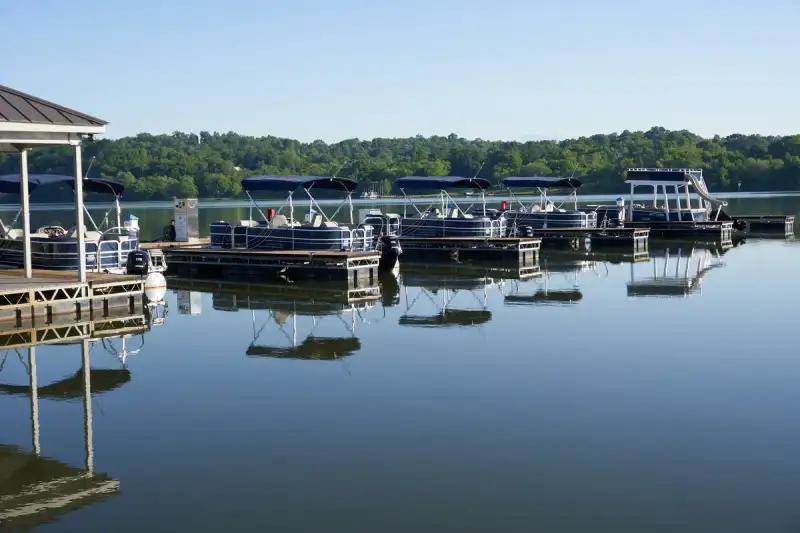
Docks vary widely in materials, construction, and amenities, ranging from basic floating platforms to multi-slip marina-style structures with electric lifts and boarding roofs. Choosing the right dock depends on boat size, intended use, budget, and local regulations.
Floating vs. Fixed Docks
Floating docks rise and fall with water levels, making them ideal where variation is common. They are easier to install and often less expensive, but can be more vulnerable to storm surge and ice in colder months. Fixed docks, built on pilings driven into the lakebed, provide a solid platform and can withstand heavy loads, but require careful engineering in fluctuating water conditions.
Boat Lifts, Canopies, and Accessories
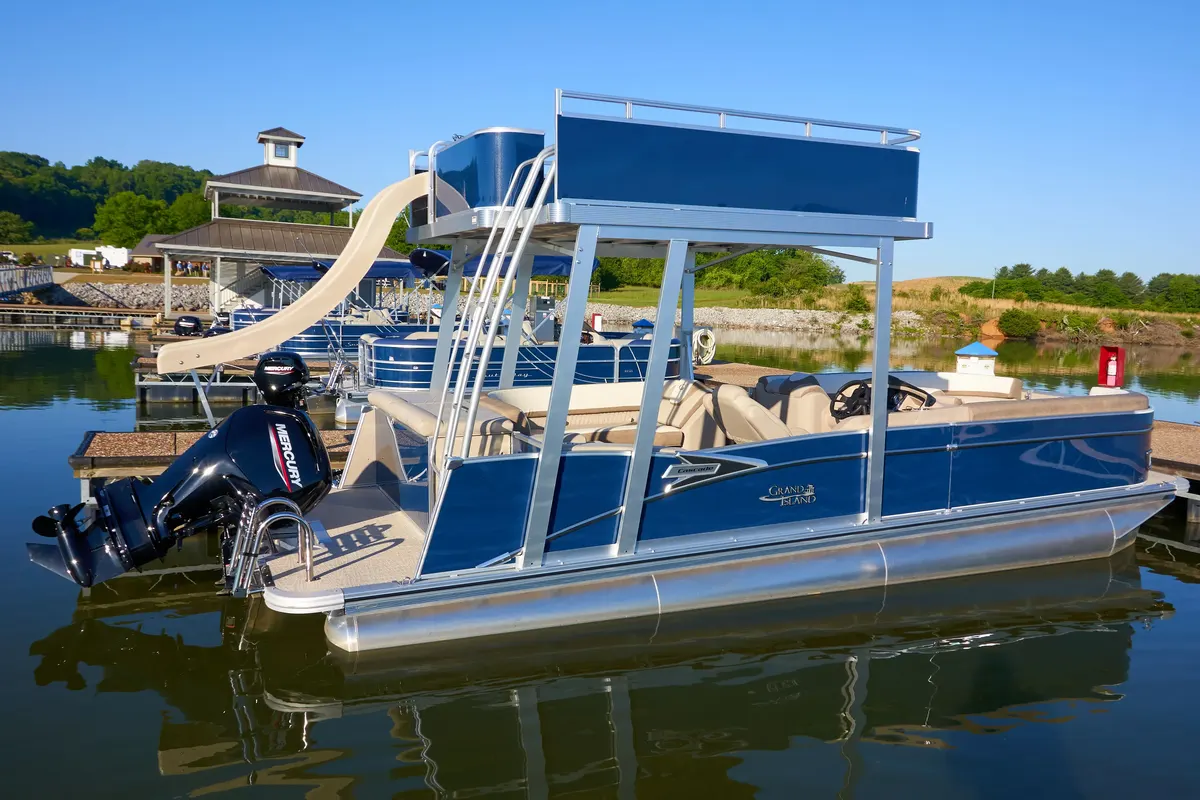
Boat lifts protect vessels from hull damage, reduce maintenance, and extend the life of engines by keeping boats out of the water. Canopies provide UV protection and help preserve interior and upholstery. Accessories such as boarding ladders, cleats, lighting, and fish-cleaning stations add convenience and can be decisive factors when comparing properties.
Permitting, Regulations, and Environmental Considerations
Installing or modifying a dock on Watts Bar Lake usually requires coordination with federal, state, and local authorities. The Tennessee Valley Authority (TVA) manages the reservoir, and local county offices oversee zoning, building permits, and environmental compliance.
Environmental concerns include shoreline erosion, aquatic vegetation disruption, and impacts to fish and wildlife habitats. Best practices include minimizing shoreline disturbance, using materials that do not leach pollutants, and avoiding placement in shallow, vegetated areas where habitat loss would occur.
Permits and Approval Process
Depending on the scale of the project, approvals might include TVA review, state water quality permits, and county building permits. Smaller, removable docks may qualify for simplified procedures, but all projects should be verified before construction begins to avoid costly removal or fines.
Maintenance and Seasonal Actions
Regular maintenance extends dock life: tighten fasteners, inspect pilings, and remove algae buildup. Seasonal activities may include winterizing boat lifts and securing floating sections. Removing silt and debris that collect around pilings can prevent long-term damage and reduce mosquito breeding areas.
Cost Considerations and Financing
Costs for slips and docks vary widely. A simple floating dock can be relatively affordable, while a custom multi-slip dock with boat lifts and decking materials can be a significant investment. Budgeting should include initial construction, permitting fees, insurance, and ongoing maintenance.
Financing options include cash purchases, home improvement loans for dock construction attached to the property, or specialized marine loans. When the slip is separate from the property, financing may depend on private agreements or marina-based arrangements.
Estimating Long-Term Costs
Plan for an annual maintenance budget equal to a percentage of the original dock cost, typically 3–5% per year for moderate use. Replacement of worn decking, lift repairs, and seasonal labor add to recurring expenses. Insurance premiums will also reflect replacement value and exposure to storms or liability risks.
Community Docks and Cost-Sharing Models
Many neighborhoods on Watts Bar share a common dock and split maintenance costs. These arrangements lower individual expense but create communal responsibilities. Clarify how costs are allocated, how decisions are made, and what happens if a member does not contribute their share.
Choosing the Right Option for Recreation and Lifestyle
Match dock and slip choices to intended activities. Anglers prioritize quick access to deep water and a stable platform for launching kayaks and prep for fishing trips. Watersports devotees need unobstructed access to open lake and secure storage for wakeboards and skis. Families may emphasize secure fencing, safe boarding platforms, and comfortable decks for socializing.
Explore nearby marinas and public boat ramps when considering a property without a private slip. Sometimes a property without a slip offers equally compelling advantages if convenient public facilities exist nearby.
Prioritizing Safety and Accessibility
Ensure docks have adequate lighting, nonslip surfaces, and clear depth markers. For households with children or pets, gates and railings add peace of mind. Accessibility features like wider gangways and ramps improve usability for older adults or people with mobility limitations.
Resale Considerations and Market Demand
Local market trends influence how much value a slip adds. In high-demand areas of Watts Bar, private slips with modern amenities can significantly increase resale value. Conversely, properties with inadequate or poorly maintained slips may become harder to sell, so investment in quality often pays off.
Final Tips for Prospective Buyers and Renters
Confirm all legal documentation regarding slips and docks, including recorded easements, covenants, and permits. Budget realistically for construction and upkeep, and seek professional inspections before closing a purchase or signing a lease. When possible, visit the site at different times and seasons to observe water levels, access, and neighbor activity.
Watts Bar Lake offers many options for those who want to integrate boating into daily life. Whether buying a home with a deeded slip, renting for a season, or installing a new dock, careful planning and informed choices will maximize enjoyment and protect investment value.
Additional resources include local marina operators, county permitting offices, and the Tennessee Valley Authority for specific regulatory guidance. With the right information, a slip at Watts Bar Lake can transform waterfront living from a dream into a practical and rewarding reality.
Discover Waterfront Luxury at Tennessee National
Ready to elevate your Watts Bar Lake experience? Tennessee National combines the beauty of waterfront living with luxury amenities, including a private marina and Greg Norman Signature Golf Course. Whether you seek a move-in ready home or a custom build within a premier gated community, we offer the perfect blend of comfort and recreation. [