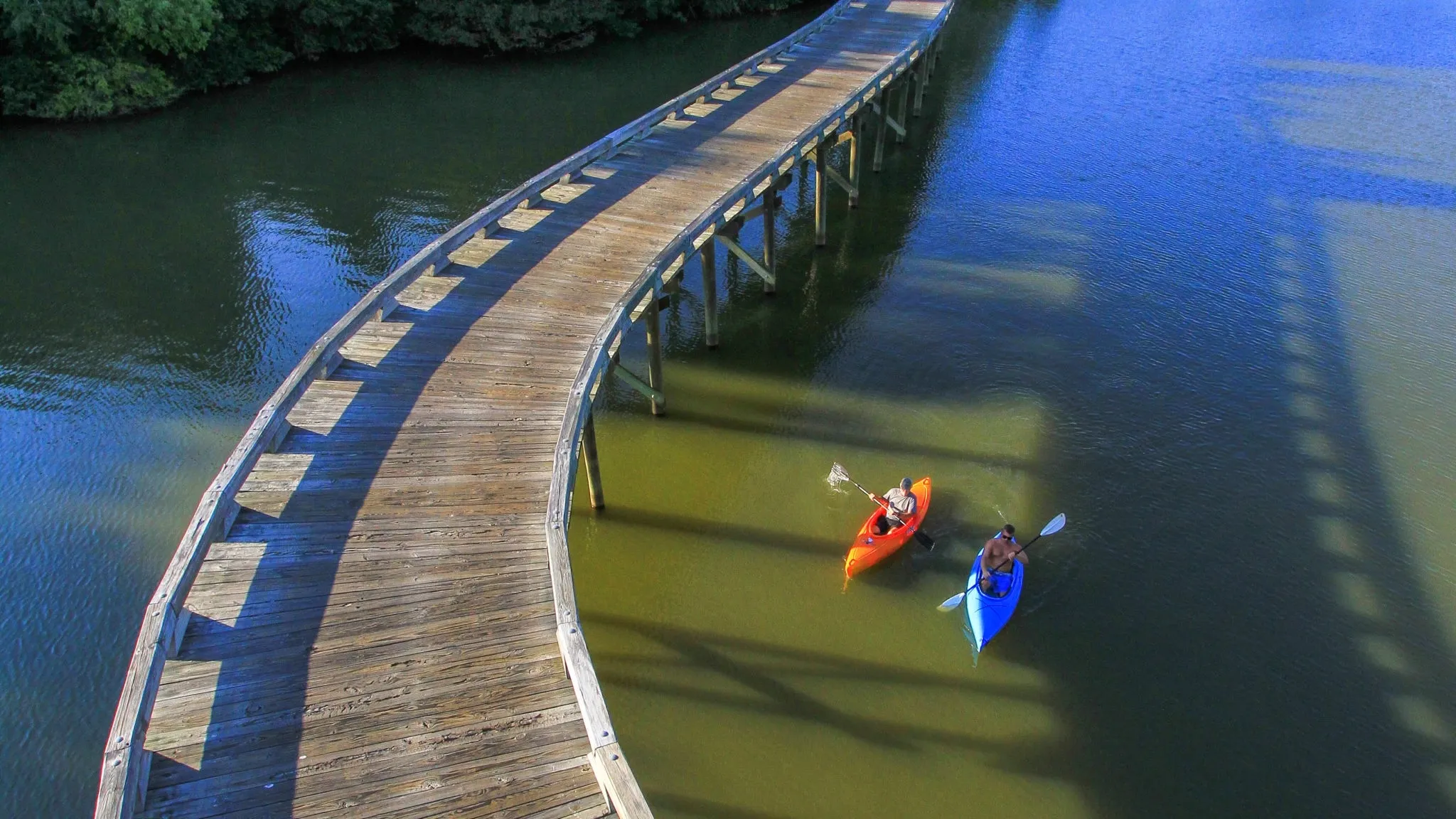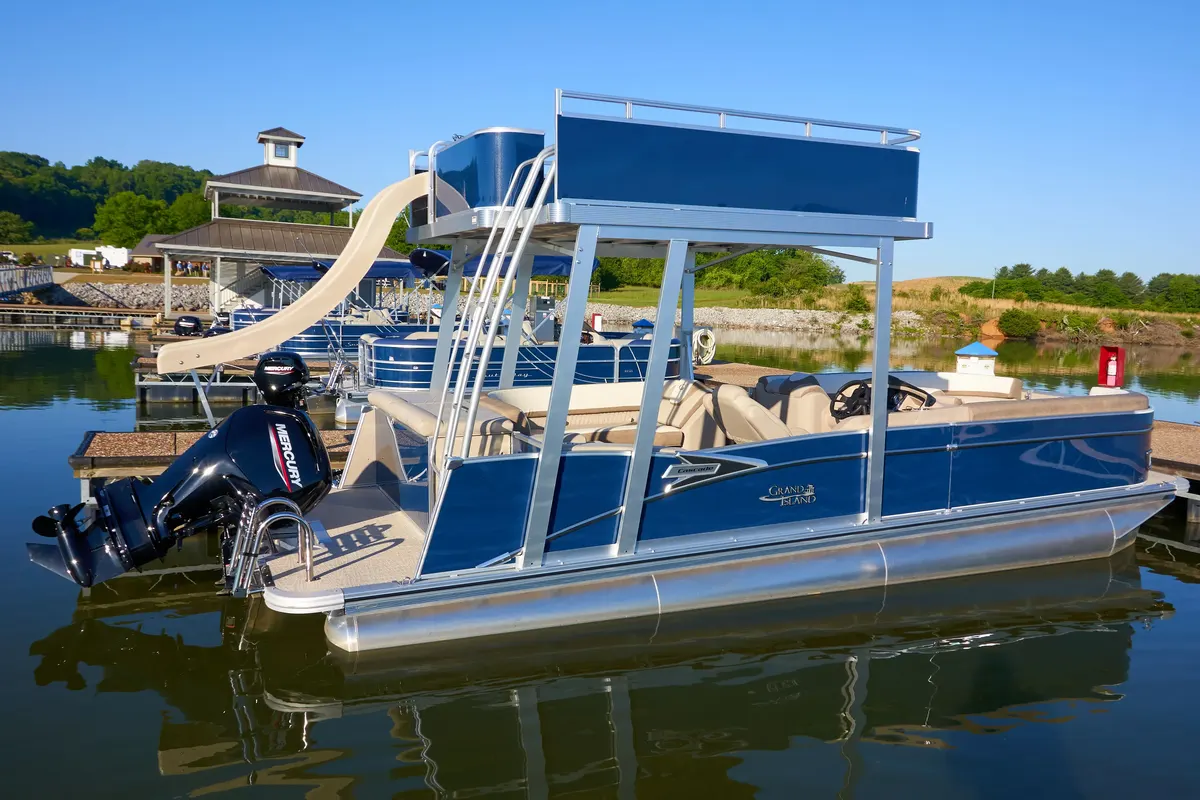
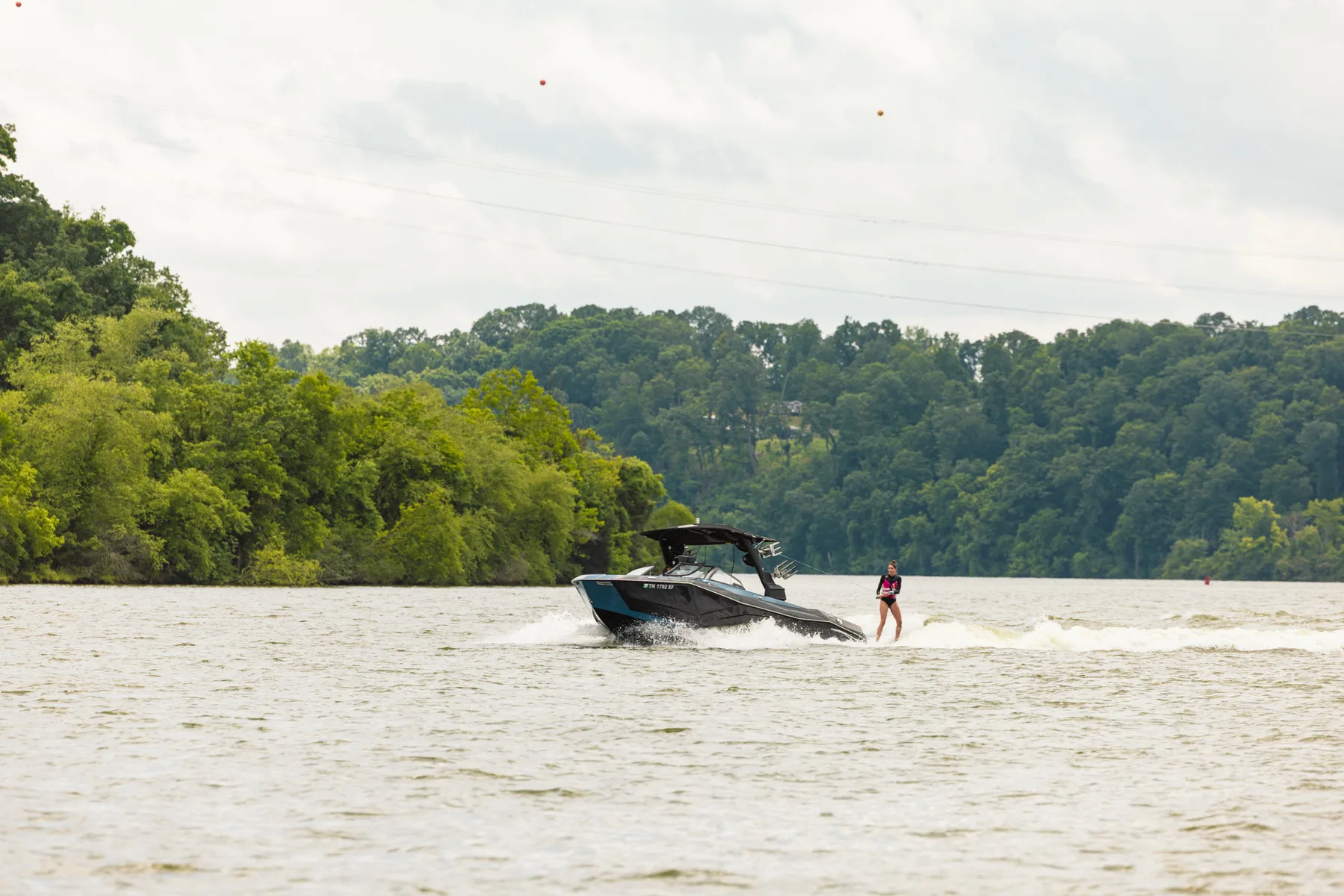
Watts Bar Lake, carved into the Tennessee landscape by the Tennessee River, offers a mix of wide-open water, quiet coves, wooded shorelines, and dramatic sky views. For visitors with a camera or smartphone, the lake is a playground of light and perspective. The following guide highlights the best vantage points, practical tips for capturing memorable images, and how to plan outings for optimal conditions. Whether interested in sunrise reflections, sunset silhouettes, or intimate shoreline details, there are plenty of spots and techniques to explore.
Why Watts Bar Lake is a Photographic Gem
Watts Bar Lake combines accessible public areas with secluded corners, creating a wide range of photographic opportunities within a relatively small geographic area. The diversity in terrain—rocky bluffs, sandy coves, marinas, and forested peninsulas—means photographers can shoot landscapes, wildlife, and water textures without traveling far.
Light interacts with the lake differently throughout the day. Mornings often bring glassy reflections and misty pockets, while evenings can feature vivid sunsets and long shadows. Seasonal changes transform the scene: spring and summer offer lush green backdrops; fall brings warm foliage; winter can create stark, minimalist compositions.
Top Waterfront Spots Around the Lake
Watts Bar Lake stretches across a substantial area, and while many good locations exist, a handful stand out for their views, accessibility, and photographic potential. The following sections describe several favorite spots and what to expect at each.
Chilhowee Recreation Area
Chilhowee’s shoreline provides broad viewpoints and easy access to the water. Wide-angle compositions work well here, capturing the expanse of the lake with tree-lined edges. Early morning light is particularly flattering, often creating gentle reflections and soft color gradations across the water.
Spring City Marina
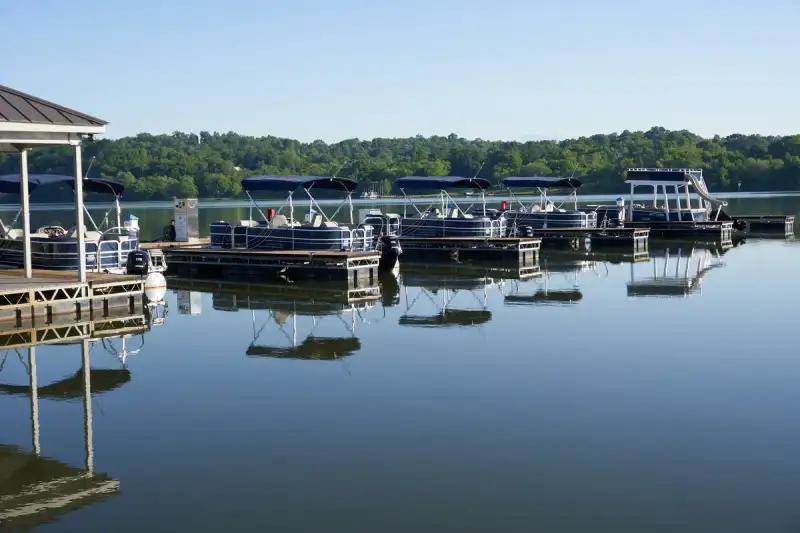
Marinas like Spring City are ideal for capturing human elements—boats, docks, and activity—against the natural backdrop. Piers and slips form leading lines that guide the eye into the frame. During golden hour, the warm light adds depth to textures on boats and wood, producing rich, inviting scenes.
Ten Mile Creek and Rocky Coves
Ten Mile Creek showcases smaller, more intimate landscapes with rocky shorelines and pockets of shade. These spots are excellent for detail work: close-ups of wet rocks, ripples, and reflections. Overcast days can be an advantage here, as diffused light reduces harsh shadows and enhances color saturation.
Battery Island and Open-Water Vistas
For wide open-water shots, look for higher vantage points or peninsulas that offer unobstructed views. The sense of scale—boats dwarfed by the horizon, long lines of sky—becomes a central element. These locations suit panoramic compositions and minimalist images with broad color fields.
Parks and Picnic Areas
Public parks and picnic areas around the lake often combine convenience with scenic variety. Trails leading to the water can yield layered compositions: foreground interest from rocks or plants, midground with the water, and background elements like hills or distant shores. These sites also tend to have amenities, making them comfortable places for longer photo sessions.
Timing and Weather: Plan for the Best Light
Light quality is the single most important factor for landscape and waterfront photography. Knowing when and where to shoot will dramatically improve results. The nature of the lake, with its low horizon and open skies, makes timing particularly important for dramatic sunrise and sunset shots.
Golden Hour and Blue Hour
Golden hour—the hour after sunrise and before sunset—produces warm, soft light that adds depth and richness to water scenes. Shadows become long and textures are enhanced, which is flattering for both wide and detailed shots. Blue hour, the brief period before sunrise and after sunset, yields cooler tones and a calm, moody atmosphere that works well for long exposures and reflections.
Midday Shooting Strategies
Midday light can be harsh, but it is still useful. Polarizing filters help reduce glare and increase color saturation. Seek shaded coves or wait for cloud cover to soften the light. Midday can also be the best time for wildlife activity in warmer months, so be ready with a longer lens for bird or animal portraits.
Weather Effects
Fog and mist create a magical mood, especially over calm water at dawn. Stormy skies offer contrast and drama, while post-storm light often produces vivid rainbows and saturated colors. Check the weather forecast and be flexible—sometimes the most memorable shots come from brief, unexpected conditions.
Composition Tips for Waterfront Photography
Compositional choices guide how viewers experience the scene. The following techniques help create stronger images that convey depth, scale, and emotion.
Use Leading Lines and Foreground Interest
Paths, shorelines, docks, and ripples all work as leading lines that draw the eye into a photo. Including a strong foreground element—rocks, plants, or a weathered log—adds depth and invites viewers into the scene. Experiment with low-angle shots to emphasize these features.
Rule of Thirds and Horizon Placement
Placing the horizon on the top or bottom third of the frame helps balance land and sky depending on which element is more interesting. For dramatic skies, move the horizon lower; for reflective water or strong foregrounds, move it higher. Combining the rule of thirds with foreground interest often results in compelling compositions.
Frame Within a Frame
Natural frames—overhanging branches, arches, or pilings—help isolate the subject and add layers to the image. Framing can also guide the viewer’s attention toward the focal point, whether that is a distant boat, a patch of reflected light, or a colorful sky.
Camera Settings and Gear Recommendations
Equipment choices and settings depend on the desired effect. The lake’s variety supports a range of approaches, from fast-action wildlife shots to long-exposure seascapes. The following general recommendations help for common situations.
Essential Gear
A reliable tripod is invaluable for low-light and long-exposure shots. A polarizing filter will cut glare and deepen skies, while neutral density (ND) filters enable smooth water effects during daylight. A wide-angle lens captures expansive vistas; a telephoto lens isolates distant subjects and compresses perspective.
Exposure Settings for Different Effects
For crisp, daylight landscapes: use a low ISO (100–200), moderate aperture (f/8–f/11) for depth of field, and adjust shutter speed to expose correctly. For silky water: use an ND filter with a shutter speed from 1/2 second to several seconds, depending on light and flow. For wildlife: raise ISO as needed and use fast shutter speeds (1/500s or faster) to freeze motion.
White Balance and Color
Auto white balance works for many situations, but setting a specific white balance—Daylight, Cloudy, or Shade—can better capture the mood. For sunset and sunrise, slightly warmer settings enhance golden tones. Shooting in RAW allows flexible white balance adjustments in post-processing without degrading image quality.
Creative Techniques to Try
Exploring a few creative methods can yield distinctive images that stand out from typical postcards. These techniques encourage a thoughtful approach rather than simply recording a scene.
Long Exposure for Smooth Water
Using a tripod and ND filter, lengthen the exposure to several seconds to create a glassy or mist-like water surface. This technique works well at dawn and dusk, or when cloud cover reduces light. Composing with solid foreground elements prevents the scene from feeling too ethereal.
Reflections and Symmetry
Calm mornings often reveal mirror-like reflections. Align the composition to highlight symmetry, or deliberately offset the horizon to create tension. Reflections can be used to frame subjects or to create abstract, painterly images of color and shape.
Minimalist and Abstract Images
Watts Bar Lake offers opportunities for minimalism: isolated buoys, lone trees, or a single boat against a broad sky. Focus on clean lines, negative space, and subtle color shifts. Cropping tightly and simplifying the composition can emphasize form and mood.
Practical Tips for a Smooth Photo Outing
Preparation matters. The following practical considerations ensure comfort, safety, and a better chance of capturing great images.
Timing and Access
Research public access points and parking. Arrive early for sunrise and plan exits after sunset—some roads and facilities close early. If exploring less developed shorelines, wear sturdy shoes and be mindful of uneven ground near water’s edge.
Weather, Safety, and Wildlife
Carry layers, water, and sun protection. Sudden weather changes can occur, so have a waterproof cover for camera gear. Respect wildlife habitats by keeping a distance and using appropriate lenses. Avoid disturbing nesting areas or trampling vegetation for the sake of a shot.
Respect and Stewardship
Leave no trace. Pack out all trash, stay on designated trails where possible, and avoid damaging shoreline plants or structures. Many scenic areas are maintained by local communities—minimal impact helps keep these places beautiful for everyone.
Editing and Sharing Your Photos
Post-processing can enhance the mood and clarity of waterfront images, but subtlety is key. Adjustments in contrast, exposure, and color balance often make the biggest improvement without overwhelming the natural scene.
Basic Editing Workflow
Start with exposure and white balance correction, then adjust contrast and highlights to recover details. Use selective sharpening on focal points, and apply noise reduction sparingly if higher ISO was used. Graduated filters within editing software help balance bright skies with darker foregrounds.
Advanced Considerations
Panoramic stitching works well for expansive vistas, while focus stacking can increase depth of field in close foreground-to-background scenes. Use layers for more refined edits, such as dodging and burning to subtly guide the viewer’s eye.
Final Thoughts and Inspiration
Watts Bar Lake is a versatile and rewarding destination for photographers of all levels. The combination of accessible locations, varied light, and year-round changes means there is always something new to discover. Planning around light and weather, practicing composition techniques, and respecting natural areas will lead to images that capture both place and mood.
With the right spots, gear, and patience, it is possible to create a body of work that reflects the lake’s many faces—from serene mirror-like mornings to dramatic, color-saturated evenings. Treat each outing as an opportunity to refine skills and explore new angles; sometimes the most memorable images come from the simplest moments.
Discover Waterfront Living at Tennessee National
After capturing the stunning views of Watts Bar Lake, imagine calling this breathtaking setting home. Tennessee National offers an exclusive gated community with luxury waterfront living, including access to a private marina, Greg Norman Signature Golf Course, and over 20 premier amenities. Whether you prefer a move-in ready home or a custom build, experience resort-style living surrounded by nature’s beauty. [