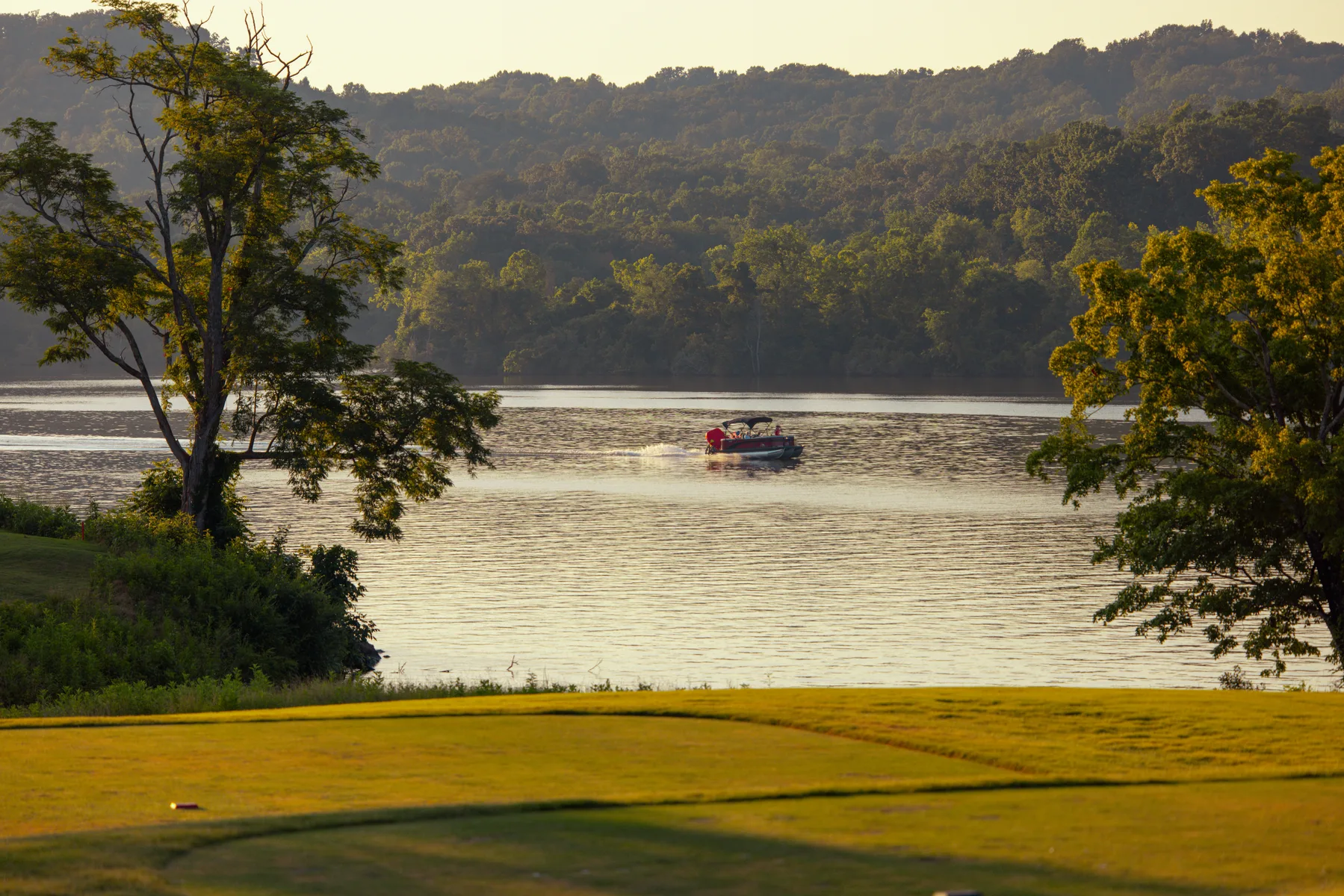
Watts Bar Lake, straddling parts of Tennessee, offers a compelling mix of clear water, tree-lined shorelines, and a laid-back lifestyle that appeals to weekenders, retirees, and full-time residents alike. Buying waterfront property there involves more than choosing a scenic lot — it requires understanding local markets, docks and riparian rights, seasonal weather patterns, and the long-term costs of owning lakefront real estate. This guide walks through the essentials so prospective buyers can approach the search with confidence.
Why Choose Watts Bar Lake?
Watts Bar Lake is known for its combination of recreational opportunities and relatively accessible property prices compared with some other Tennessee lakes. Fishing, boating, and water sports are major draws, and the lake connects to broader waterways that make extended boating trips possible. Communities around the lake have a range of housing options, from modest cabins to sizeable custom homes on large lots.
Another appealing factor is the proximity to regional centers. Cities such as Knoxville and Chattanooga are within reasonable driving distance, making commuter and second-home scenarios viable. Surrounding countryside features rolling hills and wooded parcels that help preserve a natural feeling along many shorelines, creating attractive views and privacy for waterfront homeowners.
Types of Waterfront Property Available
Watts Bar Lake real estate spans a spectrum: riparian lots with direct water access, elevated properties with panoramic views, and older homes with established docks that might need updating. Some properties are part of subdivisions with shared amenities, while others are secluded parcels on private roads. Each type carries different advantages and responsibilities, such as dock maintenance, HOA rules, and access rights.
Developable acreage is less common than smaller residential lots, but it appears periodically. Properties with gentle slopes to the water are typically easier to develop and maintain, whereas steeper lots may offer superior long-range views but require more complex construction and erosion control measures. Potential buyers should weigh the trade-offs between immediate access to the water and long-term resale value.
Seasonal vs. Year-Round Homes
Many buyers target Watts Bar Lake for vacation homes that are used seasonally, which can influence construction choices—seasonal properties might favor simpler utilities and lower-cost finishes. Year-round homes require full-time infrastructure considerations, from winterization potential to robust septic and heating systems. Lenders and insurance providers often treat seasonal homes differently, so it’s important to clarify intended use early in the purchase process.
Understanding Docks, Boathouses, and Riparian Rights
Ownership of lakefront land does not automatically grant unrestricted use of the lakebed or the right to build any structure. Local regulations, Tennessee Department of Environment and Conservation rules, and U.S. Army Corps of Engineers permits can all play a role in what can be built. Confirming the status of existing docks, whether they are permitted, and whether a new dock can be constructed is critical before committing to a purchase.
Riparian rights are another consideration: these typically allow shorefront owners reasonable access to use the water, but specifics can vary and may be constrained by easements or covenants. If a neighboring property controls shore access or a shared dock, the effective value of the waterfront parcel could be impacted. An experienced real estate attorney or agent familiar with lake properties can clarify these nuances.
Dock Types and Maintenance
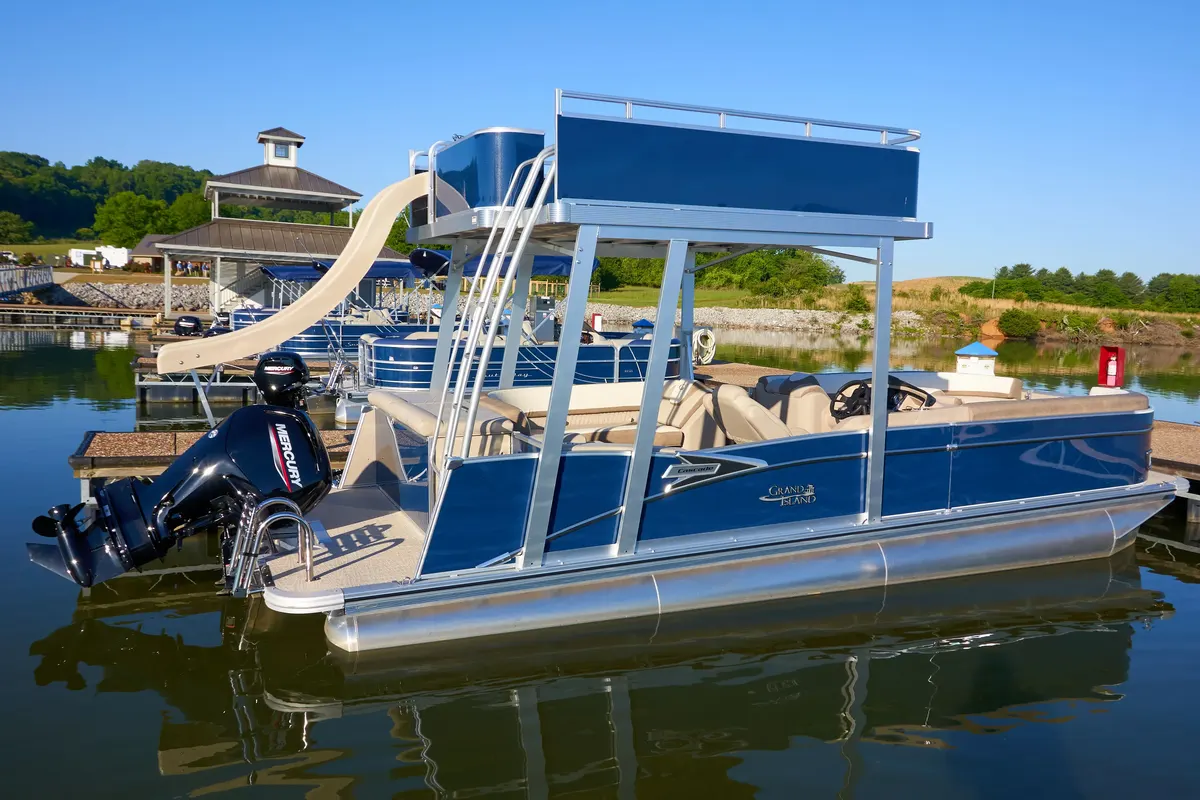
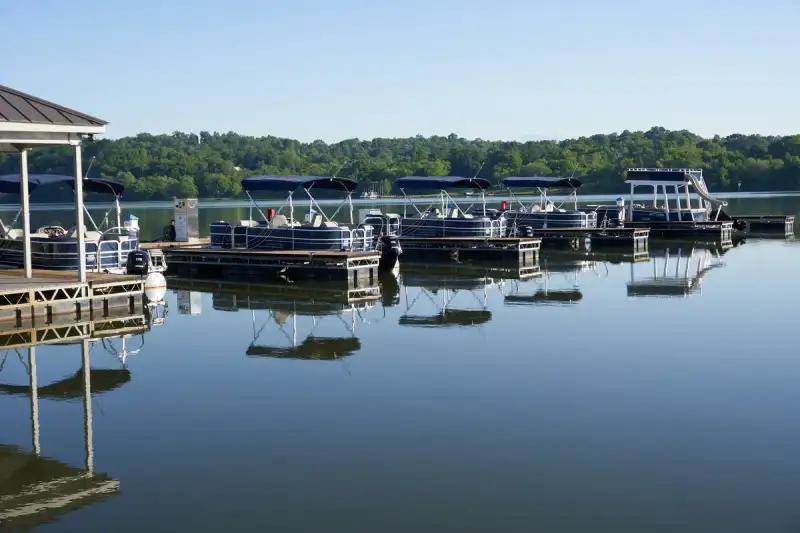
Docks on Watts Bar Lake range from floating timber structures to covered boathouses and lifts. Covered boathouses provide better protection for vessels and can add functional storage, but they often require additional permits and increased maintenance. Floating docks are more adaptable to changing water levels but may have shorter lifespans and require winter removal in some cases.
Maintenance factors include rot-resistant materials, occasional repairs after storms, and consideration of local pests like wood-boring insects. Budgeting for periodic dock refurbishment, lift motor replacement, and cleaning should be part of the long-term cost assessment when evaluating a property.
Location, Access, and Neighborhood Considerations
Choosing the right location on Watts Bar Lake depends on lifestyle priorities. Shallow coves offer calmer water for paddle sports and family swimming, while deeper channels are preferable for larger boats and faster access to open water. Proximity to boat ramps, marinas, and fuel docks matters for those who plan frequent boating; conversely, privacy-seekers may prioritize secluded coves and fewer neighbors.
Road access and utilities also vary. Some lakefront properties sit on well-maintained paved roads, while others lie down gravel or privately maintained lanes. Water, sewer, and electrical reliability should be confirmed, and if a property relies on a septic system or well, inspections and disclosures are essential to avoid unexpected repair costs. Neighborhood dynamics, such as HOA rules, noise levels, and community events, will also shape the living experience.
Financing Waterfront Property
Financing a waterfront home often requires special attention. Lenders consider the resale market for lakefront properties, potential flood risk, and the age and condition of docks and boathouses. Conventional mortgage programs are available, but down payment requirements and interest rates may differ from standard suburban loans. Exploring loan products specific to second homes or investment properties can provide better alignment with intended use.
Insurance is another major cost component. Homeowners insurance for waterfront properties may carry higher premiums due to storm and water-related risks. Flood insurance is frequently recommended and sometimes required, depending on the property’s elevation and flood zone designation. Requesting insurance quotes early in the buying process helps prevent surprises in the total cost of ownership.
Appraisal and Valuation Challenges
Appraisers must find comparable sales to assess a waterfront property’s value, and suitable comps can be scarce if the local market has few recent lakefront transactions. Unique features like private coves, deep-water docks, or exceptional views can justify higher appraised values, but these features are subjective. A skilled appraiser with lake-property experience is invaluable for establishing a realistic value for lending and negotiation purposes.
Inspection, Environmental, and Legal Due Diligence
Inspections for waterfront homes should extend beyond the standard house check. Erosion issues, shoreline stabilization, septic integrity, and drainage patterns require attention. Some properties may have legacy issues such as buried debris near the shoreline or historical fill that affects stability. A soil test can reveal issues that impact septic placement or the feasibility of additional structures.
Environmental considerations include potential wetlands along the shore and protected species habitats. Wetland designation can limit development and require mitigation if changes are proposed. Additionally, water quality and algae concerns may affect enjoyment and require ongoing monitoring. Local health departments or environmental agencies can provide historical information on water conditions and advisories.
Title, Easements, and Boundary Verification
Title searches should be thorough to uncover easements, shared access agreements, and any restrictions recorded against the deed. Easements for utilities, neighboring properties, or public access can alter how the land may be used. It is prudent to order a boundary survey to verify where the property lines meet the water, especially in cases where shorelines have changed over time due to natural processes.
Seasonal Lifestyle and Long-Term Investment Considerations
Owning waterfront property at Watts Bar Lake is both a lifestyle and an investment decision. The lake lifestyle attracts consistent demand, particularly from those seeking outdoor recreation and scenic retreats. Over time, well-maintained waterfront properties often retain desirability, but market fluctuations, changing environmental conditions, and local development trends influence long-term value.
For those considering rental income, short-term rentals can be lucrative in peak seasons but may be regulated by local ordinances or HOA rules. Managing a rental property requires reliable local services for housekeeping, maintenance, and guest logistics. If the property is intended as a legacy asset, considerations about estate planning, tax implications, and intergenerational use should be addressed with financial and legal advisors.
Working with Local Professionals
A successful purchase on Watts Bar Lake typically involves a team: a real estate agent experienced with waterfront properties, a local inspector familiar with lake-specific issues, a real estate attorney, and an appraiser who understands regional waterfront values. These professionals help navigate regulatory requirements and uncover potential pitfalls that general practitioners might miss.
Engaging professionals early in the process can streamline negotiations and provide clarity on costs and constraints. Sellers sometimes provide disclosures about dock permits, shoreline work, and past renovations, but verifying that information independently remains essential to avoid unexpected liabilities after closing.
Final Checklist Before Making an Offer
Before submitting an offer on a Watts Bar lakefront property, confirm the status of dock permits, request recent water quality reports if available, and verify flood zone designation. Obtain detailed estimates for any planned renovations, including shoreline stabilization and dock work, and factor insurance and utility costs into the overall budget. A title commitment, boundary survey, and confirmed access to utilities should be part of the buyer’s due diligence package.
Also consider the broader lifestyle aspects: proximity to medical facilities, grocery stores, and seasonal traffic patterns. A weekend retreat demands different conveniences than a full-time residence. Knowing how the property will be used clarifies priorities and leads to a more satisfying long-term outcome for both enjoyment and investment value.
Conclusion
Watts Bar Lake presents attractive opportunities for those seeking waterfront homes with recreational access, natural beauty, and a welcoming regional culture. Success in purchasing such property hinges on understanding regulatory and environmental factors, negotiating dock and shoreline issues, and aligning financing and insurance with the realities of waterfront ownership. With careful planning and the right team, buyers can find a property that matches both lifestyle desires and financial goals.
Exploring the lake in person, attending local open houses, and speaking with neighbors can also illuminate practical considerations that don’t appear in listings. A thoughtful, informed approach reduces surprises and helps secure a rewarding lakefront experience for years to come.
Discover Your Waterfront Lifestyle at Tennessee National
Ready to take the next step in finding your perfect lakefront home? Tennessee National offers an exclusive blend of luxury and natural beauty, featuring a Greg Norman Signature Golf Course, private marina, waterfront dining, and over 20 premier amenities in a gated community setting. Whether you seek a move-in ready home or a custom build, experience resort-style living surrounded by scenic trails and vibrant social opportunities. [