Explore the waterways, shoreline parks, and sweeping vistas that define Tennessee’s waterfront landscapes. From the rolling embankments of the Tennessee River to the quiet coves of Norris Lake and the dramatic bluffs along the Cumberland, this guide highlights the best places to soak in panoramic views, plan a photoshoot, or simply unwind by the water. Practical tips, seasonal considerations, and recommended vantage points help turn a simple outing into an unforgettable experience.
Why Tennessee’s Waterfronts Are Special
Tennessee’s waterways are more than just bodies of water: they are living corridors of history, wildlife, and recreation. Rivers shaped trade routes and settlements, lakes created by dam projects transformed local ecologies, and shorelines now host trails, parks, and scenic overlooks. The diversity ranges from urban riverfront revitalizations to remote, forested lake margins.
These waterfronts provide opportunities for photography, birdwatching, boating, and reflective moments. Different seasons shift the character of each viewpoint, with spring blooms, summer boating activity, autumn foliage, and crisp winter light each offering unique visual rewards.
Northern Rivers and Reservoirs: Scenic Stops Along the Tennessee and Cumberland
The Tennessee and Cumberland rivers carve through valleys and cities, offering contrasting experiences depending on location. Urban riverfronts present bridges, skylines, and promenades, while rural stretches deliver quiet bends, exposed rock formations, and wildlife-rich backwaters.
Tennessee River Gorge and Lookout Points
The Tennessee River Gorge is a dramatic section where steep ridges frame fast-moving river water. Several pull-offs and trailheads provide high vantage points for sweeping river panoramas. Early morning and late afternoon light accentuate the texture of ridgelines and the glint of water, making these times ideal for landscape photography.
Cumberland River Bluffs and Nashville Riverfront
Near Nashville, the Cumberland offers an accessible mix of parkland and urban skyline views. The city’s riverfront parks are designed for strolling and offer benches, boardwalks, and art installations that enhance the vista. Upstream, limestone bluffs rise above the water, providing natural overlooks where the river broadens and meanders through forested terrain.
East Tennessee Lakes: Quiet Coves and Mountain Reflections
East Tennessee’s reservoirs and mountain lakes are noted for their clear water, forested shores, and often secluded coves. These areas are ideal for anyone seeking a tranquil view, mirror-like reflections, or opportunities to spot waterfowl and shore-dwelling mammals.
Norris Lake: Clear Water and Hands-On Access
Norris Lake is characterized by many long, narrow fingers of water and numerous public access points. The lake’s shoreline offers both rugged, undeveloped areas and marinas with docks and viewpoints. The pronounced contrast of tree-lined ridges and calm water makes for memorable sunset scenes and canoe or kayak excursions into quiet inlets.
Douglas Lake and Cherokee Highlands
Douglas Lake, set against a backdrop of the Cherokee Highlands, combines panoramic vistas with a sense of isolation in many parts of its shoreline. Several marinas and scenic overlooks present wide-angle views of the water framed by rolling hills. In late summer, shoreline wildflowers and migrating birds add a natural focal point to the landscape.
West Tennessee and Reelfoot Lake: Unique Wetlands and Wildlife Viewing
West Tennessee’s lakes contrast with the eastern mountain reservoirs, offering wetlands, shallow lakes, and inundated forests. Reelfoot Lake, formed by ancient earthquakes, remains a distinctive destination for watery vistas and birdwatching, particularly in the migratory seasons.
Reelfoot Lake: Bald Cypress and Birdlife
Reelfoot Lake is famed for its bald cypress stands rising from shallow water and the flocks of waterfowl that congregate seasonally. Boardwalks and elevated viewing platforms make it possible to observe both close-up and sweeping scenes without disturbing sensitive habitats. Mornings here are often shrouded in ethereal mist, enhancing the sense of an ancient wetland.
Shoreline Parks and Picnic Vistas in West Tennessee
Smaller public parks and recreation areas dot the region, offering comfortable vantage points for families and casual viewers. These sites usually include picnic facilities, fishing piers, and walking paths that gently reveal separate perspectives of lakes at different elevations and distances.
Seasonal Considerations: When to Visit for the Best Views
Seasons change the visual palette dramatically, and planning a visit around seasonal characteristics can greatly enhance the waterfront experience. Light, foliage, water levels, and human activity all vary with the time of year.
Spring and Early Summer: Lush Growth and Migratory Birds
Spring brings fresh greens and abundant bird activity, particularly around wetlands and lake margins. Migrating songbirds and waterfowl create lively foregrounds for sunrise photography. Water levels are often higher after spring rains, expanding shoreline reflections and creating new temporary inlets to explore.
Autumn: Color, Clarity, and Golden Light
Fall delivers the most dramatic color changes in deciduous woodlands along rivers and lakes. Cooler, clearer air also improves long-distance visibility, creating crisp vistas from high overlooks. Late afternoon sunlight in autumn is warm and directional, ideal for accentuating ridge lines and shoreline textures.
Winter and Low Water: Graphic Lines and Quiet Solitude
In winter, leafless trees reveal structures of the shoreline and bluff faces that are hidden in other seasons. Low water levels can expose rock shelves and reveal boat ramps not visible at higher stages. Fewer visitors on colder days mean quiet observation points for wildlife and unobstructed vistas.
Best Access Points and Overlooks: Practical Picks
Access matters. Some of the most memorable waterfront views are found at official overlooks, park amphitheaters, and maintained trails that prioritize safety and sustainability. The following suggestions provide a mix of high-profile overlooks and under-the-radar stops.
Designated Scenic Overlooks and State Park Vantages
State parks and scenic byways often maintain overlooks with parking, interpretive signage, and safe railings. These locations are intended to showcase the waterbody’s best angles and are designed for photographers, families, and those seeking interpretive information about geology and ecology.
Public Marinas and Riverfront Promenades
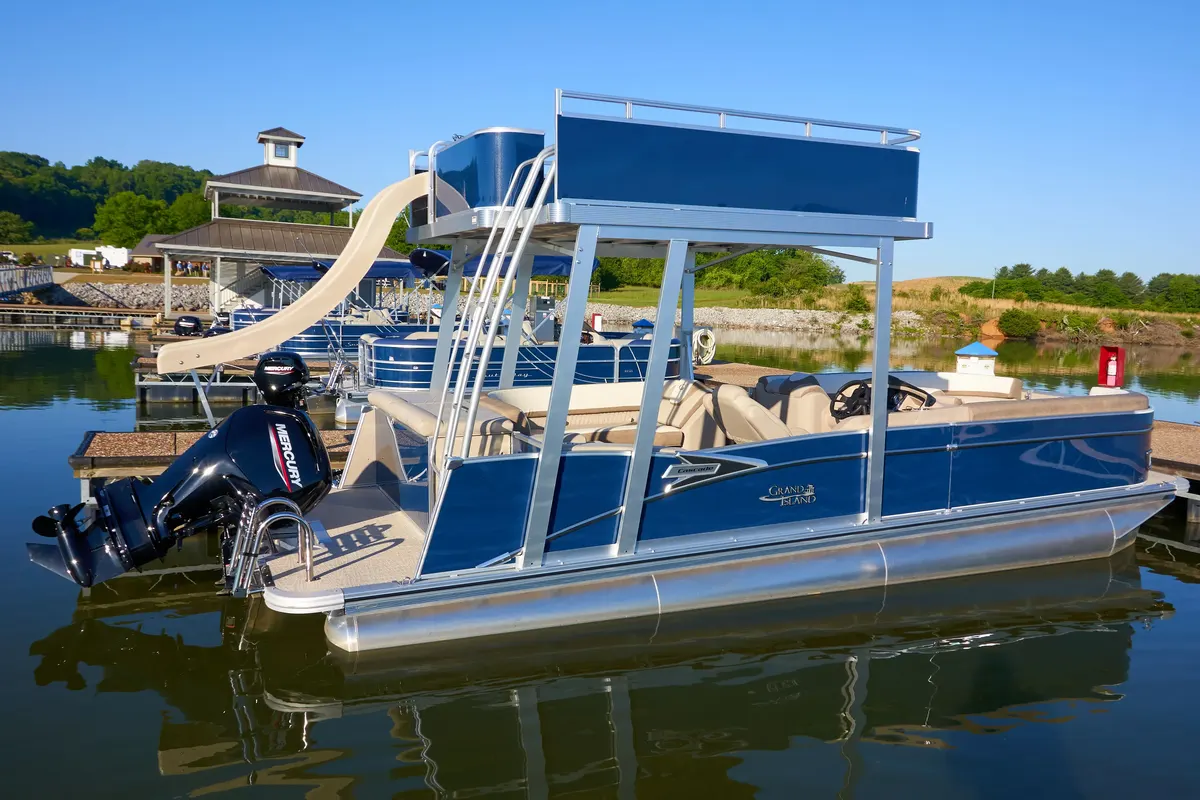
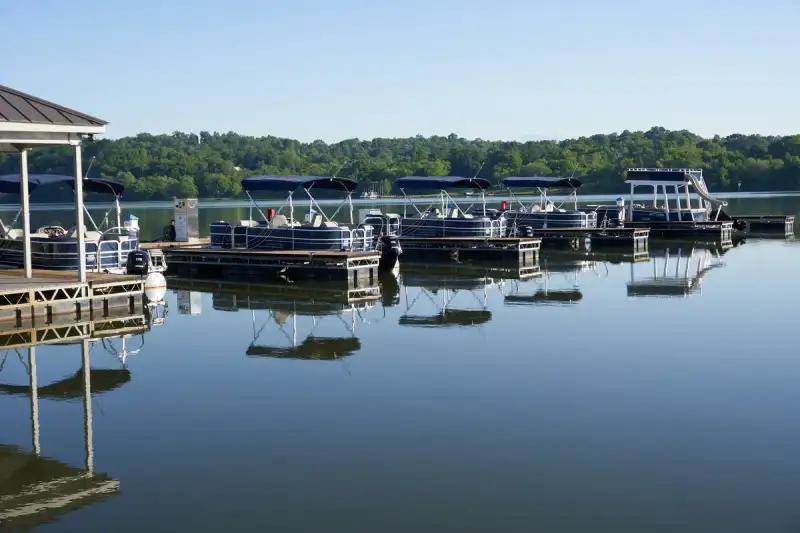
Marinas serve not only boaters but also photographers and sightseers. Elevated docks and walkways provide unobstructed water views and reflections close to the shoreline. Urban riverfront promenades combine civic design with natural panoramas, making them convenient for short visits and sunset watching.
Subtle Trailheads and Remote Pull-Offs
Some of the most intimate waterfront scenes occur along smaller trailheads and roadside pull-offs. These spots can require a modest walk but often reward with dramatic angles and solitude. When visiting remote sites, plan for basic safety: carry water, wear appropriate footwear, and be prepared for limited cell service.
Photography and Viewing Tips for Waterfront Scenes
Capturing the essence of a Tennessee waterfront requires attention to light, composition, and movement. Whether the intent is to take photographs, sketch, or simply savor the view, a few practical techniques enhance the experience.
Compositional Elements to Consider
Foreground interest—rock outcrops, vegetation, docks—helps create depth. Use leading lines like river bends, shoreline curves, and boardwalks to draw the eye toward the main scene. Reflections are often strongest in calm conditions and near sunrise or sunset; plan positions that frame mirrored trees or sky.
Gear and Settings for Varied Conditions
A polarizing filter reduces glare and boosts color saturation, especially on sunny days. A tripod is useful for low-light sunrise and sunset shots and for long exposures that smooth wave movement. For wildlife, a telephoto lens helps capture distant subjects without disturbance.
Safety and Respect for the Environment
Stay on established trails and piers to avoid trampling shoreline vegetation. Observe posted rules about fishing, boating, and restricted natural areas. When photographing wildlife, maintain a respectful distance and avoid behaviors that might displace nesting birds or other sensitive species.
Activities That Complement the View: Ways to Experience the Waterfront
Waterfront viewing pairs well with activities that deepen the connection to place. From paddling to sunset cruises, each activity offers a different relationship to the water, both physically and visually.
Paddling and Small-Boat Exploration
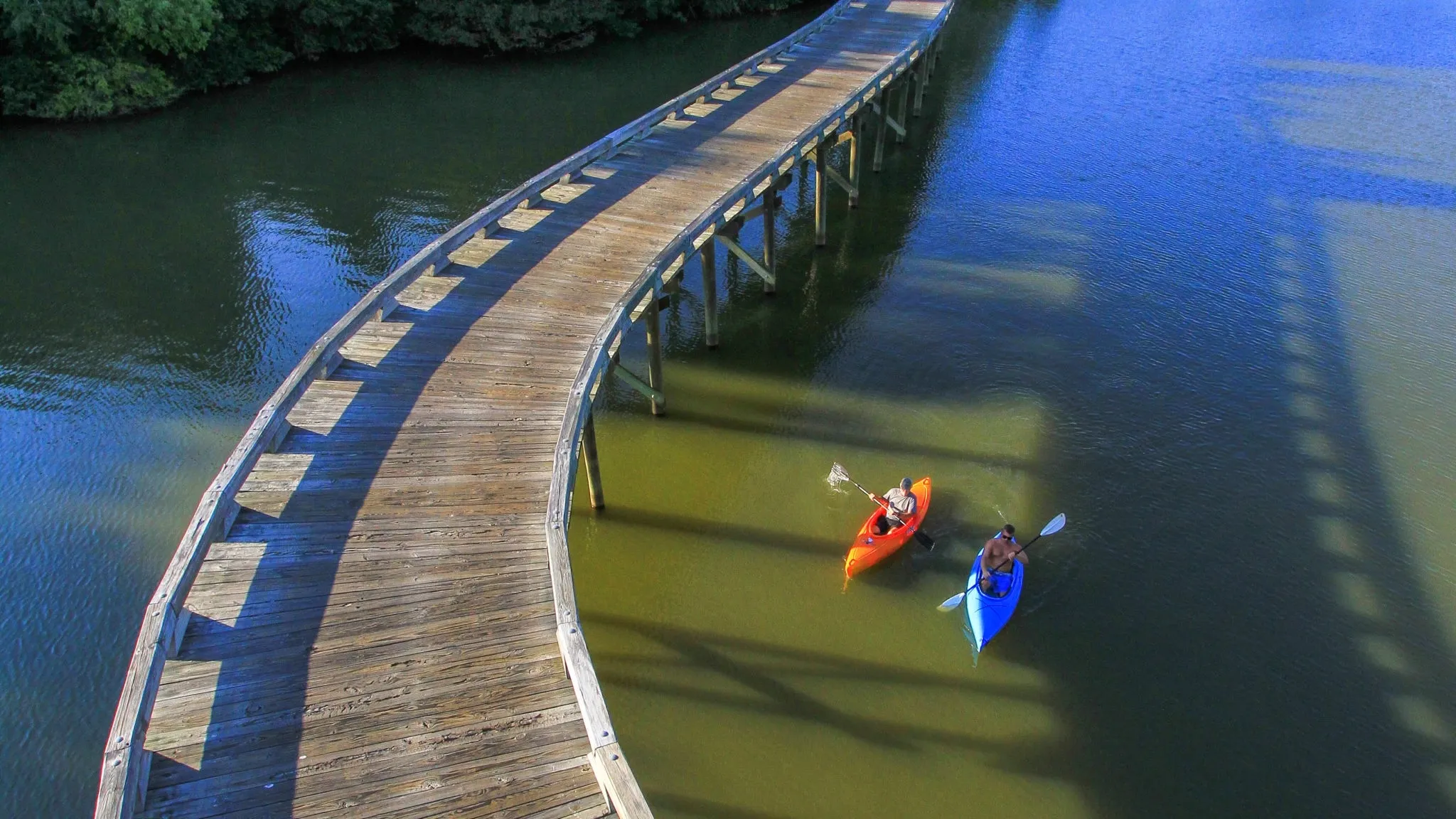
Kayaks and canoes bring a quiet, low-angle perspective, allowing entry into coves and channels inaccessible to larger boats. Paddling early in the morning often yields glassy water and abundant wildlife sightings. Rental services at larger lakes provide equipment and safety briefings for those without gear.
Guided Tours and Seasonal Cruises
Guided boat tours and seasonal dinner cruises combine narrative and vantage points, providing local context alongside scenic views. These tours can highlight historical sites, wildlife hotspots, and engineering features like dam forebays and lock systems.
Hiking and Shoreline Strolls
Shoreline trails range from short, accessible paths to extended backcountry routes. A gentle stroll permits frequent stopping points and changing compositions, while longer hikes offer multiple viewing elevations and changing ecological zones.
Practical Considerations: Planning a Waterfront Outing
Practical matters make the difference between a frustrating trip and a memorable day. Consider parking, fees, real-time conditions, and amenities before setting out.
Permits, Fees, and Hours of Operation
Many parks and marinas charge modest entrance or parking fees. Some sensitive areas restrict access seasonally for wildlife protection. Check state park websites and local ranger stations for updated information on closures and permit requirements.
Weather and Water Conditions
River and lake levels can change quickly with rainfall or dam releases. Monitor local forecasts and river gauges if available, particularly for paddling or low-lying shoreline access. Wind can transform a calm scene into choppy water, so plan excursions with wind patterns in mind.
Amenities and Accessibility
Some overlooks and promenades offer restrooms, picnic shelters, and accessible walkways. For visitors with limited mobility, look for ADA-designated viewing platforms and paved routes that provide panoramic access without strenuous walking.
Conclusion: Making the Most of Tennessee’s Waterfront Views
Tennessee’s waterfronts reveal a layered landscape where geology, history, and ecology converge. Each river bend and lakeside overlook tells part of that story, whether through the architecture of an urban promenade or the quiet geometry of a cypress swamp. Planning with seasonal and safety considerations in mind maximizes the quality of the visit.
Choose a vantage point that fits the desired pace—whether an easy sunset stroll along a city riverwalk or a deliberate paddle into a remote cove—and allow time to witness changing light. Waterfronts are dynamic; revisiting the same place in different weather or seasons often yields new discoveries and renewed appreciation.
Discover Waterfront Living at Tennessee National
Immerse yourself in the scenic beauty and tranquility of Tennessee’s waterfronts every day at Tennessee National. Our luxury gated community offers exclusive access to a Greg Norman Signature Golf Course, a private marina, waterfront dining, and over 20 member amenities—all set within Tennessee’s stunning natural landscapes. Whether you’re seeking a move-in ready home or a custom build, Tennessee National provides the perfect backdrop for resort-style living and memorable waterfront experiences. [