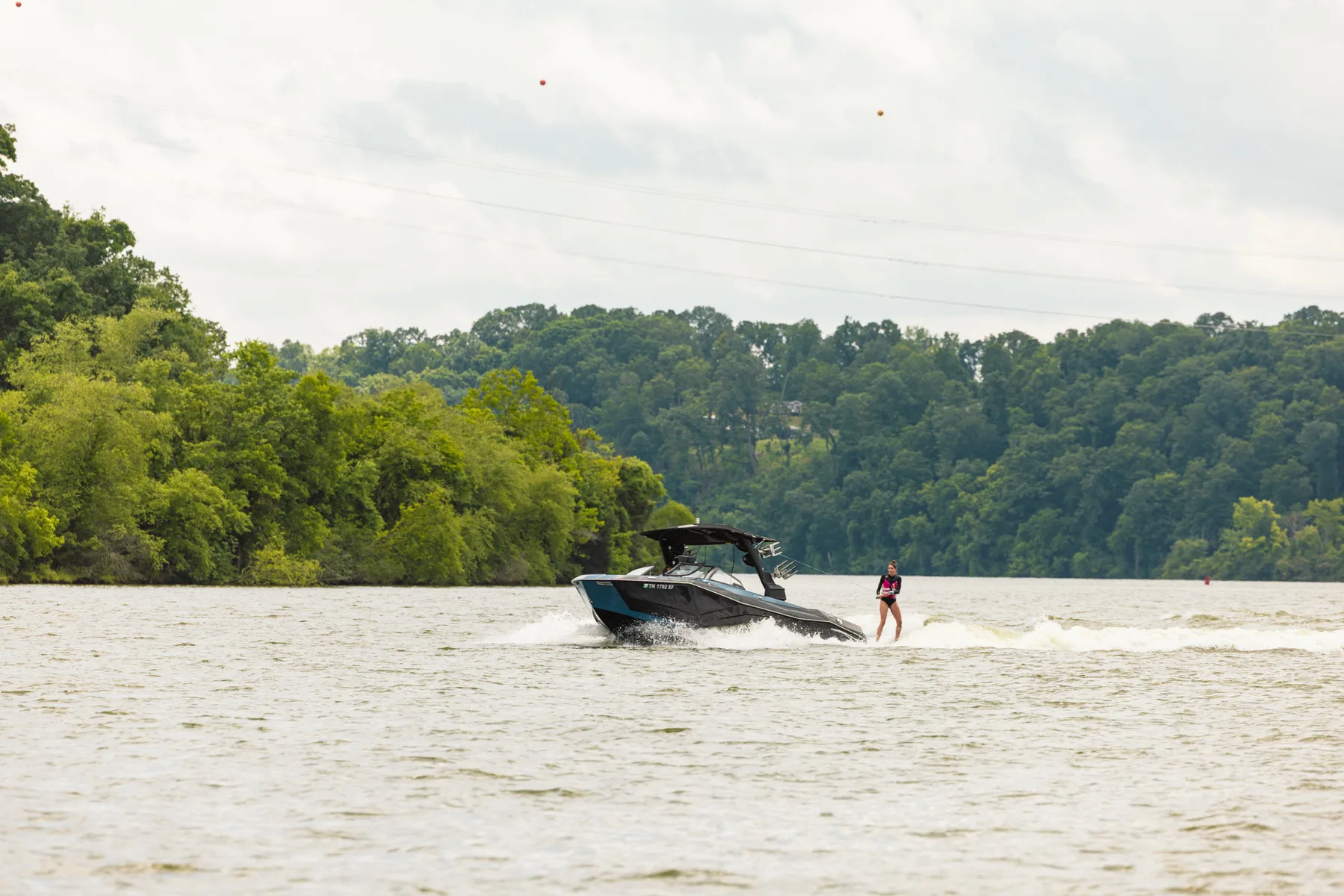
Choosing waterfront real estate is as much about lifestyle as it is about investment. Tennessee National, with its lakes, rivers and planned communities, offers residents a blend of nature, recreation and Southern charm. This guide explores neighborhoods, market trends, buying tips, and the practicalities of owning waterfront property in Tennessee National so an informed decision can be made with confidence.
Why Waterfront Property in Tennessee National?
Tennessee National stands out because of its varied waterfronts—quiet coves, wide lakefront expanses, and riverside settings that offer both privacy and community amenities. Waterfront homes tend to hold their value better than comparable non-waterfront properties, driven by limited shoreline supply and consistent buyer demand. For those who prioritize views, boating access, and a connection to nature, Tennessee National delivers.
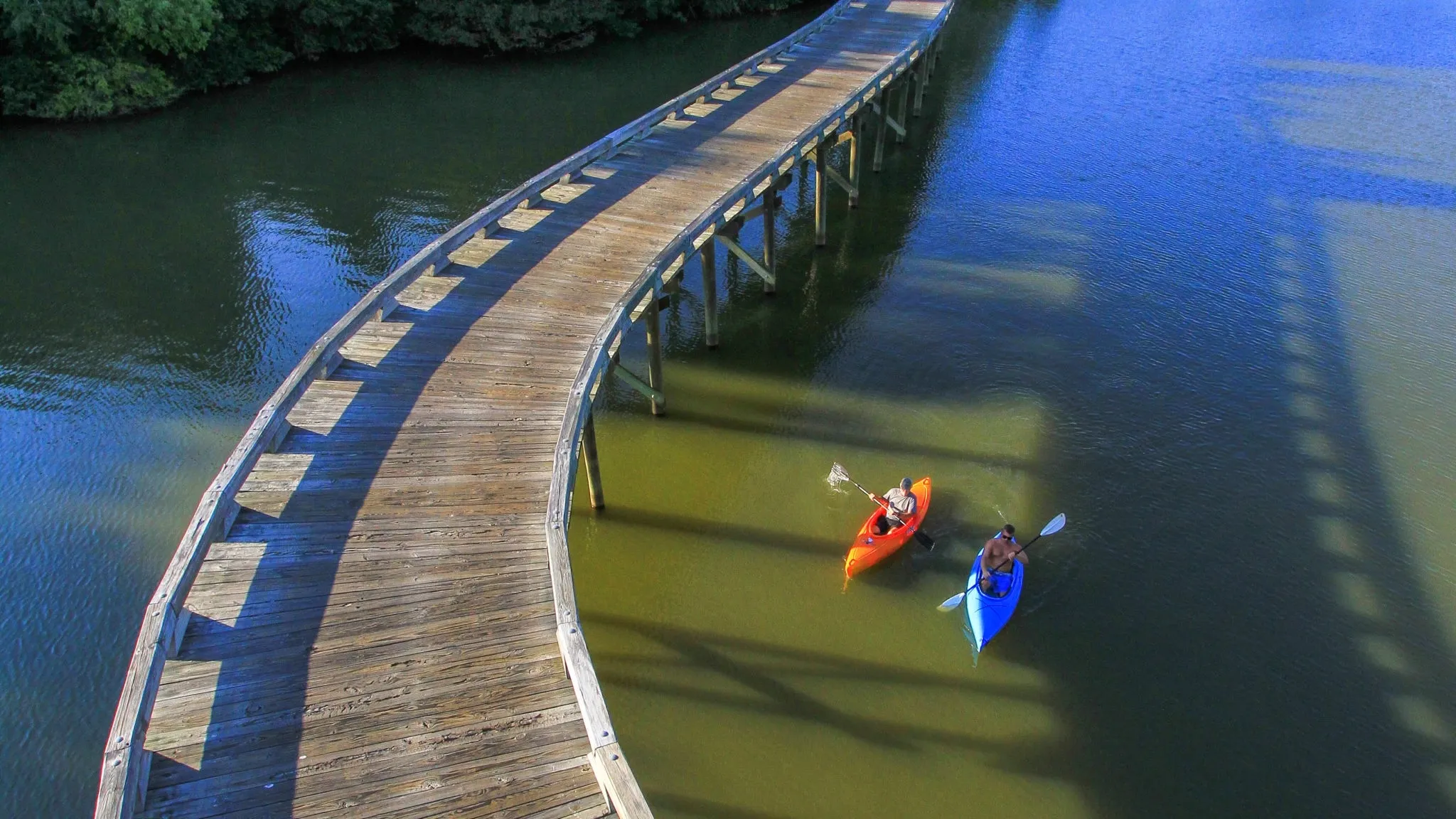
Beyond financial considerations, the lifestyle element is significant. Morning routines that start with a sunrise over water, afternoons spent on the dock, and evenings with gentle breezes create an everyday experience that is difficult to replicate in non-waterfront neighborhoods. Outdoor recreation is built into community life, with opportunities for kayaking, fishing, paddleboarding, and lakeside hiking available close to many residences.
Types of Waterfront Properties Available
Waterfront offerings range from modest cottages tucked into tree-lined coves to larger estate homes with private docks and long shoreline frontage. Condominiums and townhomes with shared marina access appear in more developed parts of Tennessee National, appealing to buyers seeking less maintenance responsibility while retaining water access.
Riverfront properties often provide a calmer, more natural setting compared to busy lakeshores and can attract buyers who prefer solitude and wildlife. Lakefront homes, on the other hand, frequently offer more recreational boating options and established marina services. Each type comes with different considerations regarding access, wave action, and shoreline management.
Luxury Estates and Private Docks
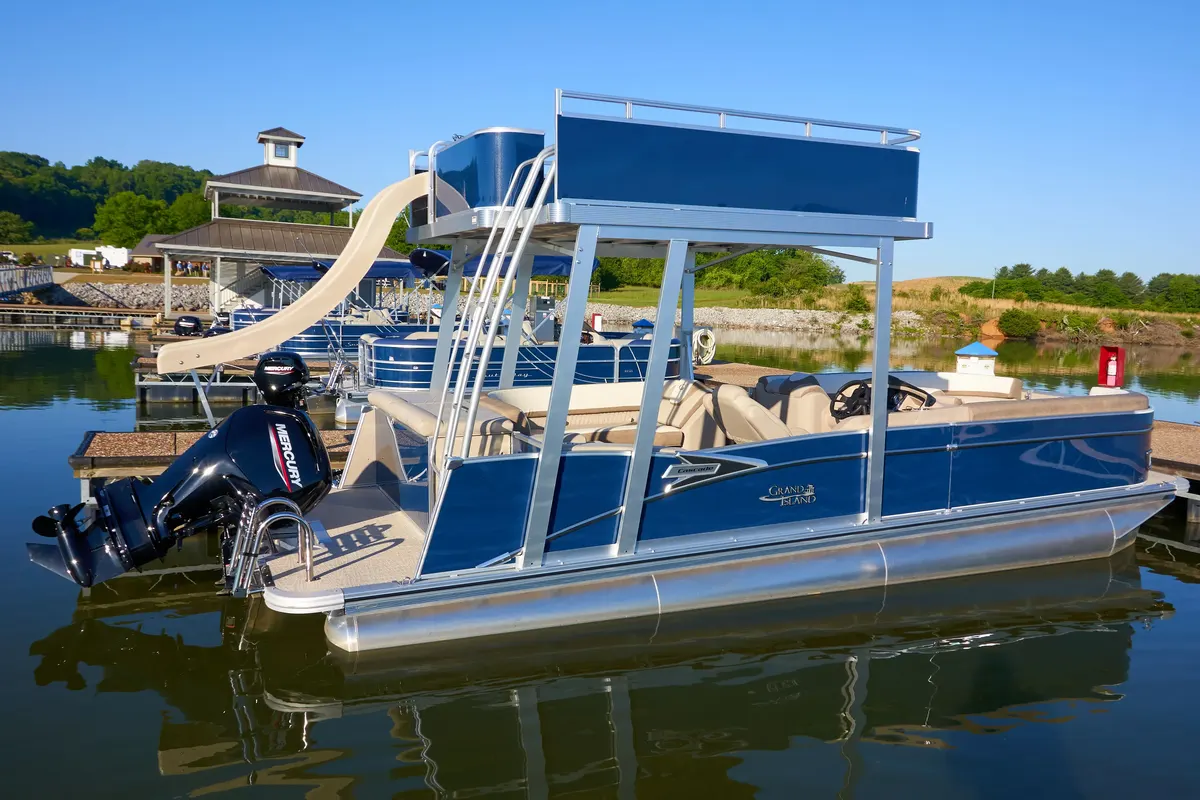
High-end estates typically feature extensive shoreline, private boat houses or lifts, and custom landscaping designed to maximize both privacy and water views. These properties may be located within gated communities with additional amenities like golf courses, fitness centers, and concierge-style services that enhance the luxury lifestyle.
Cottages, Cabins, and Renovation Opportunities
Smaller homes or older cottages along the water are often sought after by buyers looking for a weekend retreat or a renovation project. These properties can offer excellent value, especially when the lot itself has desirable water exposure. Renovation can unlock significant equity, but costs and environmental restrictions should be assessed before purchase.
Neighborhoods and Communities to Know
Tennessee National features a mix of established lakeside neighborhoods and newer planned developments. Each community has a distinct identity—some oriented around family activities and schools, others focused on low-maintenance living or active adult lifestyles. Researching HOA rules, community facilities, and any shared waterfront maintenance responsibilities is an essential early step.
Proximity to services, highways, and regional hubs affects both convenience and resale appeal. Properties closer to town centers usually convert to higher prices but also offer easier year-round living. Conversely, remote waterfront parcels provide seclusion but may require longer drives for groceries, healthcare, or schools.
Family-Friendly Waterfront Communities
Family-oriented neighborhoods often include playgrounds, walking trails, and community event calendars. Access to good schools and safe, protected water areas for children are common selling points. These communities may also host seasonal activities like fishing derbies or lakeside festivals that foster neighborly bonds.
Active Adult and Low-Maintenance Options
Active adult communities within Tennessee National typically offer condos or villas with landscaping and exterior maintenance handled by the HOA. These developments provide easier living while preserving access to lakes and community docks, appealing to retirees or buyers seeking a lock-and-leave lifestyle.
Market Trends and Investment Considerations
Waterfront prices in Tennessee National are influenced by broader economic trends, interest rates, and local supply constraints. Limited shoreline parcels mean that quality waterfront homes often retain value and can appreciate at a steadier pace than other property types. However, market cycles do affect buyer demand and timing should be considered in any investment strategy.
Rental potential is another factor. Many waterfront homes perform well as short-term vacation rentals in peak seasons, generating supplemental income. Zoning, HOA rules, and local rental regulations must be checked before counting on rental revenue. A balanced analysis includes potential rental income, seasonal demand, and maintenance costs associated with high-traffic occupancy.
Insurance and Maintenance Costs
Insurance premiums for waterfront properties can be higher due to risks like flooding and storm damage. Flood insurance may be mandatory in certain floodplain-designated areas, and home insurance policies might exclude some water-related claims. Budgeting for routine maintenance—dock repairs, shoreline stabilization, and erosion control—is essential because waterfront upkeep has unique recurring costs.
Financing Waterfront Purchases
Lenders may have stricter underwriting standards for waterfront loans, especially for properties on private wells or septic systems. Appraisals must often factor in comparable sales, which can be challenging if waterfront comps are scarce. Working with mortgage professionals experienced in waterfront lending can streamline the process and identify loan products tailored to these properties.
Environmental and Regulatory Factors
Owning waterfront property carries responsibilities related to environmental stewardship and compliance with local regulations. Shoreline protections, wetlands restrictions, and permits for docks or seawalls can affect what improvements are permitted. Early engagement with local planning or environmental agencies helps prevent surprises during renovation or construction projects.
Conservation easements and protected zones can limit development but also preserve the natural character of the area—often a key reason buyers seek waterfront living. Understanding these trade-offs, and how they influence both lifestyle and resale value, is part of making an informed purchase.
Shoreline Management and Erosion
Shoreline erosion is a common issue that can reduce usable land and affect dock placement. Solutions range from natural stabilization with native plantings to engineered retaining walls. Each approach carries different costs, aesthetic outcomes, and environmental impacts, and may require permits from local authorities.
Wildlife, Habitat, and Water Quality
Healthy aquatic ecosystems are central to the waterfront experience. Water quality can affect recreation, fishing, and property desirability. Runoff control, septic system maintenance, and thoughtful landscaping help protect overall watershed health. Many neighborhoods participate in community cleanups or adopt best management practices to preserve the local habitat.
Practical Tips for Buyers
Inspect the dock and shoreline carefully—these elements are often expensive to repair and can reveal long-term maintenance needs. A professional dock inspection and shoreline assessment should be part of the due diligence process. Understanding the orientation of the property relative to prevailing winds and sun can also influence daily comfort and enjoyment.
Access considerations matter: private road maintenance, snow removal in winter, and distance to emergency services can affect livability. For lake properties, check boat access rules, no-wake zones, and marina availability. For river properties, consider seasonal water-level changes and navigability. Clear answers to these practical questions help avoid surprises after closing.
Performing Thorough Inspections
Beyond the typical home inspection, add inspections focused on septic systems, wells, erosion risks, and any waterfront structures. These assessments provide a clearer picture of short-term repair needs and long-term liabilities. A contingency plan for potential remediation costs is wise when negotiating the purchase.
Negotiation and Timing
Waterfront properties can be sought-after, but motivated sellers and seasonal market swings open windows for negotiation. Working with a real estate professional experienced in waterfront transactions helps identify realistic offer strategies and timelines. Contingencies for inspections and financing protect buyers in uncertain conditions.
Living the Waterfront Life
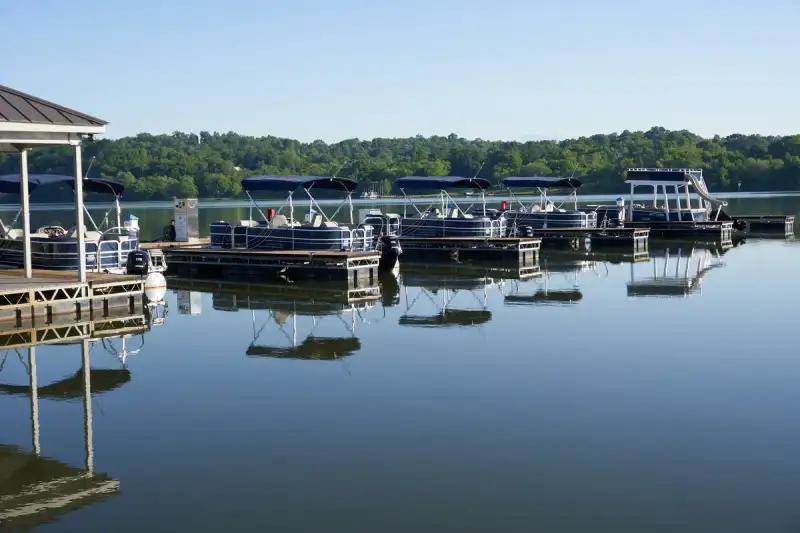
Owning a waterfront home in Tennessee National unlocks a pace of life centered on outdoor activities, social gatherings on the water, and a strong sense of place. Community events, local marinas, and shared public areas often create a welcoming environment for neighbors and visitors alike. The convenience of lakeside living combined with the scenic backdrop contributes to long-term satisfaction for many homeowners.
While waterfront ownership brings rewards, it also requires a commitment to stewardship—maintaining docks, respecting wildlife, and participating in community efforts to preserve water quality. When managed responsibly, waterfront living in Tennessee National provides both daily enjoyment and long-term value.
Next Steps for Interested Buyers
Identify priorities: dock needs, preferred water type (lake vs. river), community amenities, and proximity to services. Conduct research on zoning, HOA rules, and environmental restrictions early in the search. Securing pre-approval for financing and lining up specialized inspections will strengthen offers and reduce closing delays.
Engage professionals familiar with waterfront transactions—real estate agents, marine contractors, and environmental consultants. Their expertise can save time and money and ensure that expectations align with reality. With careful planning and a clear understanding of responsibilities, waterfront ownership in Tennessee National can be a rewarding long-term choice.
Checklist Before Making an Offer
Confirm flood zone and insurance requirements; obtain professional dock and shoreline inspections; review HOA covenants and community rules; evaluate access and emergency services; assess renovation and maintenance cost estimates; and verify rental rules if considering short-term leases.
The Long View
Waterfront properties tend to be both emotional purchases and financial investments. Evaluating long-term plans—whether to use the home as a full-time residence, vacation retreat, or rental—helps define the right property type and financing approach. Thoughtful due diligence and realistic budgeting make the path from interest to ownership smoother and more predictable.
For those drawn to serene mornings on the water, the sound of loons at dusk, or the simple pleasure of dipping a hand into a quiet cove, Tennessee National waterfront properties offer a distinctive lifestyle. Combining natural beauty, community amenities, and strong demand for shoreline access, this region represents a compelling choice for buyers seeking both enjoyment and enduring value.
Discover Your Waterfront Dream at Tennessee National
Ready to embrace the ultimate waterfront lifestyle in a premier gated community? Tennessee National combines luxury living with scenic natural beauty, featuring access to a Greg Norman Signature Golf Course, private marina, waterfront dining, and over 20 member amenities. Whether you seek a move-in ready home or a custom build, our diverse living options are designed to fit your needs. Experience resort-style living with nature trails, social clubs, and exclusive events. [