Choosing a retirement home with waterfront views is about more than scenery. It blends lifestyle, health, practical needs, and finances into a single decision that shapes daily life for years to come. The right seaside residence can bring natural beauty, fresh air, and a sense of calm — but it also demands clarity about safety, accessibility, maintenance, and community services.
Why Waterfront Views Matter for Retirement Living
Waterfront views offer psychological and physical benefits that are particularly valuable in later life. Scenic vistas and proximity to water are linked to reduced stress, better sleep, and increased opportunities for gentle physical activity like walking along a promenade or light gardening on a balcony. These advantages can complement medical care and social programs provided by retirement communities.
Beyond health, living by the water often reshapes daily routines in positive ways. Sunrises, tides, and seasonal changes provide natural rhythms to the day. For many residents, simple pleasures — watching birds, seeing boats glide by, or listening to waves — become meaningful rituals that enhance quality of life.
In addition to these everyday benefits, waterfront locations often foster a stronger sense of community among residents. Shared spaces such as piers, boardwalks, and communal gardens encourage social interactions and group activities like fishing clubs, yoga by the shore, or nature walks. These social connections are crucial for maintaining mental health and combating feelings of isolation common in retirement.
Moreover, the unique environmental qualities of waterfront settings, such as fresher air and cooler breezes, contribute to overall well-being. Many retirement communities take advantage of these features by designing outdoor areas that maximize exposure to natural light and views, integrating seamless indoor-outdoor living spaces that help residents feel more engaged with their surroundings every day.
Types of Seaside Residences: Matching Lifestyle and Care Needs
Seaside retirement options range from independent-living apartments with sweeping views to assisted living facilities that prioritize proximity to care. Understanding the different types helps narrow choices and align them with both current needs and future possibilities.
Independent Living by the Water
Independent living communities cater to active retirees who want minimal household chores, social activities, and often, access to on-site amenities like dining venues, fitness classes, and organized outings. Waterfront versions emphasize aesthetics and outdoor spaces, offering terraces, walking paths, and communal gardens.
Many of these communities integrate technology-enhanced safety features such as emergency call systems and smart home devices to offer comfort and security without intruding on independence. The location near the water also encourages a healthy, outdoor lifestyle, enabling residents to enjoy activities like birdwatching, fishing, or simply relaxing with the soothing sounds of waves and sea breezes.
Assisted Living and Memory Care Near the Shore
Assisted living facilities provide personal care support — medication management, help with bathing or dressing, and safety monitoring — while maintaining a residential feel. Memory care units specialize in dementia care, using secured outdoor areas and structured routines. Choosing a seaside assisted living option requires careful attention to safety features that balance scenic value with supervised access to outdoor spaces.
These facilities often incorporate therapeutic elements drawn from the coastal setting, such as sensory gardens designed to stimulate memories and reduce agitation in residents with cognitive challenges. Staff are usually trained not only in clinical caregiving but also in creating meaningful, personalized engagement that leverages the calming environment to improve quality of life.
Continuing Care Retirement Communities (CCRCs)
CCRCs offer a continuum of care from independent living through skilled nursing on the same campus, allowing residents to remain in a familiar environment as needs change. A waterfront CCRC may combine scenic apartments with staffed health services, which is ideal for couples with differing care requirements or individuals valuing long-term stability.
Such communities emphasize holistic wellness, often featuring comprehensive recreational programs that include water-based activities, wellness centers with spa services, and educational workshops. The seamless transition between care levels also helps minimize disruption and supports emotional well-being, making CCRCs especially appealing for retirees seeking both security and a vibrant social atmosphere along the coast.
Location Considerations: Climate, Accessibility, and Local Amenities
Location shapes everyday life beyond the view. Climate influences outdoor living ability, so temperate coastal areas might allow year-round enjoyment while harsher climates demand different design considerations for insulation and storm preparedness.
Accessibility to medical centers, shopping, and family transportation options should weigh heavily in the decision. A beautiful seaside town without nearby hospitals or specialty care can become isolating or impractical if health needs escalate.
Transportation and Proximity to Healthcare
Reliable transportation services — shuttle buses, local transit, or close airport connections — keep residents engaged with friends and family. Accessibility to hospitals and clinics is critical; response times and available specialties can be life-changing in urgent situations.
Local Culture and Community Life
Small coastal towns often have close-knit communities, farmers’ markets, and volunteer opportunities, while larger seaside cities may offer theaters, galleries, and specialized medical care. Consider which cultural amenities support personal interests and ease social integration.
Safety and Environmental Risks: Storms, Flooding, and Maintenance
Waterfront living carries unique risks that demand proactive evaluation. Flood zones, storm surge potential, and long-term sea-level trends should influence both site choice and building preparedness. Properly designed structures and insurance coverage mitigate many of these concerns.
Building Resilience and Emergency Planning
Look for buildings constructed with flood-resistant materials, elevated utilities, and integrated emergency plans. Onsite staff trained in evacuation procedures and coordinated with local emergency services enhances safety and peace of mind.
Insurance and Ongoing Maintenance
Insurance premiums for waterfront properties can be higher. Review policies carefully to understand wind, flood, and hurricane coverage. Regular maintenance for salt-air corrosion, waterproofing, and landscaping adds to ownership costs but protects long-term value.
Amenities and Services That Enhance Seaside Retirement
A well-chosen retirement community balances view-oriented perks with practical services. Look beyond terraces and patios to the offerings that support daily comfort, social engagement, and health.
Health and Wellness Facilities
Onsite fitness centers, physical therapy, and wellness programming help residents stay active and healthy. Water-based exercise classes and supervised walking groups leverage the waterfront while reducing joint strain and promoting social interaction.
Dining Options and Social Spaces
Quality dining services and flexible meal plans contribute to nutrition and convenience. Shared living rooms, libraries, and hobby studios cultivate a sense of belonging and make it easier to forge new friendships.
Outdoor Spaces and Accessibility
Safe, well-maintained promenades, accessible beaches, and protected viewing areas allow enjoyment of the outdoors without exposing residents to undue risk. Ramps, non-slip surfaces, and thoughtfully placed seating make the waterfront inviting for people with mobility limitations.
Costs, Contracts, and Financial Planning
Financial clarity is essential when choosing a seaside retirement home. Waterfront locations can command premiums for location and views, and pricing structures vary widely: rental models, buy-ins, monthly fees, and care-level surcharges must all be examined.
Understanding Fee Structures
Fee models include all-inclusive monthly plans, tiered fees based on care, and entrance fees for CCRCs that offer future care. Scrutinize what services are included, what triggers additional charges, and the policies on fee increases over time.
Resale Value and Exit Strategies
Consider resale potential and contract terms governing buybacks or refund policies. The real estate market for retirement communities is different from typical housing markets, so understand restrictions and the administrative timelines involved in selling or transferring residency.
Visiting Tips: How to Evaluate a Waterfront Retirement Community
Site visits are crucial. A single tour can reveal details that brochures and websites do not: noise levels, smell of salt, path conditions, staff demeanor, and the actual view from units at different times of day.
What to Observe During a Visit
Pay attention to how residents interact with staff, the cleanliness of common areas, and whether advertised amenities are actively used. Check accessibility routes to outdoor areas and ask to tour sample units with different orientations to compare light, shade, and sound.
Questions to Ask Administrators and Residents
Key questions include staffing ratios, emergency procedures, staff turnover, unit maintenance response times, and policies on visitors and pets. Speaking with current residents provides candid insights about daily life and any recurring issues.
Design Features That Maximize Waterfront Living
Thoughtful architectural choices enhance the waterfront experience while addressing climate and safety concerns. Prioritize natural light, protected outdoor spaces, and building materials suited to coastal environments.
Balconies, Windows, and Soundproofing
Floor-to-ceiling windows and private balconies amplify views, but require shading and glazing that reduce glare and heat gain. Soundproofing mitigates coastal wind noise and helps sustain restful indoor environments.
Landscape Design and Wildlife Considerations
Native plantings reduce maintenance and attract local birds and butterflies, creating a sense of place without high upkeep. Landscaping should also manage stormwater and minimize erosion to protect common areas and private terraces.
A Checklist for Making the Final Decision
Use a checklist to compare top choices objectively. Balance emotional appeal with practical criteria to ensure the residence supports long-term well-being.
Checklist items to consider include: proximity to medical care, emergency response plans, staffing levels, range of on-site services, accessibility features, insurance requirements, contract terms, maintenance responsibilities, and opportunities for social engagement.
Conclusion: Balancing Beauty with Practical Needs
Waterfront retirement living can offer serenity, improved health outcomes, and a renewed sense of daily purpose. Selecting the best seaside residence requires a balance of aesthetic preferences and pragmatic evaluation: safety, accessibility, care options, and financial transparency. By touring properties, asking the right questions, and planning for future needs, the ideal coastal setting can become a secure and joyful place to spend retirement years.
Ultimately, the best choice is a residence that not only provides delightful views but also fosters independence, offers trustworthy care, and integrates with personal values and routines. With careful research and thoughtful visits, a seaside retirement home can combine the restorative power of water with dependable services and a supportive community.
Discover Your Ideal Waterfront Retirement at Tennessee National
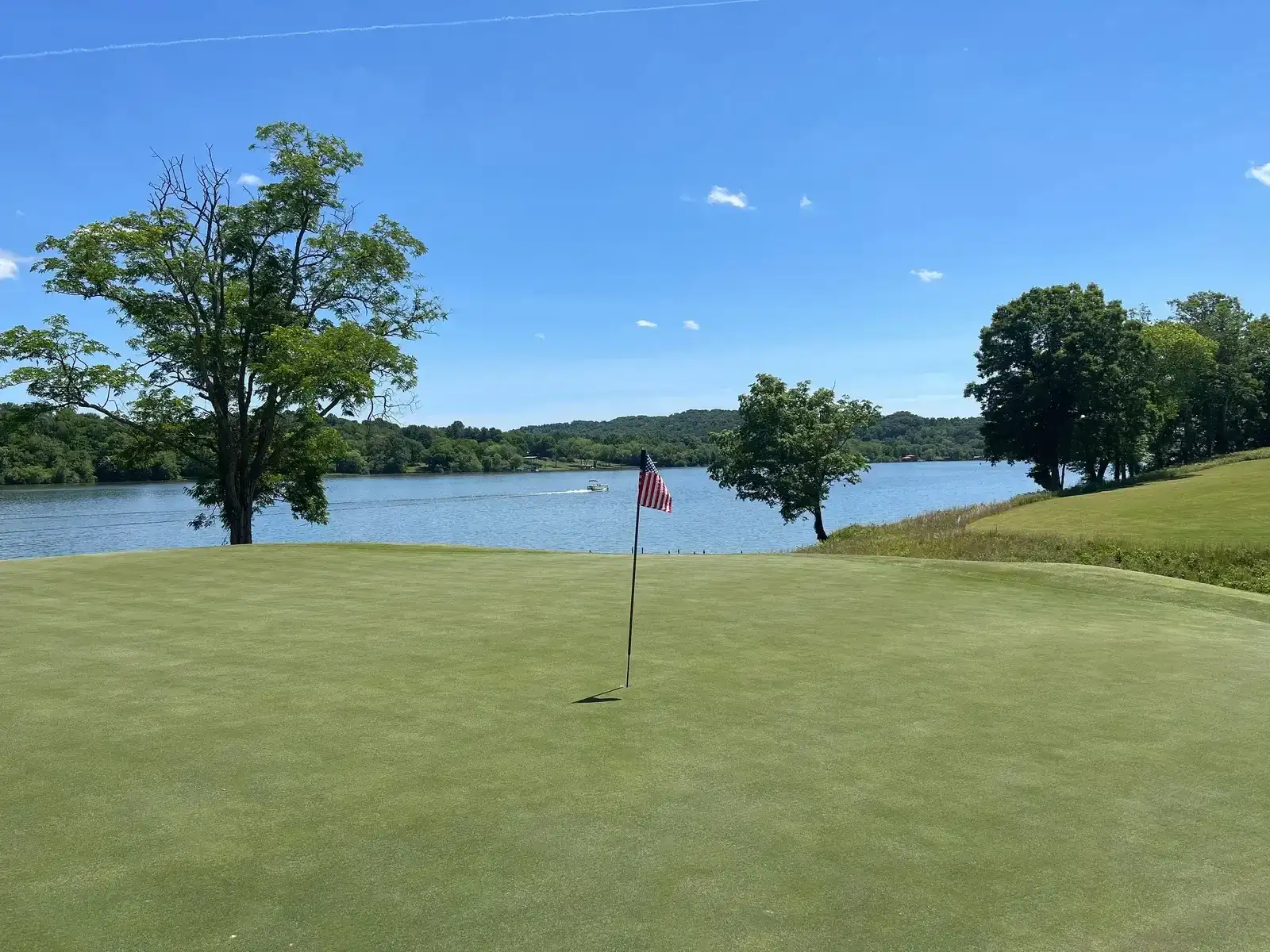
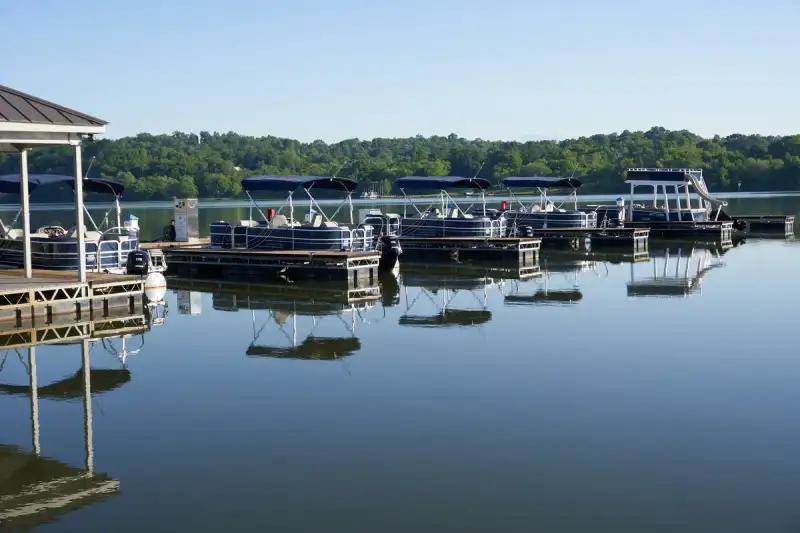
Embrace the perfect blend of serene waterfront living and exceptional amenities at Tennessee National. Set amidst Tennessee’s stunning landscapes, our premier gated community offers luxurious homes, a Greg Norman Signature Golf Course, private marina, and waterfront dining—all designed to elevate your retirement lifestyle. Whether you prefer a move-in ready residence or a custom build, Tennessee National provides a vibrant, resort-style environment with scenic trails, social clubs, and exclusive events. [