
Choosing a retirement home next to a lake blends practical considerations with a desire for peace, beauty, and meaningful daily life. The right lakeside community can offer more than a scenic view: it can provide safety, companionship, and opportunities for staying active. This article outlines how to evaluate options, what questions to ask, and which lifestyle and financial factors matter most so that the choice aligns with health needs, social preferences, and long-term plans.
Define Priorities Before Touring Communities
Begin by identifying non-negotiables versus nice-to-haves. Health needs should be at the top of the list: does the person require assisted living, memory care, or simply an independent-living environment with occasional support? Consider mobility, chronic conditions, medication management, and proximity to specialists. A realistic assessment helps narrow choices and prevents being swayed by charming lakeside aesthetics that don’t match care needs.
Lifestyle priorities often determine daily happiness. Is access to outdoor activities such as walking trails, fishing piers, or birdwatching important? Are cultural amenities, organized social events, and opportunities to volunteer or learn new skills desired? Listing preferences for privacy, pet policies, and dining options clarifies which communities will feel like home rather than a temporary stay.
Financial considerations are equally crucial when defining priorities. Understanding the cost structure, available payment plans, and what services are included or considered add-ons can avoid unexpected expenses later. Explore whether the community accepts long-term care insurance, veteran benefits, or other financial assistance programs. This financial clarity will help align expectations with real-world budgets.
Additionally, the community’s philosophy and culture should align with the resident’s values and personality. Some communities emphasize independence and active living, while others focus more on medical support and a slower-paced environment. Visiting online forums or speaking with current residents and families can provide valuable insight into community dynamics and leadership style, ensuring a comfortable and supportive fit.
Location and Accessibility
Location shapes both convenience and long-term value. A lakefront setting can offer cooler summers and restorative views but may also mean seasonal weather changes, potential flooding risks, and longer travel distances to hospitals or urban amenities. Evaluate road access, proximity to emergency services, and the availability of transportation options for family visits, medical appointments, and personal errands.
It’s also important to consider the local infrastructure, such as the quality of roads during winter and the availability of public transport or community shuttles. Some lakefront communities invest heavily in maintaining year-round accessibility with snow removal and well-lit paths, which can significantly improve safety and ease of travel. Additionally, analyze surrounding neighborhood characteristics, including noise levels, nearby commercial areas, and opportunities for social engagement to gauge how the location supports an active and fulfilling lifestyle.
Climate and Seasonal Considerations
Some lakes are surrounded by climates with harsh winters, ice, or summer humidity. Consider how seasonal changes affect comfort and mobility. For instance, icy walkways can increase fall risk while mosquito-heavy summers can make outdoor enjoyment less appealing. Ask how the community maintains outdoor spaces year-round and whether there are indoor alternatives for activities when weather is unfavorable.
Moreover, examine the type of landscaping and vegetation around the lakefront that might impact allergens or pests during different seasons. Certain plants can attract bees, wasps, or other insects that could present challenges for residents. Communities with dedicated seasonal maintenance programs often include pest control measures and regular inspections to ensure outdoor spaces remain safe and enjoyable throughout the year.
Local Healthcare and Emergency Response
Distance to hospitals, urgent care, and specialty clinics is a practical safety consideration. Confirm how quickly emergency services can reach the facility and whether the community has on-site staff trained for medical emergencies. In addition, check if there are partnerships with nearby medical centers for routine care, physical therapy, and hospice services to ensure seamless transitions when needs change.
Assess whether the facility uses advanced medical technology and communication systems, such as wearable emergency alert devices and telemedicine options, to enhance health monitoring and immediate response effectiveness. Understanding the level of medical support available during nights, weekends, and holidays is crucial, as timely access to care can significantly affect outcomes in emergencies. Also, inquire about the presence of specialized staff, like geriatric nurses or rehabilitation therapists, which can add an extra layer of comfort and security for residents with diverse healthcare needs.
Types of Care and Services Offered
Retirement communities vary widely in the levels of care provided. Independent living is best for active older adults who want maintenance-free living, while assisted living offers help with daily activities like bathing, dressing, and medication. Memory care provides specialized support for dementia and Alzheimer’s. Some communities are continuing care retirement communities (CCRCs) that offer a continuum of care from independent living to skilled nursing, which can be reassuring for long-term planning.
Detail matters: ask about staff-to-resident ratios, staff training, and availability of licensed nurses. Understand how care plans are developed and updated, and who coordinates with external healthcare providers. The presence of on-site physical therapy, occupational therapy, and wellness programs indicates a holistic approach to resident health that can prolong independence and quality of life.
Daily Life and Support Services
Beyond medical care, examine daily support offerings such as housekeeping, laundry, transportation, and dining. High-quality dining programs with varied menus and accommodations for dietary needs are often underrated contributors to life satisfaction. On-site amenities like fitness centers, libraries, craft rooms, and community gardens enrich daily routines and provide ways to socialize and stay engaged.
Financial Considerations and Contracts
Understanding costs and contract terms prevents unwelcome surprises. Entry fees, monthly fees, and fee-for-service charges must be explained in writing. Ask how rates change over time and what triggers additional charges, such as increased care needs or inflation adjustments. For CCRCs, clarify the financial models—whether they are life-care, modified, or fee-for-service—and how those choices affect long-term cost stability.
Review refund policies and what happens to deposits or entrance fees if a resident moves or passes away. Request a copy of the contract far enough in advance to review with a trusted advisor or attorney experienced in eldercare agreements. Also, verify what is included versus optional: some communities bundle utilities and services, while others itemize them, which can make budgeting less predictable.
Financial Aid, Insurance, and Legal Protections
Investigate eligibility for government programs, veterans’ benefits, or long-term care insurance coverage. Some residents may qualify for Medicaid in certain care settings, but rules vary by state and can affect payment for assisted living versus skilled nursing. Confirm whether the community accepts such payments and how billing is handled during transitions between care levels.
Legal protections include transparent dispute resolution procedures and clear policies on eviction, transfers, and changes in care plans. Request documentation of licensing, accreditation, and any inspection reports. These sources reveal compliance with health and safety standards and can highlight patterns of concern before committing.
Community Culture and Social Fit
Culture determines day-to-day satisfaction. A lakeside retirement home might advertise scenic walking paths and evening socials, but the true atmosphere becomes apparent during visits. Observe interactions among staff and residents, the diversity of activities, and how new residents are welcomed. A community that encourages resident-led clubs, intergenerational programs, and volunteer opportunities tends to foster deeper connections and purpose.
Ask to attend a meal or an activity with permission. Notice noise levels, privacy arrangements, and how staff respond to requests. Talk with current residents and family members about what they value and what they would change. Real-life perspectives often reveal important considerations that brochures and tours do not convey.
Pets, Visitors, and Family Involvement
Pet policies matter for emotional well-being. Some communities welcome pets with size or breed restrictions, while others offer pet therapy or visiting animals. Visitor policies, including visiting hours and overnight guest rules, shape family involvement. Look for communities that facilitate regular family engagement through events, family councils, or transparent communication channels.
Safety, Maintenance, and Environment
Safety features should go beyond emergency call systems to include slip-resistant flooring, adequate handrails, well-lit pathways, and secure access points. Maintenance of buildings and grounds reflects an organization’s standards. A well-maintained lakeshore, clean common areas, and timely repairs correlate strongly with resident satisfaction and safety.
Environmental and Sustainability Considerations
Some communities take steps to protect the natural environment around the lake through shoreline maintenance, water quality monitoring, and sustainable landscaping. These practices preserve the setting that drew residents to the lake in the first place and can reduce long-term environmental risks like erosion or harmful runoff. Ask about the community’s approach to sustainability and how it partners with local authorities or environmental groups.
Making the Decision and Planning the Move
After narrowing options, create a short list and revisit top choices at different times of day to observe routines and staff interactions. Compare pros and cons in a spreadsheet that includes costs, services, location benefits, and cultural fit. If possible, arrange a trial stay to experience daily life firsthand. This concrete exposure can reveal small but important details—like the comfort of bedding, the noise at night, or how easy it is to get help—that influence long-term contentment.
Plan the move with attention to emotion and logistics. Downsizing possessions is a significant emotional process. Encourage gradual transitions, keep cherished items accessible, and arrange familiar furniture in the new living space. Coordinate with staff about move-in assistance, notifications to service providers, and medical record transfers to ensure continuity of care from day one.
Review and Reassess Regularly
Even after settling in, periodic reassessment of the living situation is prudent. Health needs can change unexpectedly, and community offerings or management may evolve. Maintain open communication with staff and family about care goals, and revisit contracts or care plans annually to ensure they still meet expectations. Ongoing vigilance helps maintain quality of life and avoids abrupt decisions under stressful conditions.
Final Thoughts: Balancing Dream and Practicality
Choosing a retirement home on the lake should balance the desire for beauty and relaxation with practical needs for safety, healthcare, and social connection. With careful questions, thorough visits, and transparent financial review, it is possible to find a community that supports both immediate enjoyment of the lakeside lifestyle and long-term wellbeing. Prioritizing clarity, culture fit, and medical readiness will make the transition smoother and the years ahead more fulfilling.
Discover Your Ideal Lakeside Retirement at Tennessee National
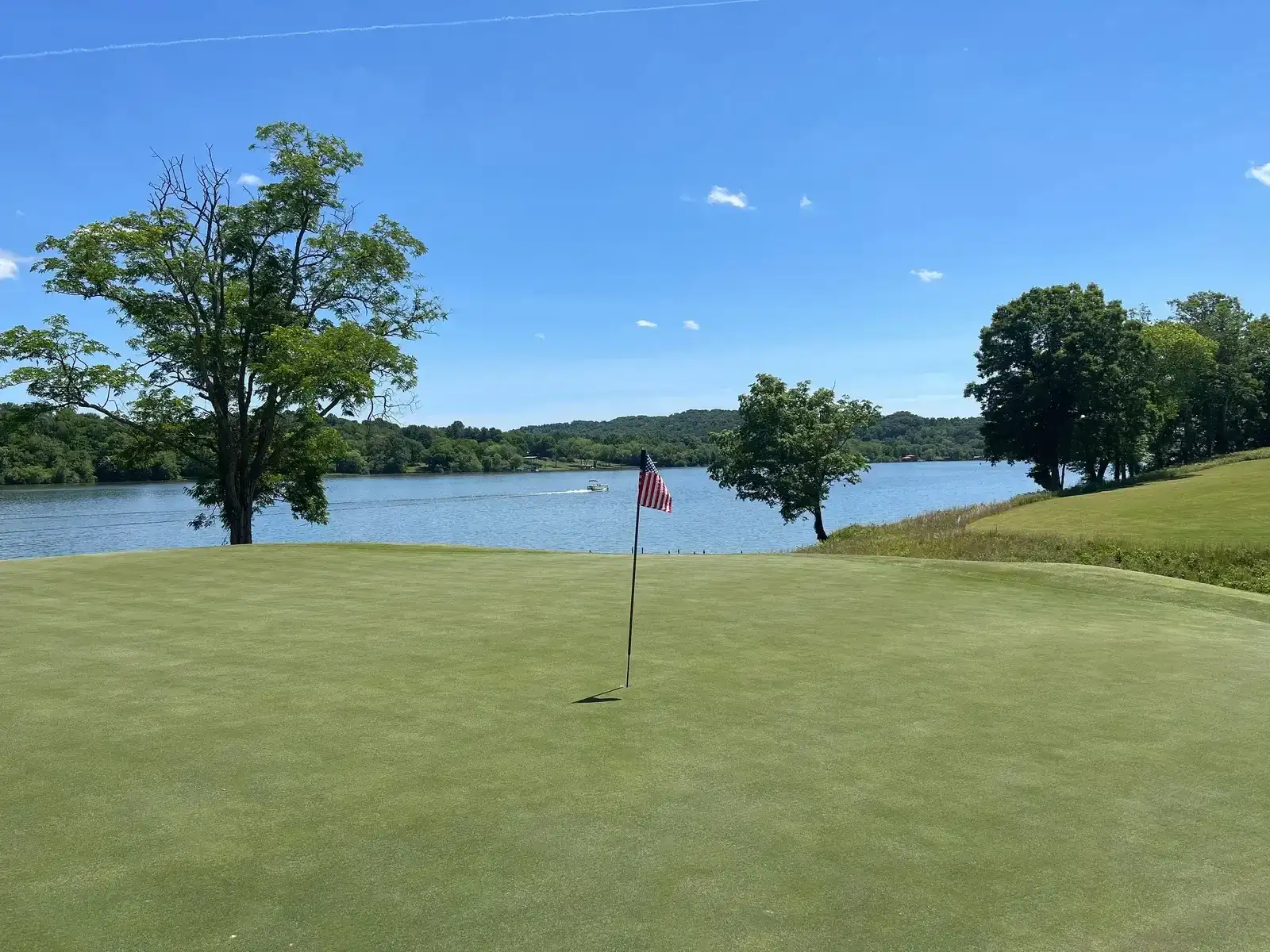
Ready to embrace a retirement lifestyle that perfectly blends scenic lakefront living with luxury and comfort? Tennessee National offers a premier gated community featuring a Greg Norman Signature Golf Course, private marina, waterfront dining, and over 20 exclusive amenities designed for your enjoyment and peace of mind. Whether you prefer a move-in ready home or a custom-built residence, our vibrant community supports active, fulfilling days by the water. [