A retirement lifestyle that centers on nature can offer calmer days, healthier routines, and deeper satisfaction. For those who prefer trails to traffic, bird songs to sirens, and gardens to high-rise views, choosing the right community is a critical decision. This guide explores some of the best types of nature-oriented retirement communities, provides practical planning tips, and outlines how to evaluate options so that the next chapter feels like a true connection to the outdoors.
Why Choose a Nature-Focused Retirement Community?
Natural surroundings have measurable benefits for physical and mental health. Access to green spaces encourages daily movement, reduces stress, and supports social interaction through shared outdoor activities. For retirees who enjoy gardening, birding, hiking, or simply watching sunrise colors, the setting can dramatically influence quality of life.
Beyond health, nature-focused communities often emphasize sustainable living, slower rhythms, and opportunities to participate in outdoor clubs or conservation projects. These environments foster a strong sense of place and belonging, which can be especially meaningful during retirement.
Types of Nature-Loving Retirement Communities
Not all communities that promote nature are the same. Options range from small co-housing groups to large master-planned developments located near national parks. Breaking them down by type helps match lifestyle preferences and budget.
Rural Retirement Villages
Rural villages offer quiet surroundings, often with farms, orchards, or forests nearby. Properties tend to be more spacious and private, and residents frequently form tight-knit social circles. These communities work well for those who prioritize tranquility and hands-on outdoor hobbies, like gardening or small-scale farming.
Coastal and Lakeside Communities
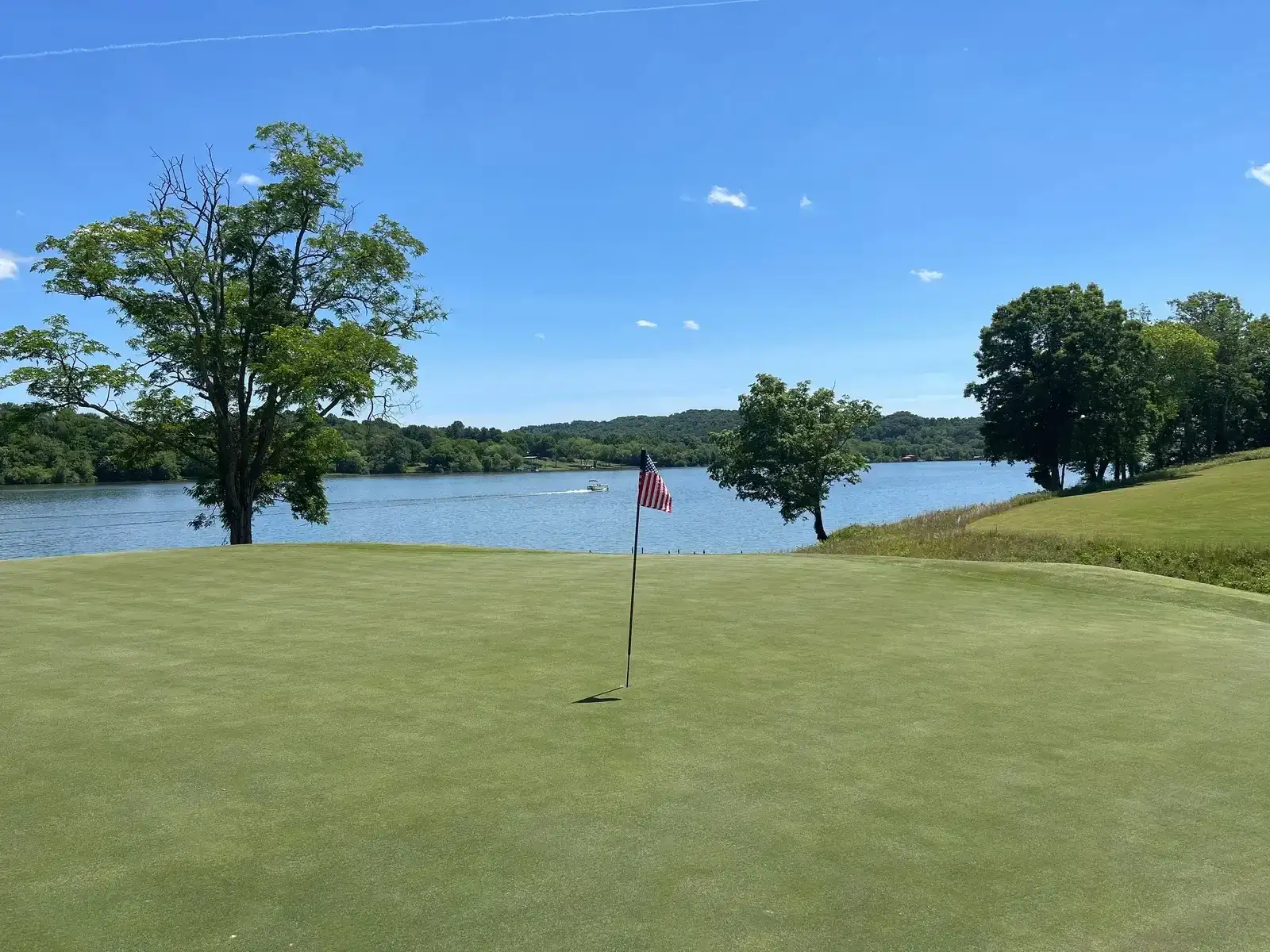
Waterfront living appeals to many retirees. Lakeside or coastal communities provide opportunities for kayaking, fishing, and long walks along the shore. While scenic, waterfront locations may come with higher maintenance costs and weather-related considerations, so it’s important to evaluate shoreline protections and insurance needs.
Mountain and Forest Communities
Mountain enclaves and forested neighborhoods are perfect for hikers and wildlife enthusiasts. Elevation and terrain offer dramatic views and a cooler climate in summer months. Consider access during winter months, as snow and narrow roads could affect mobility and access to services.
Suburban Eco-Communities
Suburban eco-communities blend convenience and green design. These neighborhoods often include walking trails, community gardens, and native-plant landscaping while remaining close to medical facilities and shopping. They are ideal for those who want nature nearby but still need city amenities.
Key Features to Look For
The presence of nature alone doesn’t guarantee a good fit. Look for specific features that support an outdoor lifestyle while maintaining safety, social opportunities, and access to care.
Trails and Walkability
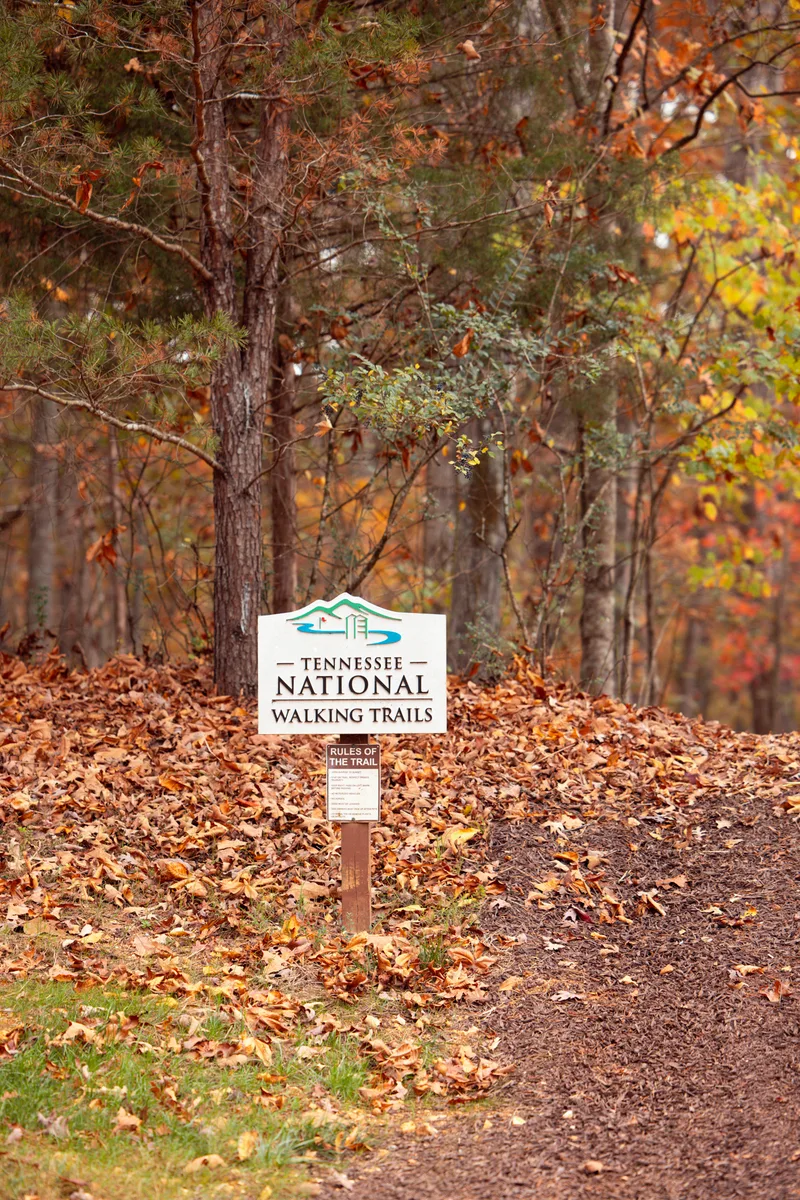
Interconnected walking and biking paths encourage daily activity and reduce dependence on cars. Evaluate trail maintenance, lighting, and proximity to residences. Safe, accessible trails make it easy to incorporate nature into everyday routines.
Community Gardens and Green Spaces
Shared gardens offer both leisure and purpose. Community plots, pollinator gardens, and composting areas help residents stay active and socially engaged. Check whether garden plots are allocated, maintained jointly, or require additional fees.
Wildlife and Habitat Conservation
Communities committed to habitat conservation attract diverse wildlife and demonstrate a long-term dedication to environmental stewardship. Look for native-plant landscaping, designated conservation easements, or partnerships with local land trusts.
Accessibility and Health Services
Proximity to urgent care, hospitals, and in-home health services is essential. Some nature-focused communities offer on-site clinics or visiting health professionals. Confirm availability of emergency response systems and accessible transportation to medical centers.
Top Regions and Communities to Consider
The right location depends on climate preference, access to family and services, and cost of living. Below are examples of regions and community characteristics that frequently appeal to nature-loving retirees.
Pacific Northwest: Lush Forests and Coastal Access
The Pacific Northwest offers temperate forests, rugged coastline, and abundant outdoor recreation. Communities here often emphasize sustainability, use of native plants, and easy access to trails and waterways. Winters are mild but wet, so investigate home weatherization and drainage systems.
Southeast: Mild Winters and Wetlands
The Southeast provides year-round greenery and wetlands rich in birdlife. Retirees who appreciate warm winters and abundant flora may prefer this region. Consider hurricane preparedness, mosquito control, and building elevation in coastal or low-lying areas.
Mountain West: High Desert and Alpine Views
Mountainous regions offer clear skies, wide-open spaces, and distinct seasons. Pace of life can be slower and costs varied. Accessibility and winter road maintenance should be evaluated, along with availability of high-quality healthcare within a reasonable distance.
Northeast: Seasonal Beauty and Community Traditions
The Northeast provides striking seasonal change, small towns, and preserved natural areas. Historic villages and conservation-focused retirement communities are common. Winters can be challenging, so factor in snow removal services and heating infrastructure.
Financial Planning for a Nature-Focused Retirement
Budgeting for a nature-centered retirement includes typical housing costs plus some nature-specific expenses. Planning ahead prevents surprises that could compromise lifestyle or security.
Housing Costs and HOA Fees
Nature-oriented communities may have higher upfront costs or homeowners association (HOA) fees to support trail maintenance, landscaping, and conservation efforts. Compare what the fees cover and whether they are likely to increase. Assess long-term affordability relative to fixed incomes.
Insurance and Maintenance
Homes near water, in wildfire corridors, or in flood plains require specialized insurance and mitigation measures. Maintenance costs can include tree care, erosion control, and seasonal property work. Build these into the annual budget.
Health Care and Transportation Costs
Distance to specialists and hospitals affects transportation expenses and potential relocation needs as care needs evolve. Evaluate local options for public transportation, shuttle services, and community ride programs, and factor private transportation costs into budgets if necessary.
Practical Planning Tips Before Making the Move
Transitioning to a nature-centered retirement community benefits from thoughtful preparation. Practical steps before committing help ensure the new home supports desired activities and long-term needs.
Spend Extended Time Visiting
Short visits can be misleading. Spend a week or more in the community during different seasons to experience weather, local events, and noise levels. Attend community meetings or social gatherings to gauge the social atmosphere.
Test the Commute and Services
Try out the route to the nearest hospital, grocery store, and airport. Check delivery options for groceries and medical supplies. Reliable internet access is often overlooked but essential for telehealth, staying connected, and entertainment.
Downsizing with Purpose
Moving to a nature-focused community is a chance to streamline belongings. Prioritize items that enhance outdoor living — gardening tools, binoculars, hiking gear — and consider storage options for seasonal equipment. A thoughtful downsizing plan reduces stress and cost.
Integrating Into the Community
Feeling at home in a new place often depends on connections with neighbors and shared activities. Nature-centered settings offer many organic ways to become involved.
Join Outdoor Clubs and Volunteer Programs
Joining hiking groups, birding clubs, or trail maintenance teams provides exercise and social opportunities. Volunteering with local conservation organizations deepens connections and contributes to preserving the very spaces that draw residents to the area.
Participate in Community Garden Projects
Community gardens and native-plant initiatives create shared responsibility and pride. Contributing time or expertise can lead to friendships and regular outdoor engagement.
Offer or Attend Educational Workshops
Workshops on composting, native plants, wildlife gardening, or local ecosystems both educate and connect neighbors. Many communities welcome informal sharing of skills, making it easier to meet like-minded people.
Designing a Home for Nature and Aging in Place
Homes should be designed to maximize enjoyment of nature while accommodating changing mobility needs. A few thoughtful modifications can extend independence and comfort.
Accessible Outdoor Spaces
Paths, patios, and garden beds should be designed for safety and ease of use. Raised garden beds, non-slip paving, and gentle slopes help maintain outdoor access. Consider covered outdoor spaces to extend usability in various weather.
Windows, Views, and Passive Design
Large windows and porches connect interiors with the landscape. Passive design elements—proper shading, orientation, and cross-ventilation—reduce energy needs and enhance comfort through the seasons.
Low-Maintenance Landscaping
Native plants reduce water needs and attract pollinators, while xeriscaping or mulched beds cut maintenance. Work with local landscapers familiar with native species to create sustainable, attractive outdoor spaces.
Red Flags to Watch For
Even picturesque communities can have drawbacks. Awareness of common red flags helps avoid costly mistakes that compromise quality of life.
Unclear Financial Obligations
Ambiguous HOA rules, special assessment histories, or poorly funded maintenance reserves can lead to unexpected bills. Request financial documents, minutes from HOA meetings, and a history of fee increases.
Poor Access to Health Services
Beautiful isolation becomes a problem if emergency services are limited. Verify ambulance response times, availability of local clinics, and options for in-home care providers.
Environmental Risks
Flood zones, wildfire potential, and unstable soils are significant concerns. Check hazard maps, insurance availability, and community mitigation plans before purchasing.
Final Checklist Before Committing
Use this practical checklist to confirm readiness for a nature-focused retirement move: visit multiple times and in different seasons; review HOA and financial documents; evaluate healthcare and transportation options; inspect property for environmental risks; and plan for maintenance and insurance costs. Having clear answers to these points reduces surprises and increases confidence in the decision.
Conclusion: Finding Balance Between Nature and Practicality
Choosing a retirement home for nature lovers is about balancing the pull of scenic living with practical needs for health, safety, and social engagement. The best communities offer well-maintained outdoor spaces, accessible services, and an active, supportive culture. With careful planning — including financial vetting, seasonal visits, and home modifications for aging in place — nature-focused retirement living can be richly rewarding.
When dealing with such a major life transition, thoughtful preparation ensures that the landscape becomes not just a backdrop but an active part of daily life, supporting well-being and bringing joy for years to come.
Discover Your Nature-Centered Retirement at Tennessee National
If you’re ready to embrace a retirement lifestyle where luxury and nature harmonize, Tennessee National offers the perfect setting. Enjoy scenic trails, waterfront dining, and exclusive amenities in a premier gated community designed to connect you with the outdoors while providing comfort and convenience.