Finding a retirement home that feels like family is about more than safety and medical care. It involves community, respect for independence, opportunities for connection across generations, and clear communication with loved ones. This guide offers practical steps and thoughtful considerations to help families choose a retirement home that supports dignity, social well-being, and a comfortable lifestyle.
What “Family-Friendly” Means in a Retirement Setting
Family-friendly retirement homes prioritize relationships—both between residents and their visiting family members, and among residents themselves. That can mean open visitation policies, family-oriented events, intergenerational programming, and environments that encourage regular, meaningful contact.
Such communities also take into account the needs of families who participate in care: flexible involvement in care planning, transparent communication, and support for family caregivers who may visit or assist. A family-friendly approach balances resident autonomy with opportunities for familial connection.
Additionally, these settings often provide educational resources and counseling services aimed at helping families navigate the emotional and logistical challenges of aging. By fostering an atmosphere of inclusivity and understanding, family-friendly retirement communities strive to reduce feelings of isolation for residents and reassure family members that their loved ones are well cared for and engaged.
Technology is also integrated thoughtfully to support communication between residents and their distant family members. Many communities offer video calling stations, easy-to-use tablets, or even staff-assisted digital connectivity, ensuring families can stay connected even when physical visits are temporarily not possible.
Design and Space That Invite Family
Architecture and layout play a role. Comfortable visiting areas, private spaces for family meals, and outdoor seating make visits easier and more enjoyable. Multi-bedroom suites or accessible rooms for short stays by visiting relatives can be particularly helpful for families living far away who want to stay overnight.
Beyond the basics, lighting, acoustics, and friendly décor contribute to a welcoming ambiance that feels like home to both residents and their visitors. Spaces designed with ease of mobility in mind—such as wide doorways and ramps—ensure that family members of all ages and abilities can move about comfortably. Seasonal gardens or communal kitchens can also act as natural gathering spots, encouraging spontaneous interactions and shared experiences that deepen family bonds.
Programs That Include Families
Look for programs that welcome children, invite family members to holiday celebrations, and build partnerships with local schools or community groups. Events that encourage family participation—art workshops, gardening days, or storytelling sessions—help maintain emotional ties and build memories.
Many retirement communities also organize support groups and educational workshops for families to better understand aging-related issues and caregiving techniques. These programs foster a sense of community not only among residents but also among their families, making everyone feel valued and supported. Seasonal festivals and themed dinners that involve multiple generations further enrich the social fabric, creating joyful occasions that families look forward to year after year.
Begin with a Clear Needs Assessment
Start by listing the medical, physical, social, and financial needs of the older adult. This assessment should be detailed and realistic: consider mobility, medication management, cognitive health, dietary restrictions, and social preferences. It will guide the search and prevent settling for the wrong level of care.
Include the family’s capacity to participate. How often will visits occur? Will family members assist with transportation, appointments, or daily tasks? Understanding what family involvement looks like helps identify communities that support those patterns.
Health and Care Levels
Clarify whether independent living, assisted living, memory care, or skilled nursing is appropriate. Some family-friendly retirement homes offer multiple levels of care within the same campus, allowing continuity if needs evolve. That continuity can ease stress for families worried about future transitions.
Lifestyle and Social Preferences
Consider personality: does the older adult prefer a bustling social calendar or quieter routines? Activities, religious services, dining styles, and opportunities for volunteering or part-time work should fit the resident’s interests to promote happiness and engagement.
Safety, Accessibility, and Health Services
Safety and health services are non-negotiable. Examine emergency response systems, staff-to-resident ratios, and access to medical providers. Good retirement communities have clear protocols for falls, medication errors, and other urgent situations, and they communicate these clearly to families.
Accessibility features should be evaluated in person. Check for grab bars, non-slip flooring, ramps, elevator access, and bathroom layouts that accommodate mobility devices. These elements influence daily independence and long-term safety.
Staff Qualifications and Training
Ask about staff credentials, ongoing training, and turnover rates. Stable, well-trained staff foster better relationships and care continuity. Inquire about how staff are trained to handle dementia behaviors, communicate with family members, and support residents’ emotional needs.
Medical Partnerships and Onsite Care
Some retirement homes provide onsite nurse practitioners, visiting physicians, or telehealth options. Understand how medications are managed, how primary care coordination works, and whether physical therapy or hospice services are available. Quick access to medical care reduces risk and offers peace of mind.
Social Life and Community Culture
Community culture deeply affects quality of life. A family-friendly retirement home should encourage friendships, foster respect among residents, and offer activities that are both engaging and inclusive. Observe interactions during visits: do residents seem engaged and comfortable?
Events and clubs that span generations are especially valuable. Connections with local schools, volunteer groups, or community centers create a sense of purpose and reduce isolation. Also consider whether the community respects cultural, religious, or lifestyle differences, and whether it supports continued autonomy.
Daily Rhythm and Activities
Look for variety: physical fitness classes, arts and crafts, educational lectures, outings, and quiet social options like book clubs. The schedule should offer choices rather than a one-size-fits-all routine, allowing residents to maintain personal interests.
Opportunities for Family Involvement
Check whether the facility organizes family councils, caregiver support groups, or joint events. These structures invite family input into programming and policy, creating a more collaborative environment and ensuring that family voices are heard.
Location, Transportation, and Neighborhood Fit
Location affects how often family members can visit and how well the retirement home fits with current social ties. Proximity to parks, religious centers, medical services, and favorite restaurants matters. Consider whether the surrounding neighborhood feels safe and welcoming.
Transportation options are another key factor: on-site shuttles, arranged transportation for medical appointments, and easy access to public transit can make life easier for residents and families alike. For family members who visit frequently, nearby lodging and parking availability may also be relevant.
Community Connections
Communities that partner with neighborhood organizations or encourage residents to participate in local events tend to feel integrated rather than isolated. These connections provide meaningful opportunities to stay active in community life and maintain existing social networks.
Budget, Contracts, and Financial Transparency
Affordability must be balanced with quality. Understand what is included in the base fee and which services cost extra. Common add-ons include higher levels of care, medication management, meals for guests, transportation, and special therapies. Hidden fees should be identified early.
Contracts can be complex. Look for clear explanations of refund policies, fee increases, transfer procedures between care levels, and liability clauses. Families should seek independent legal or financial advice if any contract terms are confusing or seem unfavorable.
Payment Options and Long-Term Planning
Ask about accepted payment methods such as private payment, long-term care insurance, veteran benefits, or Medicaid options if applicable. Understanding how the community handles financial hardship or changes in coverage is important for long-term stability.
Exit Policies and Transition Planning
Examine how transitions are handled if a higher level of care becomes necessary or if a resident moves out. A family-friendly facility communicates these policies in advance and provides support during transitions, including coordination with other providers.
Visiting and Evaluation Tips
Visits reveal much more than brochures. Schedule multiple visits at different times—during mealtimes, activity hours, and evenings—to get a full sense of daily life. Bring family members with different perspectives to assess safety, engagement, and comfort.
Prepare a checklist of questions and observe staff interactions, resident mood, and cleanliness. Smells, noise levels, and the friendliness of front desk staff contribute to the overall impression. Trust instincts: if something feels off, ask direct questions.
Sample Questions to Ask on a Tour
Inquire about emergency response times, staff training, typical staff-to-resident ratios, policies for visitors, and how families are informed about health changes. Also ask to see a sample menu, activity calendar, and a copy of the contract.
Get References and Speak to Current Families
Request references from current residents and their families. Talking to people who visit regularly can reveal how the facility handles communication, flexibility, and family involvement. Online reviews are useful but should be balanced with direct conversations.
Making the Transition Easier
Moving into a retirement home is a significant life change. Plan the move thoughtfully: involve the resident in decisions, bring cherished items to personalize the space, and maintain familiar routines. These steps reduce anxiety and foster a sense of belonging.
Establish regular visiting patterns early on and identify staff members who will be primary contacts for care coordination. Consistent communication between family and staff helps detect issues early and creates a cooperative environment.
Orientation and Welcome Strategies
A family-friendly facility offers orientations, tours for close friends, and introductions to activity groups. Participation in a few welcoming events can accelerate social connections and make the new environment feel like home.
Monitoring Well-Being After Move-In
Keep an eye on both physical and emotional health after the move. Changes in appetite, mood, sleep, or engagement can indicate adjustment challenges. Regular conversations with staff and involvement in activities help maintain well-being.
Final Checklist Before Choosing
Before making a final decision, confirm these essentials: clear, written costs and contract; visible and trained staff; a safe, accessible environment; meaningful activities; family-friendly policies; and good communication channels. Also ensure the location and travel arrangements support regular visits.
Choosing a retirement home that truly feels family-friendly takes time and careful observation. The ideal community supports independence while welcoming family involvement, provides compassionate and competent care, and fosters social life that keeps residents active and connected.
Summary of Key Points
Prioritize a needs assessment, evaluate safety and care levels, observe daily life and staff behavior, verify financial transparency, and plan for an intentional transition. A community that values relationships and respects individuality makes the difference between a place to live and a place to thrive.
Discover a Family-Friendly Retirement Lifestyle at Tennessee National
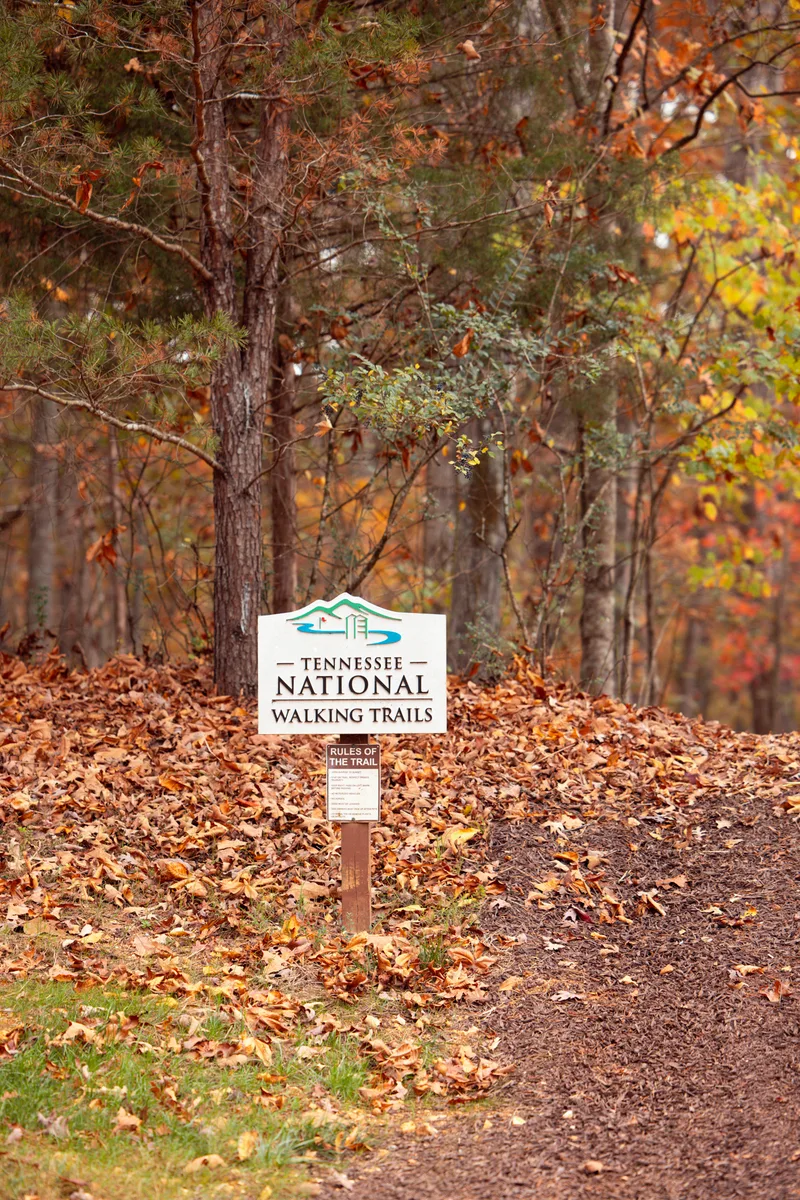
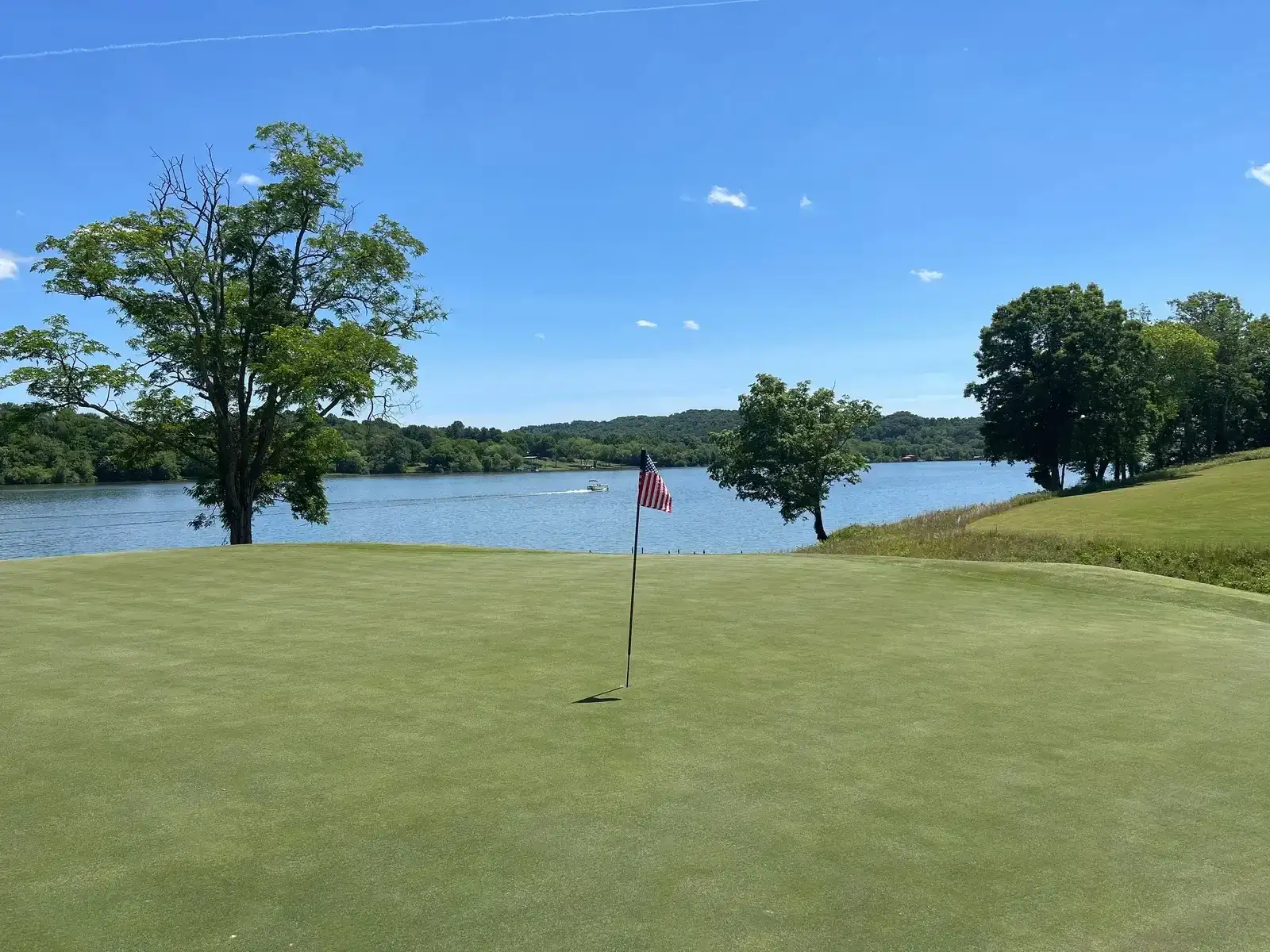
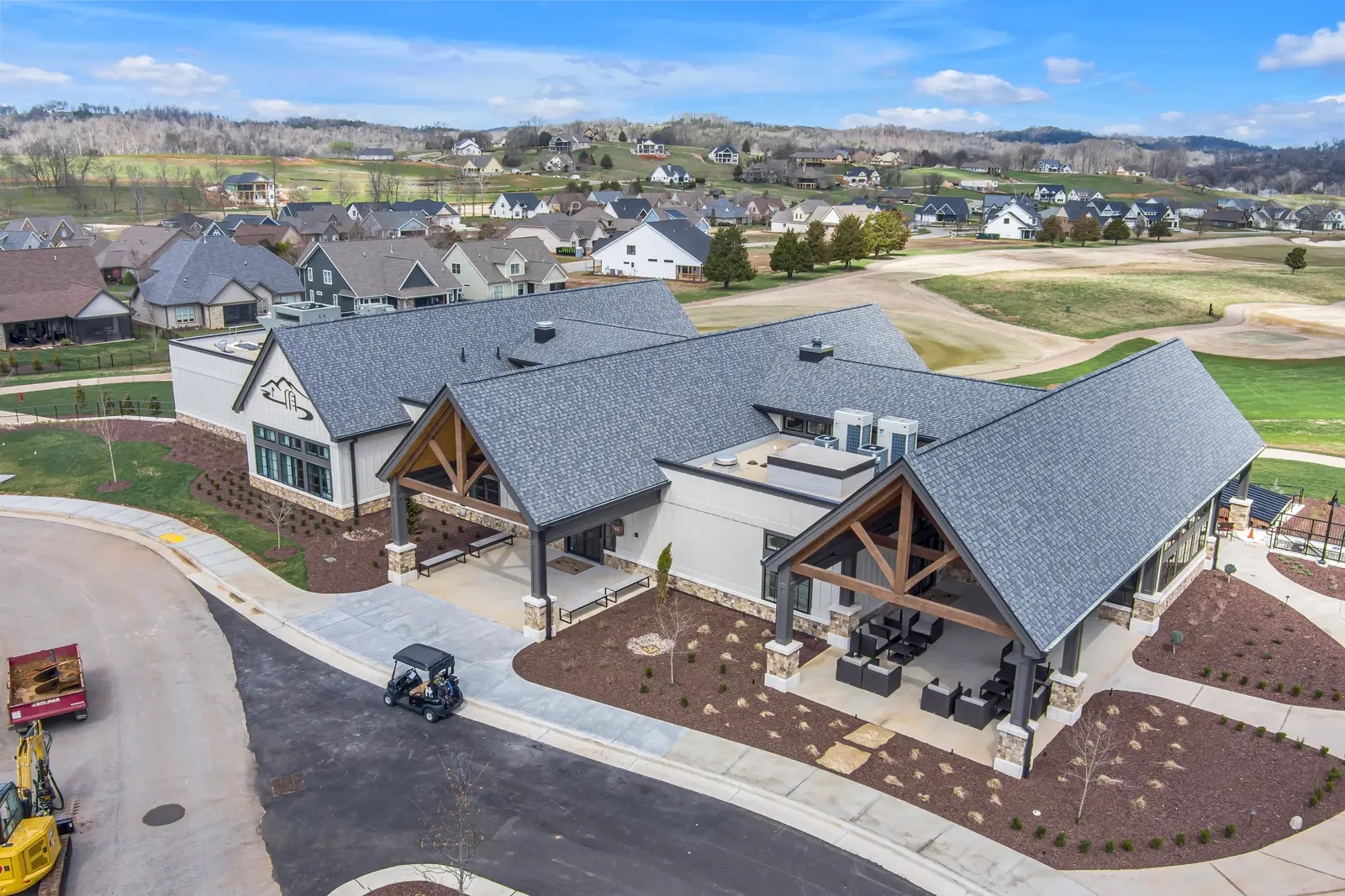
When choosing the right retirement community, finding a place that feels like family and offers exceptional amenities is key. At Tennessee National, you’ll enjoy a luxurious gated community designed to support independence, connection, and an active lifestyle. From our Greg Norman Signature Golf Course to waterfront dining and vibrant social clubs, every day offers new opportunities to thrive. Experience the comfort and care you deserve—[