
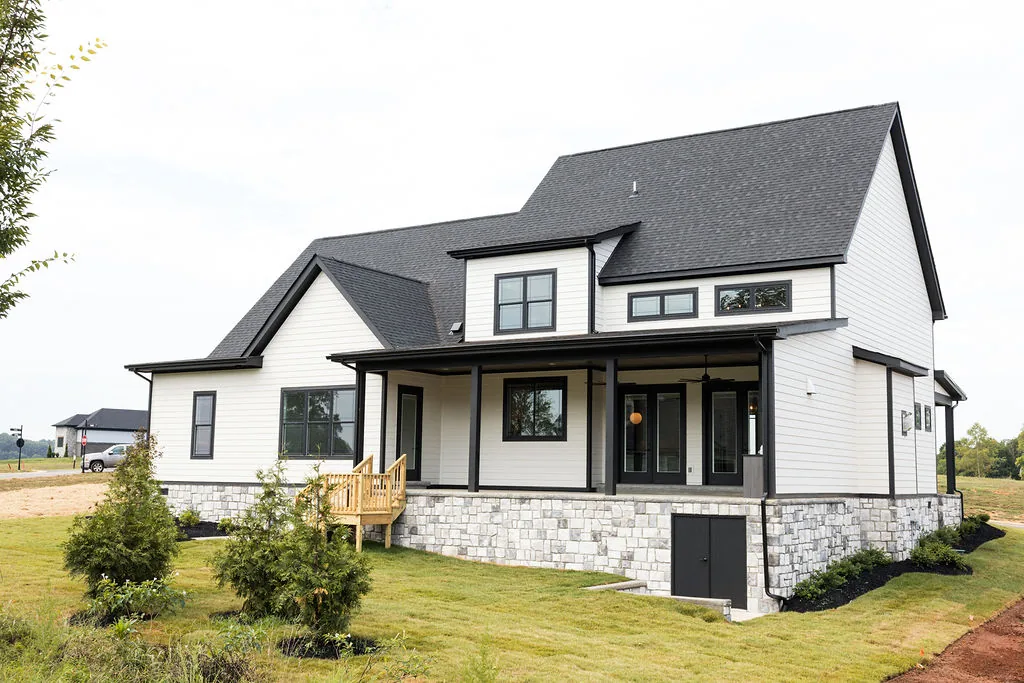
Retirement marks a major life transition, and finding the right living situation is one of the most important decisions. For many older adults and their families, affordability is a top concern. This article explores practical strategies, housing types, and resources to locate comfortable retirement homes that won’t break the budget.
Understanding the True Cost of Retirement Living
When comparing retirement homes, the sticker price is only part of the picture. Monthly fees can include rent, utilities, meals, housekeeping, transportation, and social activities. Some communities charge additional fees for medical services, personal care, or more intensive support. It’s essential to review contracts carefully and ask for a clear breakdown of all charges and how they might change over time.
Upfront costs may also be involved. Move-in deposits, community entrance fees, or refundable security deposits can vary widely. Knowing whether a fee is refundable, partially refundable, or nonrefundable helps avoid surprises later. Consider how long the current budget will sustain the chosen option, and evaluate whether long-term financial flexibility exists for unexpected needs.
Beyond direct costs, prospective residents should also consider indirect financial factors such as potential tax benefits or the impact on estate planning. Some retirement communities offer financial counseling or assistance with government benefits like Medicaid or Veterans Affairs aid, which can help offset expenses. It is equally important to understand the policies regarding fee increases, which typically occur annually and can significantly affect affordability over time.
Additionally, exploring the level of healthcare services included in the fees is critical, particularly for those anticipating needing more intensive medical or personal care. Some communities have tiered pricing based on care levels, so understanding how transitions between these tiers are managed can prevent unexpected financial strain. Visiting multiple communities and speaking with current residents can provide valuable insight into both costs and the real-world value offered.
Types of Budget-Friendly Retirement Housing
Different housing models fit different financial situations and care needs. Familiarity with the main types helps narrow the search and focus on the most cost-effective options.
Independent Living Apartments
Independent living communities typically offer apartment-style units with optional communal services such as dining rooms, laundry, and social events. These are usually among the most affordable retirement-specific options since they focus on convenience and community rather than medical care. They are appropriate for active retirees who want to downsize and enjoy shared amenities.
Additionally, many independent living apartments emphasize social engagement through organized activities like fitness classes, hobby groups, and outings, which can greatly enhance quality of life without significant extra cost. By eliminating the burden of home maintenance and fostering an active lifestyle, these communities often appeal to seniors looking to balance independence with opportunity for social interaction.
Continuing Care Retirement Communities (CCRCs)
CCRCs provide a tiered approach, including independent living, assisted living, and skilled nursing care. Some CCRCs require a substantial entrance fee that buys future security, while others have lower upfront costs with higher monthly fees. For budget-conscious retirees, entry-fee CCRCs with refund options can be prohibitively expensive, but rental CCRCs exist and may offer more manageable pricing.
It’s also worth noting that CCRCs often include various amenities such as wellness centers, transportation services, and housekeeping, which can offset personal expenses incurred in independent living. Evaluating the full spectrum of services included versus paid separately can help determine the true affordability of a given CCRC option.
Assisted Living and Memory Care
Assisted living communities are designed for residents who need help with daily activities. Memory care units specialize in safety and structured programs for cognitive decline. These options are necessarily more expensive than independent living because of staffing and specialized care. However, smaller facilities or licensed residential care homes can present lower-cost alternatives to larger assisted living complexes.
Furthermore, some communities may offer sliding scale fees or financial assistance programs that make assisted living or memory care more accessible. Exploring local resources such as Medicaid waivers or veteran benefits can also provide support for those who qualify and help ease the financial burden.
Shared Housing and Cooperative Models
Shared housing pairs or groups individuals who live together and share expenses. Cooperative living arrangements might involve a nonprofit or community land trust that keeps costs low. These models reduce per-person housing costs and build mutual support networks, making them attractive for seniors seeking affordability and companionship.
In addition, these arrangements often foster a sense of community and shared responsibility, which can be invaluable for emotional well-being. Many seniors find that cooperative living not only reduces costs but also combats isolation, providing a built-in system of mutual aid and daily interaction.
Strategies to Reduce Housing Costs
There are several pragmatic ways to stretch retirement income without sacrificing safety or quality of life. Combining approaches often yields the best results.
Location Matters
Housing costs vary widely by geography. Smaller cities, suburban areas, and rural towns often provide more affordable options than major metropolitan centers. Researching regions with lower property taxes, favorable senior services, and accessible healthcare can identify affordable areas that still meet personal needs.
Downsizing and Smart Decluttering
Moving to a smaller home or apartment reduces rent, maintenance, property taxes, and utility bills. Selling unneeded possessions, furniture, and a larger home can generate funds for moving costs or a rental deposit. Prioritizing essential items and transitioning gradually helps make downsizing less stressful and more financially beneficial.
Look for Subsidized and Income-Based Programs
Federal, state, and local programs provide housing assistance for low-income seniors. Subsidized senior housing, including HUD-assisted properties or Section 8 vouchers, lowers rent to a percentage of monthly income. Eligibility rules vary, so applying early and connecting with local housing agencies increases the chances of securing support.
Shared Services and On-Site Resources
Selecting a community that bundles services—such as meals, transportation, and laundry—can be more economical than paying for each separately. Some communities partner with healthcare providers to deliver on-site clinics or telehealth that reduce external medical visits and associated costs.
Financial Tools and Assistance to Explore
Several financial instruments and assistance programs can offset the cost of retirement housing. Understanding eligibility and application timelines prevents missed opportunities.
Medicaid and Long-Term Care Support
Medicaid can cover long-term care costs for eligible low-income individuals, though rules differ by state and often require meeting strict asset and income limits. Medicaid does not typically pay for purely independent living, but it may cover nursing home care or home- and community-based services that allow people to remain at home longer.
Reverse Mortgages and Home Equity Options
Homeowners can access home equity through reverse mortgages or home equity lines of credit. A reverse mortgage converts part of a home’s value into tax-free cash without monthly repayments, provided certain conditions are met. These tools can help fund housing transitions, but they reduce home equity and may affect eligibility for other assistance programs. Careful counseling and comparison are essential before pursuing these options.
Veterans Benefits
Veterans and surviving spouses may qualify for financial assistance through the Department of Veterans Affairs. Programs such as Aid and Attendance supplements can offset the cost of in-home care, assisted living, or nursing home care. Eligibility depends on service history and income, so exploring VA benefits early in the planning process is advisable.
Local Nonprofits and Community Resources
Nonprofit organizations, faith communities, and local agencies often provide grants, sliding-scale services, and housing assistance targeted to seniors. These resources may cover a portion of rent, offer transportation, provide meals, or help with home modifications that extend safe living at home.
Evaluating Communities: Questions to Ask
Choosing a retirement home requires careful comparison. A consistent set of questions helps evaluate value, services, and long-term suitability.
Key questions include: What services are included in the monthly fee? How are additional services billed? What is the policy for fee increases? Are there options for higher levels of care if needs change? What are the terms for lease, deposit refunds, and contract termination? Is there a waitlist or occupancy requirement? Additionally, inquire about staffing ratios, emergency response systems, resident activities, and transportation offerings.
Requesting a sample contract and having an attorney or trusted advisor review it can prevent costly misunderstandings. Visiting communities in person, talking to current residents and family members, and observing daily life during a meal or activity adds important real-world perspective beyond glossy brochures.
Making the Transition Easier
Moving into retirement housing, even when financially sensible, is an emotional and logistical challenge. Planning ahead can make the transition smoother for residents and families alike.
Create a timeline for the move that includes financial steps, decluttering, and notifying service providers. Establishing a support team—family, friends, a real estate agent, and a financial advisor—distributes tasks and decisions. Practical measures like labeling boxes, photographing rooms for layout planning, and selecting essential furniture ahead of time reduce stress on move day.
Attention to social needs is also important. Choosing a community with a lively activity calendar or opportunities to volunteer builds social connections fast. Technology training and accessible transportation ensure that outings, medical appointments, and visits stay manageable without adding significant cost.
Case Examples of Affordable Choices
Different scenarios illustrate how a combination of strategies can lead to affordable retirement living. One retiree might downsize to an independent living apartment in a smaller city, using proceeds from a home sale to cover moving costs and initial months of rent while applying for local utility assistance. Another may join a cooperative housing model that reduces monthly expenses through shared maintenance and volunteer-managed services.
A third example includes a veteran who combines VA Aid and Attendance benefits with a rental in subsidized senior housing, dramatically lowering out-of-pocket costs for assisted living services. These examples show that affordable options can be pieced together from multiple resources, and planning is the key to success.
Final Considerations and Next Steps
Finding an affordable retirement home involves balancing cost, care needs, location, and lifestyle preferences. Early planning, exploring all housing models, and leveraging public and private assistance can uncover options that provide both value and dignity in later life.
Start by making a realistic budget, listing must-have services, and prioritizing locations. Reach out to local aging agencies, attend community tours, and consult financial and legal advisors before signing contracts. With careful research and practical steps, affordable retirement living that supports health and social needs is attainable.
Discover Affordable Luxury Living at Tennessee National
Ready to find a retirement home that balances affordability with exceptional lifestyle amenities? Tennessee National offers a premier gated community nestled in beautiful Tennessee, featuring a Greg Norman Signature Golf Course, private marina, waterfront dining, and over 20 member amenities. Whether you prefer a move-in ready home or a custom build, our resort-style living with vibrant social clubs and scenic nature trails provides the perfect setting to enjoy your retirement. [