Choosing where to spend retirement years is a major life decision, and for many, a marina lifestyle offers a unique blend of tranquility, recreation, and community. This guide explores marina retirement living in depth: what it is, who it’s for, what to consider, and how to plan for a comfortable and fulfilling life by the water.
What Is Marina Retirement Living?
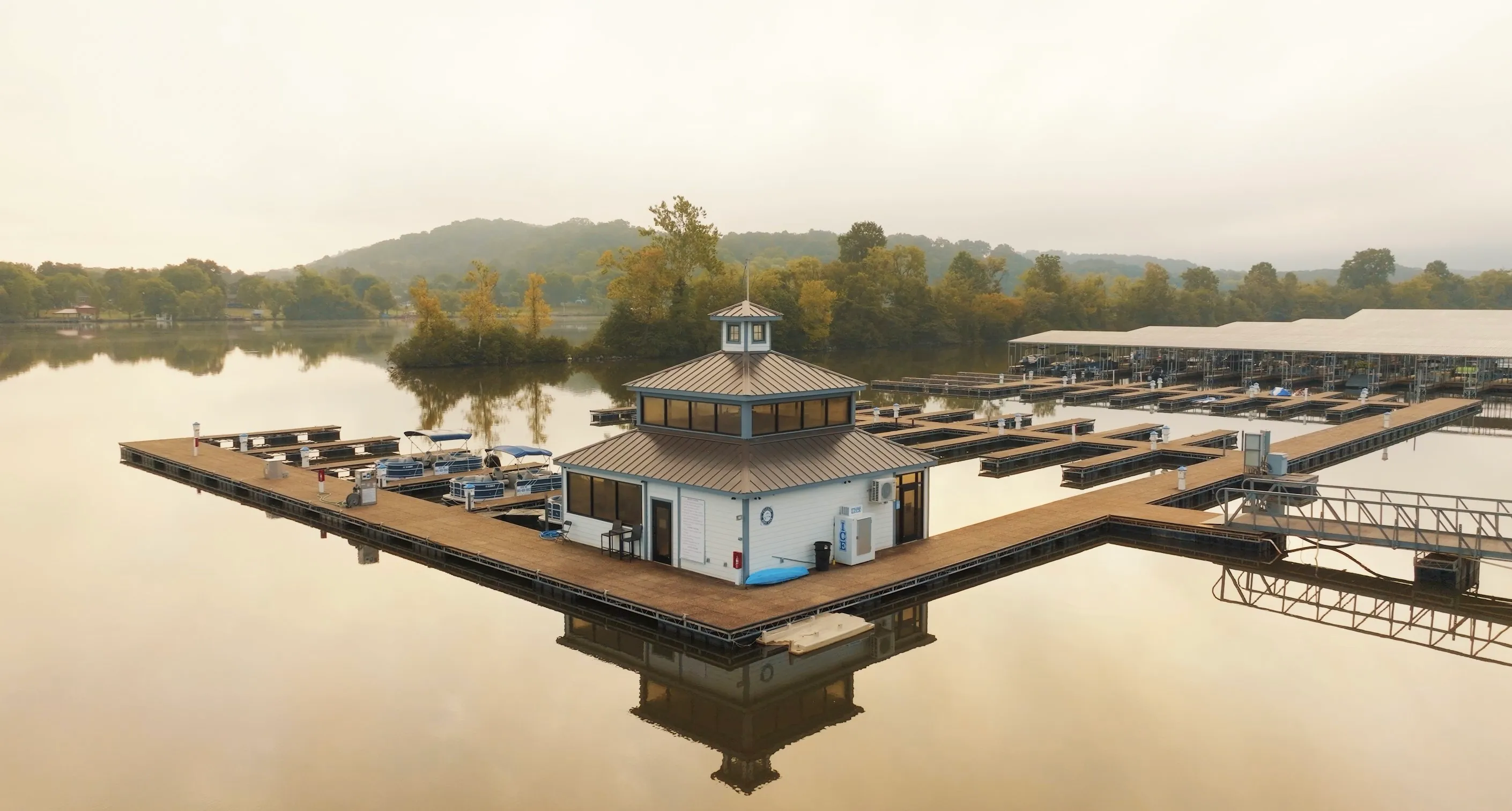
Marina retirement living refers to residential communities or housing options located at or near marinas, where waterways, dock access, and boating amenities are central features. These communities vary widely—from active full-service marina developments with on-site restaurants and repair services to quieter waterfront neighborhoods where private boat owners moor close by.
At its core, marina living blends residential comfort with nautical convenience. Many residents choose this lifestyle to maintain an active connection to boating, fishing, kayaking, and waterfront recreation, while also enjoying the social aspects and services that come with a community specifically built for retirees.
This lifestyle emphasizes a harmonious balance between relaxation and adventure. Beyond immediate water activities, marina retirement living often encourages exploration of nearby coastal towns, nature trails, and marine wildlife observation points. Residents find themselves in a unique position to enjoy peaceful sunrises over the water, coupled with vibrant weekend markets and festivals that often take place in marina vicinities.
Moreover, these communities typically foster a strong sense of camaraderie among residents, who share similar interests in watercraft and outdoor activities. This common ground creates opportunities for group outings, boating clubs, and educational workshops focused on marine safety and conservation, enriching the retirement experience.
Types of Marina Retirement Communities
Several models of marina retirement communities exist, including condominium complexes with dedicated slips, mobile home parks adjacent to marinas, and planned neighborhoods with private docks. Each model offers different levels of maintenance, amenities, and social programming.
Full-service marinas often include fuel docks, on-site mechanical support, clubhouses, walking paths, and organized activities. More residential-focused options might prioritize privacy and larger living spaces, trading extensive services for lower fees and quieter surroundings.
In addition to these common forms, some marina retirement communities are designed with eco-friendly features such as solar-powered docks, rainwater collection systems, and native landscaping to promote sustainability. This attracts retirees who are conscientious about environmental impacts and prefer living spaces that reflect their values.
Another emerging trend is the integration of wellness facilities within these communities, including yoga studios, swimming pools, and fitness centers, tailored specifically to seniors. These amenities enhance quality of life by supporting physical health and providing social hubs where residents can make new friends and pursue hobbies together.
Who Thrives in Marina Retirement Living?
Marina living is particularly appealing to people who enjoy water-based recreation and desire easy access to their boats. It also suits those seeking a peaceful environment with scenic views, mild climates, and a slower pace without sacrificing amenities.
Active Boaters and Anglers
Retirees who own boats or plan to buy one find marina residences very convenient. The ability to step from home to dock and be out on the water within minutes is a major draw. Seasonal boating communities can provide like-minded neighbors and shared dock resources.
People Seeking Waterfront Lifestyle Without the Upkeep
Not everyone wants the labor involved in owning waterfront property. Marina communities often handle dock maintenance, landscaping, and common area upkeep through homeowners’ associations or management companies. This arrangement allows residents to enjoy waterfront living without significant physical work.
Socially Oriented Retirees
Many marinas cultivate social calendars with events, clubs, and group outings. This environment benefits retirees who want opportunities to meet neighbors, join activities like boating clubs or walking groups, and participate in community governance or volunteer programs.
Key Benefits of Marina Retirement Living
There are practical and lifestyle benefits to choosing a marina community for retirement. Understanding these helps weigh the marina option against other retirement living choices.
Convenience and Accessibility
Living adjacent to a marina means quick, often on-foot, access to boats, equipment, and waterfront recreation. Amenities such as restrooms, showers, laundry, and storage are frequently available, making day trips on the water more feasible and comfortable.
Health and Wellness Advantages
Proximity to water can encourage physical activity—walking, sailing, kayaking, or light maintenance tasks contribute to cardiovascular health and flexibility. The calming effects of waterfront views and fresh air also support mental well-being and stress reduction.
Community and Security
Marina communities often have an established resident base and structured governance. This can offer a sense of security, both in terms of neighborhood safety and predictable management of shared resources like docks and seawalls. Organized activities foster community bonds among residents.
Costs and Financial Considerations
Financial planning is essential when considering marina retirement living. Costs can vary significantly based on location, services, and whether a residence includes a private dock or slip. Understanding both upfront and ongoing expenses helps prevent surprises.
Purchase vs. Rental Options
Some retirees buy condominiums or homes with deeded slips, while others rent slips and live in nearby housing. Purchasing often requires a larger initial outlay but may provide long-term savings and asset appreciation. Rental options lower entry costs but may be subject to rate increases and limited availability.
Upfront Costs
Upfront costs typically include property purchase price, slip purchase or lease fees, and closing costs. For fully integrated marina communities, there may be additional one-time community initiation or transfer fees that cover membership in shared services or access to amenities.
Ongoing Expenses
Recurring expenses can include homeowners’ association fees, slip rental or maintenance fees, utilities, insurance (both property and boat), and periodic maintenance for docks and seawalls. Weather-related costs for storm damage repairs or increased insurance premiums in flood-prone areas should be anticipated.
Location, Climate, and Environmental Factors
Choosing the right location is a pivotal decision. Climate affects year-round enjoyment, boating seasons, and maintenance needs. Environmental considerations include flood risk, water quality, and local wildlife.
Climate and Seasonality
Warmer climates allow for longer boating seasons and more outdoor living, while temperate or colder regions may have limited months for boating and require winter storage or hauling out. Consider how seasonal changes match personal preferences for activity levels and social interaction.
Flood Zones and Insurance
Marinas are often in coastal or riverine flood zones. Flood insurance and structure elevation requirements can add to insurance premiums and construction costs. Confirm flood maps, elevation certificates, and local mitigation measures when evaluating a property.
Water Quality and Marine Health
Water conditions affect fish populations, swimming, and boat maintenance. Assess local water quality reports, algae or pollution advisories, and marina policies on wastewater pumping and bilge management. Healthy marine environments support better long-term enjoyment and property values.
Practical Living Considerations
Practical matters shape daily life in a marina community. Accessibility, transport, healthcare proximity, and maintenance logistics are crucial for comfortable retirement years.
Accessibility and Mobility
Check whether pathways, docks, and housing are designed for aging occupants. Features like handrails, ramps, low-threshold entries, and elevators in multi-story buildings enhance safety and convenience. Consider the distance from docks to parking and community facilities.
Access to Healthcare and Services
Proximity to healthcare providers, emergency services, grocery stores, and pharmacies should be a priority. Evaluate local emergency response times, availability of specialized geriatric care, and options for in-home or visiting healthcare services.
Maintenance and Boat Support
Inquire about on-site marine services—haul-out capacity, winterization, mechanical support, and parts supply. A marina with reliable boat maintenance support reduces the hassle of coordinating repairs and keeps vessels seaworthy.
Social Life, Activities, and Culture
Social engagement contributes deeply to quality of life. Marina communities often craft a culture centered on outdoor living, shared interests, and neighborhood events that encourage neighborly connections.
Clubs, Classes, and Group Activities
Many marinas host sailing clubs, fishing tournaments, arts and crafts groups, fitness classes, and lecture series. Regular programming helps residents build friendships and maintain an active lifestyle tailored to their interests.
Events and Traditions
Community events—such as seasonal festivals, potlucks, and charity regattas—create tradition and continuity. These gatherings provide both entertainment and practical networking opportunities with neighbors and service providers.
Intergenerational Opportunities
Some marina communities welcome families and younger boaters, creating intergenerational interactions that enrich social life. These settings offer chances to mentor new boaters or partake in family-friendly activities and volunteer programs.
How to Evaluate a Marina Community
Thorough evaluation involves site visits, talking with residents, and reviewing documents. A systematic approach will help identify both the benefits and potential drawbacks of any marina community under consideration.
Ask Residents and Staff Direct Questions
Conversations with current residents can reveal everyday realities that marketing materials might not show. Ask about maintenance responsiveness, noise levels, seasonal population changes, and any recurring issues like wildlife or traffic.
Inspect Legal and Financial Documents
Review homeowners’ association bylaws, reserve studies, insurance requirements, and marina slip agreements. Understanding governance, fee structures, and dispute resolution procedures prevents unpleasant surprises down the line.
Evaluate Long-Term Viability
Investigate the marina’s financial stability, history of maintenance, and plans for future improvements. A well-funded, proactive management team is more likely to keep facilities safe and attractive over time.
Transitioning Successfully
Making a smooth move to marina retirement living involves logistical planning and thoughtful downsizing. Preparing both property and possessions ensures a comfortable adjustment to the new lifestyle.
Downsize and Organize for Water-Friendly Living
Smaller living spaces near marinas often require downsizing. Prioritize essentials, streamline possessions for ease of mobility, and consider storage solutions for seasonal gear. Plan for safe storage of marine equipment and trailered boats if necessary.
Plan for Weather and Emergency Preparedness
Develop a plan for storms and evacuation routes. Keep emergency supplies, maintain a list of emergency contacts, and ensure vehicles and critical documents are accessible. Familiarize with marina storm protocols and local emergency alerts.
Create a Social and Activity Plan
Build a routine that balances relaxation with engagement—join clubs, volunteer, or enroll in classes. Establishing a social network early boosts emotional well-being and accelerates the sense of belonging in a new community.
Final Thoughts
Marina retirement living offers a distinctive way to enjoy later life—combining the serenity of waterfront views with an active, social lifestyle. With careful planning around costs, location, accessibility, and community culture, marina living can provide a rewarding retirement experience that supports health, connection, and lifelong enjoyment of the water.
Choosing the right marina community involves practical evaluation and personal reflection on priorities. Whether seeking daily boat access, a strong social calendar, or simply a peaceful place to watch the tides, the marina lifestyle has options that fit a wide range of retirement goals.
Discover Your Ideal Marina Retirement at Tennessee National
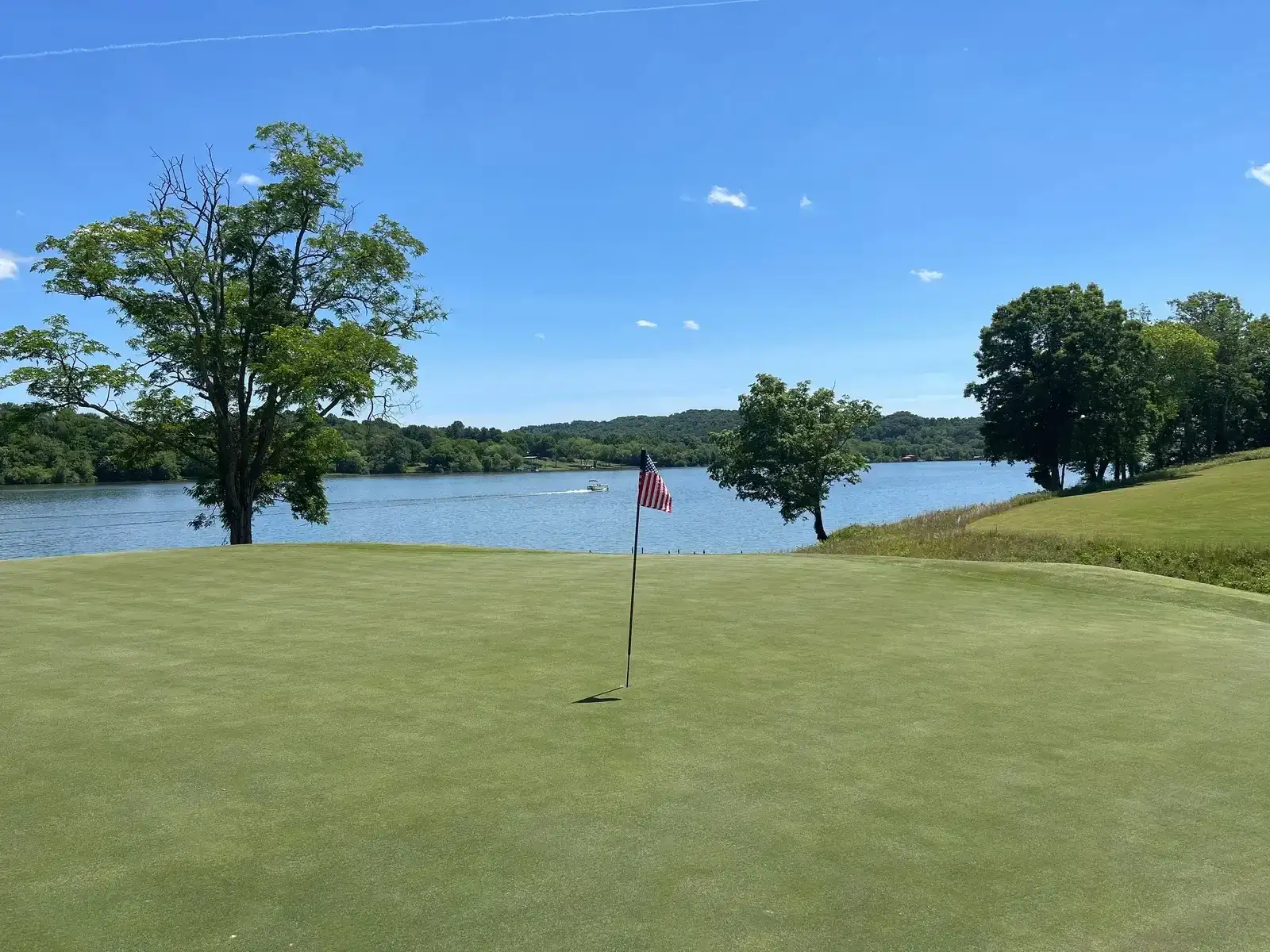
Ready to embrace the marina lifestyle with luxury and comfort? Tennessee National offers a premier gated community featuring a private marina, waterfront dining, and over 20 amenities including a Greg Norman Signature Golf Course. Whether you prefer a move-in ready home or a custom build, our scenic setting and vibrant social scene provide the perfect backdrop for your retirement years. [