Why Choose a Lakeview Home Near Knoxville?
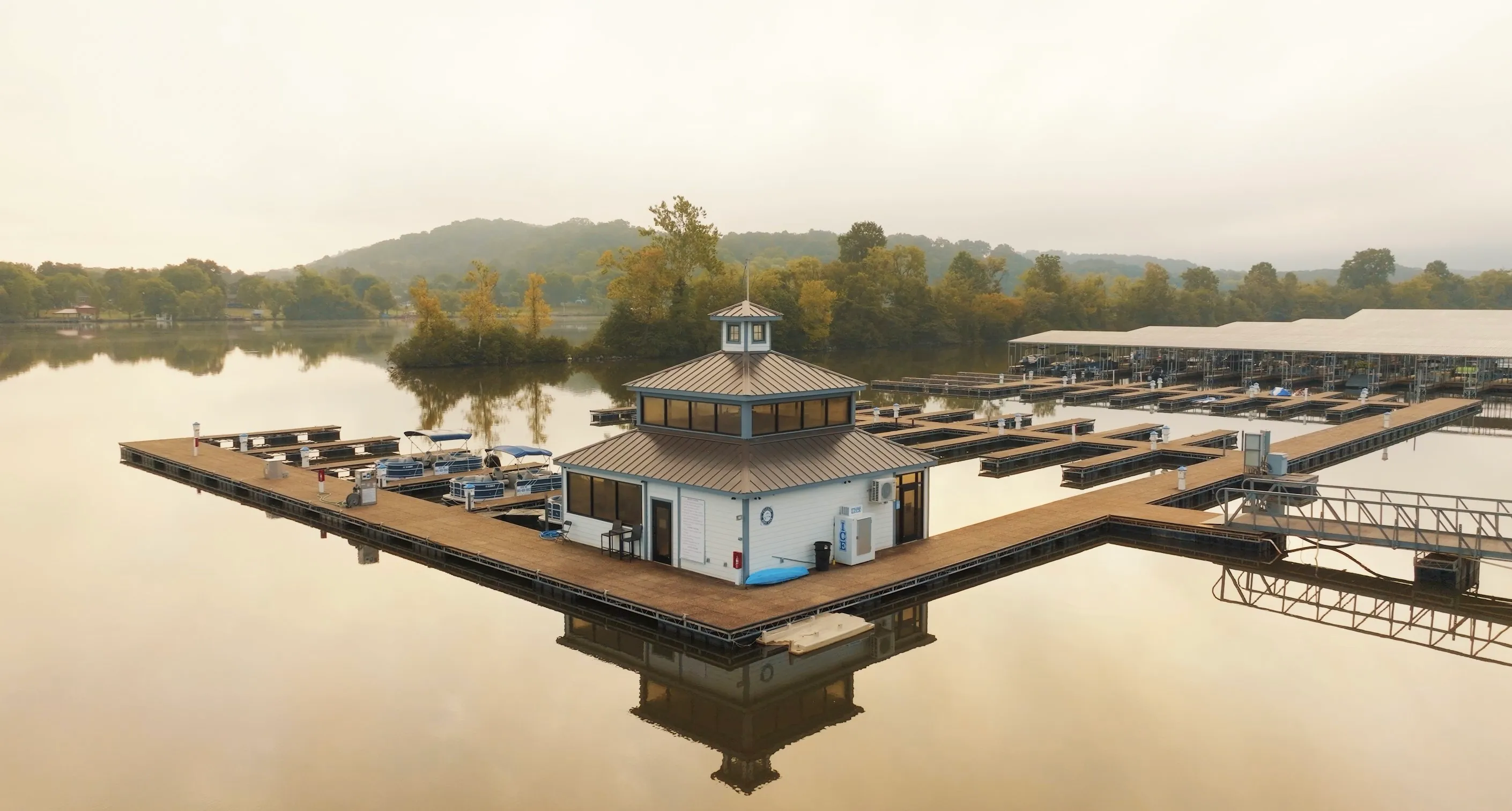
Waterfront living near Knoxville blends the serenity of nature with convenient access to urban amenities. Lakes in the region—ranging from broad reservoirs to quieter coves—offer scenic views, recreational opportunities, and a lifestyle that attracts buyers seeking relaxation, outdoor activity, or a vacation rental investment. Proximity to Knoxville means residents can enjoy cultural events, healthcare, and employment centers without sacrificing the calm that comes from waking to sunrise over water.
Several lakes within a short drive of Knoxville feature distinct personalities. Some are busy with boating and community events, while others are quieter, tucked into tree-lined shorelines and prized for privacy. Choosing the right lake and neighborhood shapes daily life: access to marinas, quality of water, noise levels, and community services all vary and should be weighed carefully during a search.
Beyond recreational benefits, lakeview properties near Knoxville often benefit from strong community ties. Many neighborhoods host seasonal festivals, farmers markets, and outdoor concerts that foster a welcoming atmosphere and neighborhood camaraderie. Additionally, local schools and infrastructure improvements continue to enhance the overall desirability of these lakefront areas, making them ideal for families and retirees alike.
Environmental factors also play an important role when selecting a home by the lake. Prospective buyers should consider the ecological health of the water body, including water quality and shoreline preservation efforts. Many communities around Knoxville’s lakes engage in conservation initiatives to maintain natural habitats and ensure sustainable enjoyment for future generations. This focus on environmental stewardship contributes to the enduring appeal of lakeview living in this region.
Understanding Waterfront Property Types
Waterfront real estate isn’t one-size-fits-all. Buyers will encounter several categories: direct lakefront properties with private shorelines and docks; near-water homes with views but shared shoreline access; and canal or cove properties that trade broad vistas for sheltered water and boating convenience. Each type carries different maintenance needs, lifestyle implications, and price points.
Lakefront parcels often command premium prices because of private access, unobstructed views, and the ability to install personal docks. Near-water properties might offer similar visual appeal but could involve shared riparian rights and homeowner association rules. Canal or cove homes can be ideal for anglers and small-boat owners, providing easy water access and reduced exposure to wakes and passing traffic.
Private Dock vs. Community Dock
The presence of a private dock increases a property’s value and convenience, but also adds responsibility. Maintenance, permitting, and seasonal adjustments may fall to the homeowner. Community docks share those costs among several property owners and may reduce individual burden, though access and scheduling could be restricted.
Undeveloped Shoreline Considerations
Some lake homes sit on undeveloped or partially developed shorelines. These plots offer opportunities for landscaping, private beaches, or conservation-focused designs. Zoning, setback rules, and shoreline stabilization regulations affect what can be built, so confirm local requirements before planning major changes.
Key Financial and Legal Considerations
Buying a lakeview home near Knoxville involves several financial variables beyond the listing price. Flood risk, insurance premiums, special assessments for shoreline or HOA maintenance, and potential dock permitting fees must be budgeted. Buyers should obtain quotes for homeowners and flood insurance early in the process to avoid surprises.
Title issues can be more complex on waterfront parcels. Riparian rights, easements for boat launches or utilities, and public access corridors sometimes encumber properties. A thorough title search and consultation with a real estate attorney familiar with Tennessee waterfront law can clarify rights and limitations before closing.
Floodplain and Insurance
Not all waterfront homes lie within the FEMA-designated floodplain, but those that do will require flood insurance and may face stricter building codes. Even properties outside mapped flood zones can experience flood events, so a professional flood-risk assessment is wise. Insurance premiums vary based on elevation, flood history, and mitigation measures taken on the property.
Permits, Riparian Rights, and Local Rules
Permits for docks, seawalls, or shoreline modifications are often managed by county or state agencies. Riparian rights—the rights to access and use the water—are governed by state laws and specific deeds. Confirm who is responsible for maintaining bulkheads or public walkway easements, and ask the seller for records of past permits or work completed on the shoreline.
Assessing the Property and Shoreline
Evaluating a lakeview home requires inspecting both the house and its relationship to the water. Buyers should assess erosion, shoreline vegetation, and the condition of any bulkheads or docks. A professional shoreline or civil engineer can identify long-term risks and estimate costs for stabilization or repairs.
Water quality and clarity matter for recreation and resale value. Algae blooms, invasive aquatic plants, or murky water may indicate upstream issues or nutrient runoff problems. Local lake management groups, county environmental offices, and neighbors can provide insight into recurring concerns and what measures are in place to manage them.
Seasonal Variations and Lake Levels
Lakes in the region can experience seasonal fluctuations in water levels. Low water may limit boating at certain times of year, while high water can influence erosion and access to docks. Understand how reservoir operations, if applicable, affect water levels and whether the property has reliable access year-round.
Noise, Traffic, and Neighboring Uses
Water recreation brings noise from boats, personal watercraft, and lakeside gatherings. Some buyers prefer lively, active lakes; others prioritize quiet coves. Visit the property at different times and days to assess traffic patterns, and ask about neighborhood events or regattas that could increase noise and activity seasonally.
Lifestyle and Local Amenities
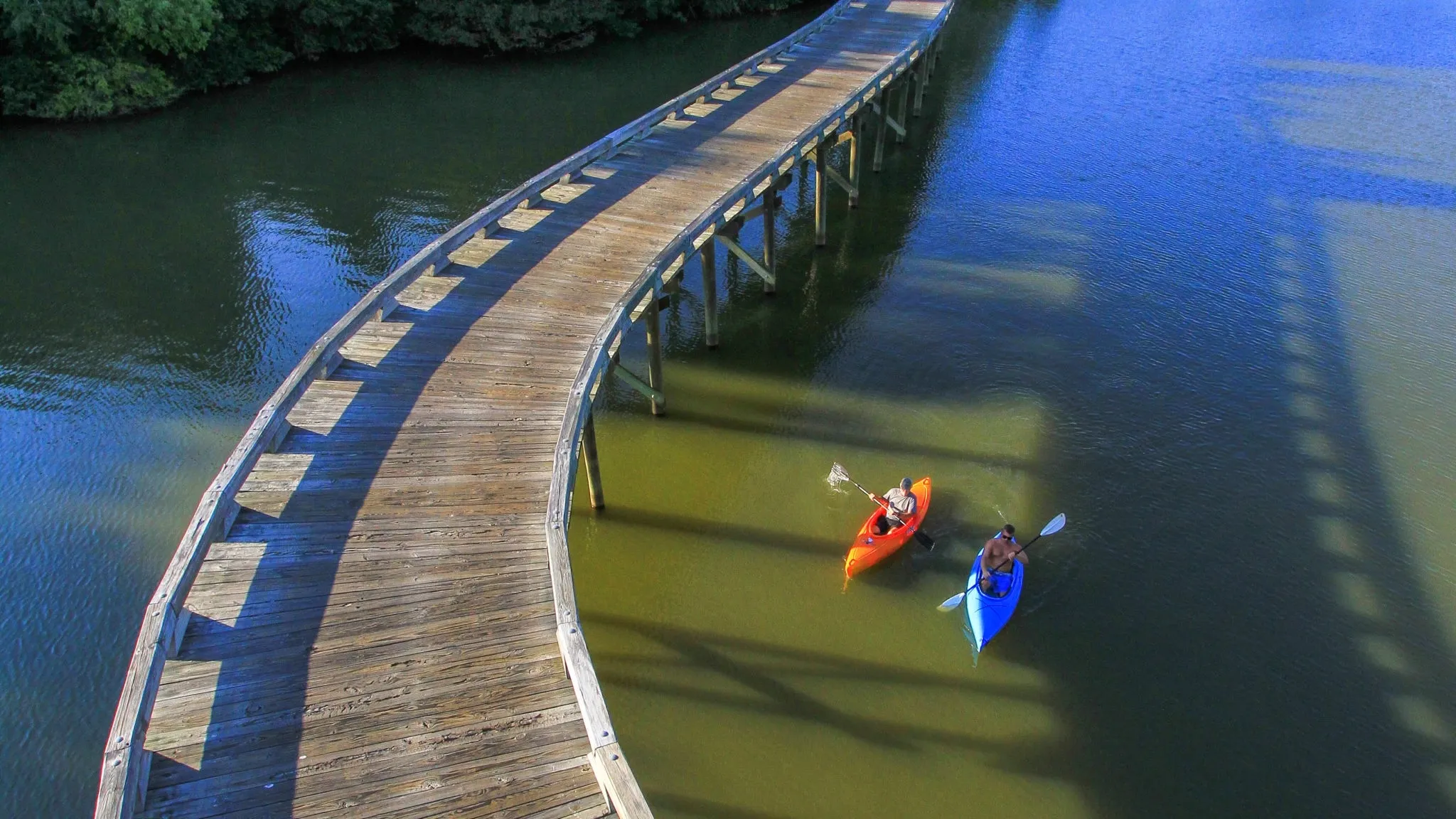
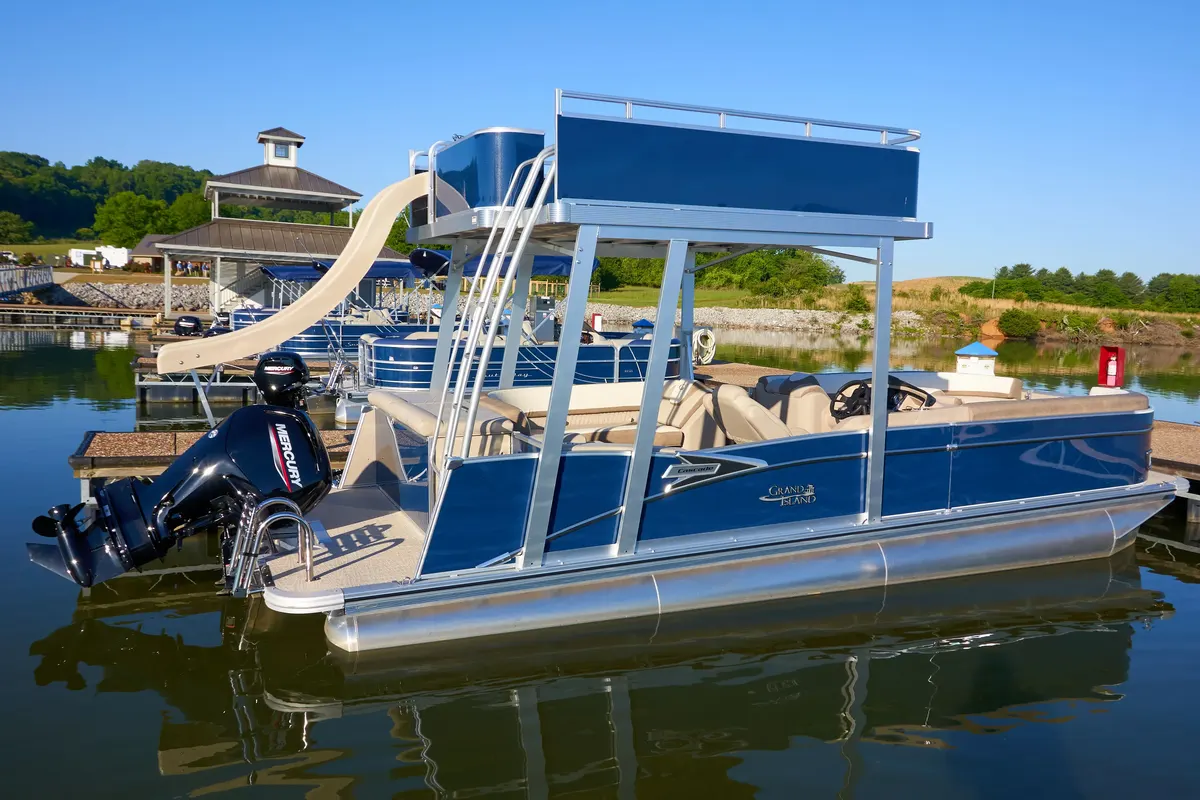
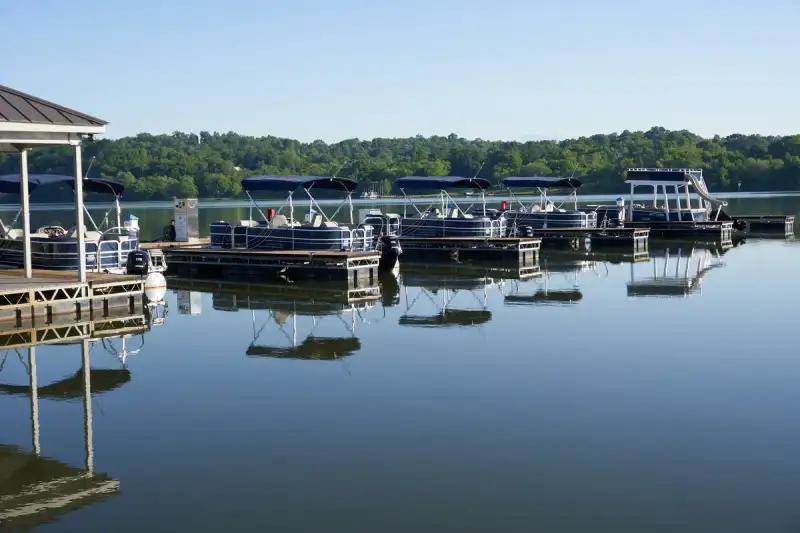
Lakeview living near Knoxville offers abundant outdoor activities: fishing, boating, kayaking, hiking, and birdwatching. Local marinas provide boat slips, fuel, and repair services, while lakeside parks and trails enhance recreational options. For families, proximity to good schools, medical facilities, and grocery stores influences daily convenience.
Beyond outdoor pursuits, the cultural and economic life of Knoxville is an asset. Museums, live music venues, restaurants, and universities are short drives away, making it feasible to enjoy both rural tranquility and urban amenities. Consider commute times to work or school when choosing a lake community.
Community and Social Life
Many lake neighborhoods host social activities like dock parties, community cleanups, and volunteer groups focused on conservation. For buyers seeking connection, these networks can foster fast friendships and shared stewardship. For those wanting quiet seclusion, research the community’s norms and HOA rules regarding events and noise.
Vacation Rental Potential
Lakeside properties near Knoxville can perform well as short-term rentals, especially if marketed for weekend getaways or fishing trips. Check local ordinances and HOA regulations about short-term rentals, and estimate occupancy, cleaning, and management costs when projecting returns. Proximity to Knoxville and recreational amenities boosts demand, but seasonal variability affects revenue.
Home Inspection Checklist for Lakeview Properties
Inspection priorities differ slightly for waterfront homes. In addition to a standard home inspection, consider specialists for the roof, foundation, and systems vulnerable to moisture and humidity. Mold, mildew, and wood rot are common in lakeside structures; a moisture inspection and air quality test can reveal hidden issues.
Electrical systems, septic or sewer connections, and well water (if present) should be evaluated. Docks and boathouses require structural inspection to ensure safe usage and to identify necessary repairs. Ask for documentation of past maintenance and any warranties on shoreline structures.
Foundation and Structural Concerns
Shoreline movement, high groundwater, and erosion can stress foundations. A structural engineer can determine if the foundation has settled or if remedial work like underpinning or improved drainage is needed. Addressing these issues early protects investment and prevents costly surprises.
Septic Systems and Wells
Many lake homes rely on septic systems and private wells. Septic inspections and pump records reveal system health and anticipated replacement timelines. Well water should be tested for bacteria, nitrates, and mineral content. If public utilities are available nearby, compare costs and benefits of converting.
Negotiation and Closing Tips
Negotiating for a lakeview home benefits from knowledge of comparable sales, lake-specific premiums, and the costs of any needed shoreline work. Buyers should request credits or price adjustments for repairs discovered during inspections, and clearly define responsibilities for dock or bulkhead work in the purchase contract.
Closing on waterfront property may require additional documentation, such as permits, proof of insurance, and statements about riparian rights. Work closely with a real estate agent experienced in waterfront sales and an attorney to ensure all contingencies are addressed and that the deed conveys the expected water access.
Timing and Contingencies
Consider financing contingencies, inspection timelines, and clear deadlines for permit transfers. Seasonal considerations—like winter when docks may be removed—can affect inspections and negotiations. Build flexibility into the closing schedule when possible.
Post-Closing Priorities
After closing, document existing shoreline conditions and structures with photos and written descriptions. Register with local lake associations, obtain necessary permits, and schedule any urgent repairs. Early investment in erosion control, landscaping, and dock maintenance preserves value and enjoyment.
Final Thoughts on Choosing the Right Lakeview Home
Lakeview living near Knoxville offers a compelling mix of natural beauty and practical convenience. Prioritizing the type of waterfront lifestyle desired—active boating versus peaceful wildlife watching, private dock versus community access—guides the search and helps narrow neighborhoods and lake choices. Thorough inspections, awareness of legal and insurance considerations, and realistic budgeting for shoreline maintenance prevent unwelcome surprises.
Working with professionals experienced in the local market—realtors, inspectors, attorneys, and engineers—ensures decisions are informed by regional knowledge and regulatory realities. With attention to water quality, shoreline stability, and community character, a lakeview home near Knoxville can be a rewarding long-term investment and a daily source of recreation and tranquility.