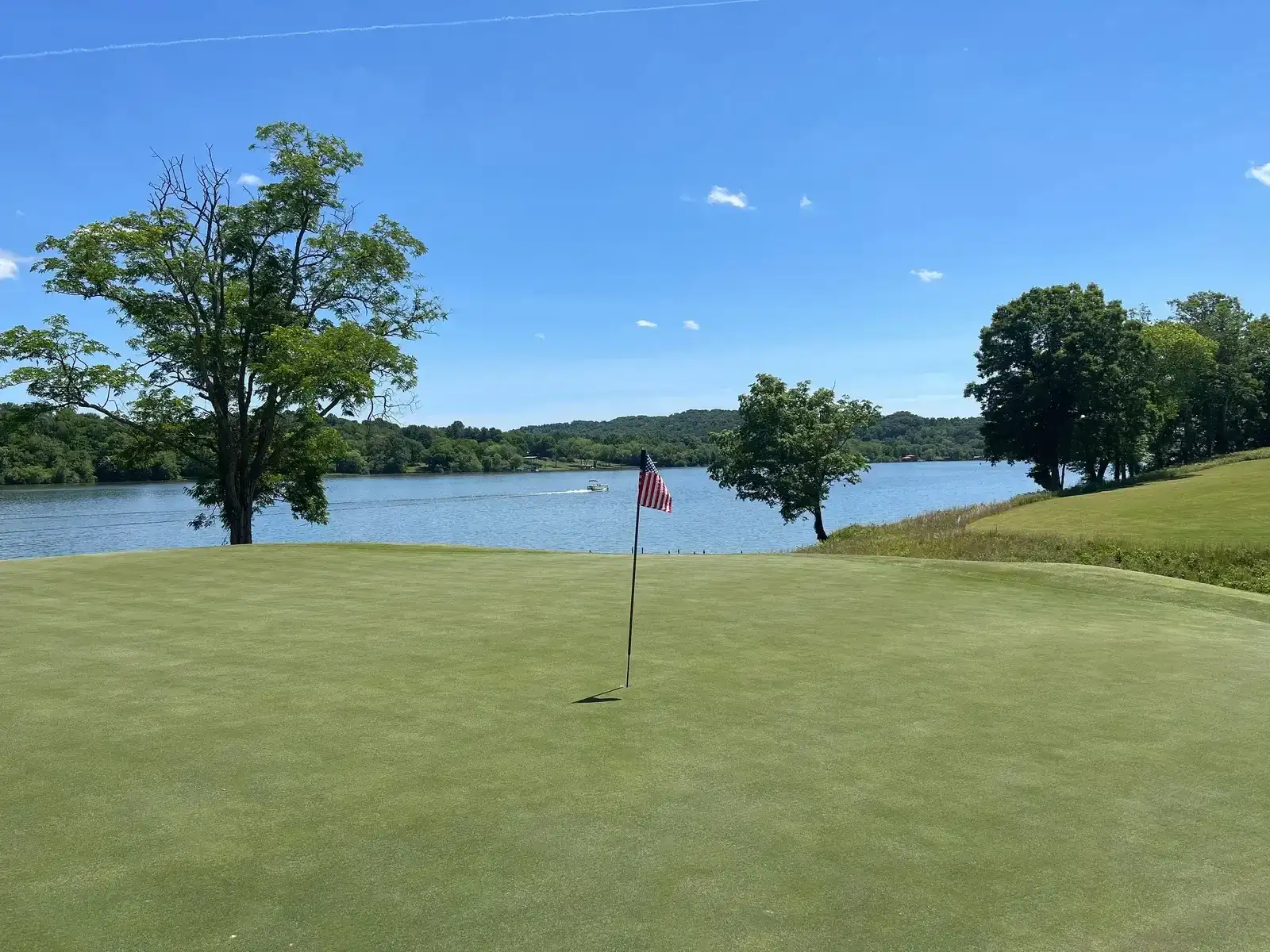

Retirement living on a lakefront lot promises scenic views, calmer days, and a closer connection to nature. The decision to move to or invest in a lakeside property during retirement requires balancing romantic appeal with practical concerns. This article explores the advantages, potential challenges, and key considerations to help make an informed choice about lakefront living in later years.
Why Lakefront Lots Appeal to Retirees
Lakefront properties often evoke images of peaceful mornings, water reflections, and outdoor leisure. For many retirees, these qualities align with goals of reducing stress, enjoying hobbies, and spending more time outdoors. The proximity to water also supports a lifestyle that encourages walking, boating, fishing, birdwatching, and casual social gatherings.
Beyond lifestyle amenities, lakefront real estate tends to have unique aesthetic and emotional value. Waking to sunrise over a lake or watching seasonal changes from a porch can contribute to a greater sense of well-being. This emotional connection can be especially meaningful in retirement, when time is more available to appreciate daily surroundings.
Another appealing factor is the sense of privacy and seclusion that lakefront lots often provide. Unlike typical suburban neighborhoods, these properties can offer more spacious lots surrounded by natural landscapes, creating a sanctuary away from the hustle and bustle. This aspect is highly desirable for retirees seeking tranquility and a personal retreat where they can unwind and recharge.
Additionally, lakefront living often encourages a slower pace and a deeper connection to nature’s rhythms. Observing wildlife, seasonal weather patterns, and water levels fosters mindfulness and appreciation for the environment. This connection can be both nurturing and inspiring, enriching the retirement experience with a profound sense of place.
Health and Well-being Benefits
Living near water can have measurable health benefits. Access to natural settings encourages physical activity like walking and light water sports, which supports cardiovascular health and mobility. Quiet natural environments also tend to reduce stress and improve sleep quality—two factors important for aging bodies and minds.
Social and Community Advantages
Lakeside neighborhoods often foster stronger neighborly connections through shared recreational interests. Community docks, walking paths, and local clubs provide low-pressure opportunities for socializing, which can help combat loneliness and enhance mental health during retirement.
Moreover, these communities frequently organize seasonal events such as fishing tournaments, potluck picnics, and nature walks that cultivate a vibrant social calendar. This active engagement not only creates lasting friendships but also encourages retirees to stay mentally stimulated and emotionally connected to their surroundings.
Transportation and accessibility can also play a role, as many lakefront areas are developed with retirees in mind, offering well-maintained roads, convenient access to healthcare facilities, and essential services nearby. These practical considerations combine with recreational opportunities to make lakefront lots a well-rounded choice for those entering their retirement years.
Financial Considerations: Cost, Value, and Taxes
Lakefront properties typically command higher prices than comparable inland lots. The premium reflects scarcity, desirable views, and lifestyle benefits. Prospective buyers should evaluate both upfront costs and long-term expenses when considering a lakefront lot for retirement.
In addition to purchase price, there are ongoing costs to account for: property taxes, homeowners association (HOA) fees if applicable, specialized insurance, and maintenance. It is important to budget realistically for these recurring expenses to avoid financial strain later in retirement.
Property Taxes and Assessments
Properties with desirable views often face higher property assessments, which lead to elevated tax bills. Tax rates vary widely by jurisdiction, and future reassessments can increase financial obligations. Investigating local tax trends and recent assessment history helps anticipate potential changes.
Insurance Costs and Flood Risk
Insurance is a major factor for lakefront homes. Flood risk, even around lakes, can drive up premiums or require separate flood insurance policies. Homeowners should obtain quotes from multiple insurers and investigate recent floodplain maps. Working with an insurance agent who understands waterfront properties can reveal coverage gaps and cost-saving strategies.
Maintenance and Upkeep Specific to Waterfront Properties
Living on a lake brings unique maintenance responsibilities compared to inland properties. Shoreline erosion control, dock upkeep, watercraft storage, and landscaping adapted to humid conditions are common items on the homeowner’s to-do list. These tasks can be physically demanding or expensive when outsourced.
Preventive maintenance mitigates larger, costlier repairs. Regular inspection of docks, seawalls, and foundation areas near the water is essential. Seasonal preparations—such as winterizing boats, securing outdoor furniture, and addressing ice or freeze-related concerns—should be planned well in advance.
Shoreline Management and Environmental Regulations
Shoreline work is often regulated to protect water quality and habitats. Local or state agencies may require permits for dock construction, shoreline stabilization, or removal of vegetation. Understanding these regulations before starting projects avoids fines and ensures compliance with conservation efforts.
Pest and Weather Impacts
Water-adjacent properties can attract insects like mosquitoes, and may see an increase in wildlife encounters. Humidity and proximity to water also influence mold, mildew, and wood rot, particularly in older structures. Regular pest control and moisture management strategies help preserve property integrity and comfort.
Accessibility and Aging in Place
The practicality of lakefront retirement depends on how well the property supports aging in place. Sloped lots, steep stairways to docks, and multi-level floor plans can become barriers as mobility changes. Prioritizing accessibility early can extend the livability of a lakefront home through retirement years.
Design Features to Prioritize
Single-level living, minimal thresholds, and wide doorways accommodate mobility aids and reduce fall risk. Slip-resistant surfaces near water features, secure handrails, and step-free access to outdoor spaces increase safety. Bathroom layouts with walk-in showers and seating options also support long-term independence.
Proximity to Healthcare and Daily Services
Access to medical care, grocery stores, pharmacies, and emergency services is critical. Remote lakefront locations may offer privacy and scenery but can be far from essential services. Evaluating driving distances, road conditions year-round, and availability of local transportation helps determine if a lakefront lot suits an individual’s health and convenience needs.
Environmental and Community Considerations
Water ecosystems are sensitive to development. Responsible lakefront living includes attention to runoff management, septic systems, and fertilizer use to prevent water quality degradation. Communities with strong environmental stewardship programs can make a positive difference in preserving the lake for future enjoyment.
Community dynamics also shape life at the lake. Some areas are year-round residential neighborhoods with active community associations; others are seasonal or vacation-oriented, which can affect social rhythms and services. Understanding the community profile helps align expectations with daily life.
Septic, Wastewater, and Runoff
Many lakefront properties rely on septic systems rather than municipal sewage. Proper maintenance and periodic inspections prevent contamination of the lake. Additionally, landscaping choices that reduce runoff—such as using native plants and permeable surfaces—help protect water quality and reduce erosion.
Community Regulations and HOA Rules
Lakefront communities often have rules about dock usage, boat speeds, noise, and architectural standards to protect property values and the environment. Reviewing HOA bylaws or local ordinances is essential before purchasing. Some retirees may appreciate the structure these rules provide, while others might find them restrictive.
Resale Value and Long-Term Investment Potential
Lakefront real estate has historically shown strong demand, but markets can fluctuate. The resale outlook depends on factors like water quality, regional popularity, accessibility, and the condition of surrounding properties. A well-maintained property in a stable or growing region offers better prospects for appreciation.
Seasonal shifts in buyer demand also influence selling timelines. Properties in vacation-heavy areas may fetch higher prices during peak seasons, while off-season listings could languish. Understanding local market cycles and working with a real estate agent experienced in waterfront sales enhances selling prospects.
Market Volatility and Local Trends
Price premiums for waterfront lots can amplify market swings. Economic downturns, changes in interest rates, or shifts in retirement migration patterns will affect demand. Researching long-term trends and speaking with local professionals gives a realistic picture of investment risk and potential.
Improvements That Increase Value
Upgrades that enhance durability, accessibility, and water access tend to be attractive to buyers. Improving docks, stabilizing shorelines, updating kitchens and bathrooms, and incorporating energy-efficient systems are investments that typically improve comfort and resale appeal.
Practical Tips for Prospective Lakefront Retirees
Making a decision about lakefront retirement living benefits from careful planning. A checklist can help compare properties and anticipate lifestyle changes. Consider the daily routines desired in retirement and how a particular lot supports those routines across seasons.
Checklist for Evaluating a Lakefront Lot
Checklist items should include: shoreline type and stability, flood history, access to municipal services, septic condition, insurance costs, HOA rules, proximity to healthcare and shopping, zoning restrictions, and local climate patterns. Viewing properties at different times of day and in different seasons reveals a fuller picture of what living there entails.
Financing and Budgeting Tips
Mortgage financing for non-primary or vacation properties can be more restrictive. Shop lenders familiar with waterfront properties and consider the impact of interest rates on retirement budgets. Include an emergency fund for unexpected repairs related to water damage or severe weather events.
Final Considerations: Balancing Romance with Reality
The allure of a lakefront lot in retirement is strong, but a thoughtful assessment of lifestyle goals, physical needs, financial realities, and environmental responsibilities is crucial. A property that supports daily comfort, long-term accessibility, and manageable upkeep will likely provide the greatest satisfaction.
Ultimately, the ideal lakefront lot for retirement is one that harmonizes natural beauty with practical living—where morning views are matched by sound planning for health, finances, and community. With careful research and realistic expectations, lakeside living can become a fulfilling chapter of retirement life.
Discover Your Ideal Lakefront Retirement Home at Tennessee National
Embrace the perfect balance of natural beauty and luxurious, practical living at Tennessee National. Our premier gated community offers stunning waterfront properties, a Greg Norman Signature Golf Course, private marina, and over 20 exclusive amenities designed to complement your retirement lifestyle. Whether you prefer a move-in ready home or a custom build, experience resort-style living with scenic trails, vibrant social clubs, and year-round events. [