Golf communities and properties with direct access to courses have become a distinct niche in the real estate market. For investors seeking steady rental income, long-term appreciation, and lifestyle appeal, golf-access properties offer a blend of tangible benefits and unique challenges. This article explores why these properties can be attractive investments and outlines practical buying tips to evaluate opportunities and mitigate risks.
Why Golf-Access Properties Appeal to Investors
Properties with golf access often sit at the intersection of lifestyle and leisure real estate. They attract a specific demographic: retirees, seasonal visitors, professionals who value recreation, and golf enthusiasts. These buyers and renters are frequently willing to pay a premium for proximity to a well-maintained course and associated amenities.
Beyond the direct appeal to golfers, golf-access communities typically offer landscaped surroundings, lower density, and a sense of exclusivity. Those attributes can enhance curb appeal and keep vacancy rates lower compared to generic suburban properties.
Moreover, golf-access properties often come with a variety of lifestyle-enhancing amenities such as clubhouses, fitness centers, swimming pools, and fine dining options. This comprehensive package appeals not only to golfers but also to families and individuals looking for a vibrant community atmosphere. Investors recognize that these added features can broaden the pool of potential tenants or buyers, thereby increasing the long-term investment appeal.
Another important factor is the social connectivity inherent in many golf communities. These neighborhoods frequently host events, tournaments, and social gatherings that build a sense of camaraderie among residents. The social fabric contributes to a stable community environment, which can translate into more consistent property values and tenant retention over time.
Higher Rental Demand and Premium Rates
Rental demand around golf courses tends to be strong, particularly in markets with seasonal tourism or large retiree populations. Short-term rentals marketed to vacationers and corporate guests can command higher nightly rates than similar non-golf properties. Longer-term leases also benefit from tenants who value stability and are prepared to pay a premium for the setting.
Strong Resale Values
Historically, properties in well-regarded golf communities have preserved value better than comparable houses in ordinary neighborhoods. Attractive landscaping, controlled development, and shared amenities contribute to sustained desirability. While market cycles affect all real estate, the cachet of golf access can cushion downside risks.
In addition, many golf-access communities employ homeowners’ associations focused on maintaining community standards and course quality. These organizations enforce rules and arrange for regular maintenance, helping to protect property values and community aesthetics over time. For investors, this organized governance offers a layer of security that less managed neighborhoods may lack.
Furthermore, proximity to prestigious golf courses often signals a desirable geographic location with access to quality schools, shopping, and dining. This broader neighborhood desirability can positively influence property appreciation beyond the intrinsic value of the golf amenities themselves, making these properties a compelling choice for long-term capital growth.
Types of Golf-Access Investment Properties
Not all golf-access properties are the same. The investment strategy should align with the type of property and the investor’s goals, whether that is steady cash flow, capital appreciation, or a combination of both.
Houses and Villas in Gated Golf Communities
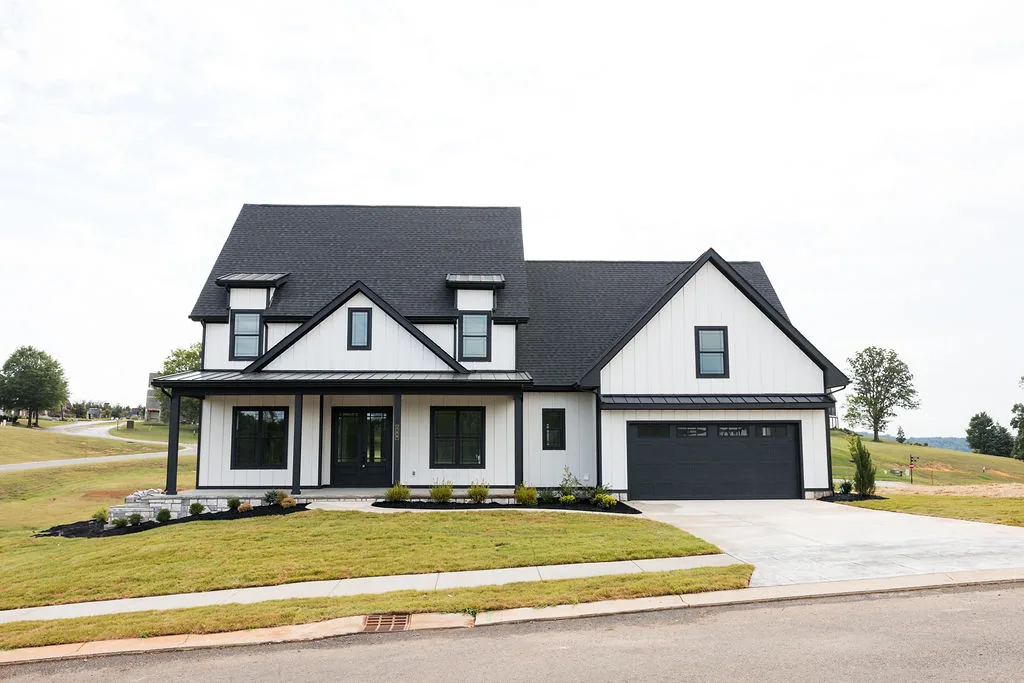
Single-family homes and villas located inside gated golf communities often provide reliable rental income and appreciation. These properties benefit from neighborhood controls and shared maintenance, which help maintain common areas and course conditions. However, homeowners’ association (HOA) fees and community rules need to be factored into returns.
Condos and Townhomes Near the Course
Condos and townhomes offer lower entry costs and reduced maintenance responsibilities, making them attractive for investors who prefer a more hands-off approach. These units can perform well as short-term vacation rentals, particularly near popular courses. HOA fee structures and short-term rental restrictions must be assessed carefully.
Properties with Private Course Memberships
Some properties include or offer access to private clubs and membership benefits. The cachet of an exclusive club can boost marketability and rental appeal. At the same time, initiation fees and recurring club dues can be significant and should be included in the total cost analysis.
Key Benefits Beyond Golf Play
The advantages of investing in golf-access properties extend beyond the immediate draw of the course. Many of the secondary benefits contribute meaningfully to the property’s long-term performance and appeal.
Amenities and Community Infrastructure
Golf communities often come with golf-related amenities like clubhouses, pro shops, dining options, fitness centers, and swimming pools. These features make properties more attractive to renters and buyers who seek convenience and a cohesive lifestyle package.
Scenic Views and Open Space
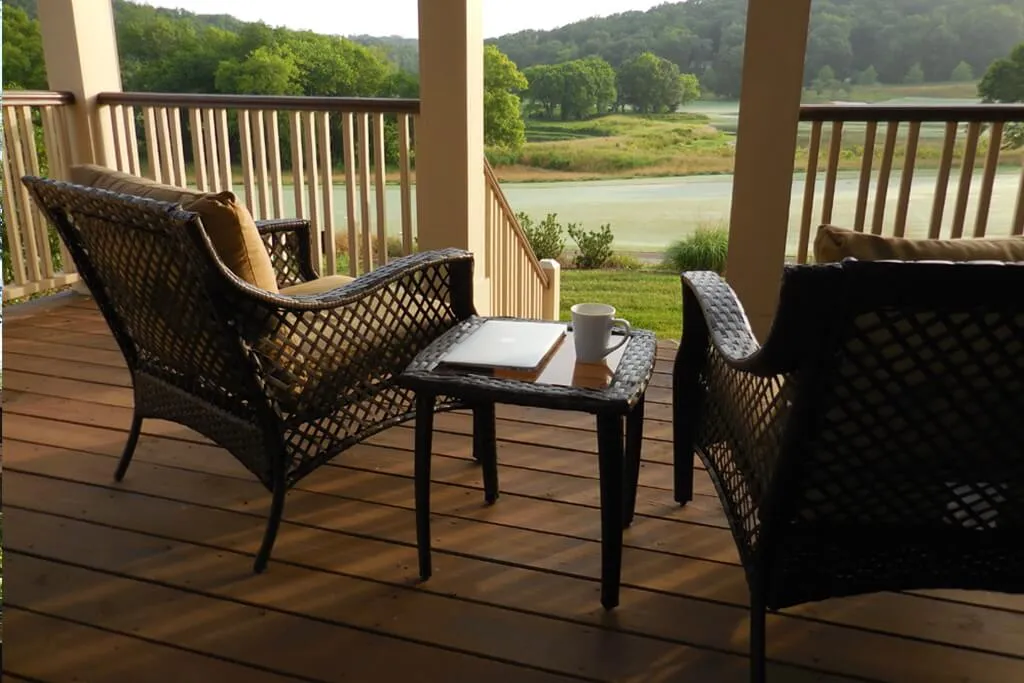
Courses typically create open vistas, preserved green space, and fewer high-density developments nearby. Those elements enhance privacy and can create a serene setting that appeals to a broad audience, including non-golfers who appreciate the aesthetic and recreational benefits.
Stable Demographics and Community Management
Golf communities often attract stable demographics, such as retirees and established professionals, which can reduce tenant turnover. Professional community management and homeowner associations can also ensure property standards remain high, indirectly protecting investment values.
Risks and Challenges to Consider
Investing in golf-access properties is not without risks. Market shifts, course closures, HOA friction, and maintenance liabilities can all influence returns. Understanding these risks and planning around them is crucial to making a sound investment.
Course Viability and Financial Health
Courses and clubs require steady revenue to remain viable. Economic downturns, poor management, or declining membership can lead to reduced course maintenance, increased fees, or even closures. A declining course can negatively impact surrounding property values and demand.
HOA Rules and Special Assessments
Homeowner associations may impose rules, fees, and assessments that affect profitability. Special assessments for course improvements or infrastructure projects can be costly. Investors should thoroughly review HOA documents and past assessment history to gauge future financial exposure.
Market Saturation and Seasonal Demand
Areas with many golf-access properties may face competition that compresses rental rates. Additionally, markets that rely heavily on seasonal tourism can experience off-season vacancies. Diversifying tenant types and marketing strategies helps mitigate these cycles.
Due Diligence Checklist for Buyers
Proper due diligence separates good investments from problematic ones. Before making an offer, investors should verify a range of legal, financial, and physical factors to ensure the property aligns with investment objectives.
Inspect the Course and Club Operations
Visit the course at different times, observe maintenance standards, and research the club’s membership trends. Speak with the course superintendent or club management when possible to learn about planned renovations, revenue sources, and membership stability.
Review HOA Documents and Restrictions
Obtain and review the covenants, conditions, and restrictions (CC&Rs), bylaws, and recent minutes of HOA meetings. Pay attention to rental restrictions, short-term rental policies, pet rules, and any pending assessments or litigation. These items can materially affect rental income and resale value.
Analyze Financial Metrics Carefully
Calculate net operating income, cap rate, cash-on-cash return, and projected appreciation. Include HOA fees, club dues, insurance, and maintenance costs in expense estimates. Sensitivity analyses with different occupancy and rental rate scenarios help assess downside risk.
Check Zoning and Development Plans
Research local zoning laws and any planned developments near the course. New construction, commercial projects, or a repurposed course can change the neighborhood dynamic. Understanding future plans helps avoid unpleasant surprises that could reduce desirability.
Financing and Tax Considerations
Financing options and tax implications for golf-access investments can differ from conventional rentals. Smart structuring of the purchase and operations can improve cash flow and after-tax returns.
Loan Types and Lender Requirements
Traditional mortgages, portfolio loans, and investment property loans are common choices. Some lenders may scrutinize properties inside HOA-managed communities more closely, requiring larger down payments or higher interest rates. Demonstrating rental history and stable cash flow makes financing easier to obtain.
Tax Benefits and Depreciation
Rental properties benefit from depreciation deductions, which can shelter income and improve after-tax returns. Cost segregation studies can accelerate depreciation on certain components. Consult a tax professional to align depreciation strategies with local tax rules and to understand passive loss limitations that might apply.
Insurance and Liability
Insurance needs for golf-access properties may include liability coverage for stray golf balls, clubhouse activities, and community events. Verify coverage limits and exclusions, and consider umbrella policies to protect against catastrophic claims. Insurance costs should be factored into the overall budget.
Property Management and Marketing Strategies
Effective management and targeted marketing increase occupancy and maximize rental revenue. The approach should reflect the property’s target audience and regional demand patterns.
Professional Management vs. Self-Management
Hiring a local property manager can streamline operations, especially for investors who do not live nearby. Managers experienced with golf communities understand seasonality, guest expectations, and HOA coordination. Self-management can save costs but requires time and knowledge of local regulations.
Targeted Marketing for Niche Audiences
Marketing should highlight course proximity, views, and community amenities. Target golfers, tournament participants, corporate retreats, and retirees. High-quality photography, testimonials, and partnerships with the club or local tourism boards can boost visibility and booking rates.
Maintenance and Upkeep Priorities
Routine maintenance that preserves curb appeal and functionality is essential. Landscaping that complements the course, timely repairs, and seasonal updates keep the property competitive. Budget for ongoing improvements that enhance guest experience and justify premium rates.
Final Considerations Before Buying
Golf-access properties can be rewarding investments when approached with careful analysis and realistic expectations. Align the property type with investment goals, factor in community governance and course health, and build conservative financial models that account for seasonality and potential volatility.
Working with local real estate agents, experienced property managers, and tax professionals familiar with golf communities will streamline the buying process and reduce surprises. With due diligence and prudent management, a property with golf access can be both a lifestyle asset and a solid component of an investment portfolio.
Discover Your Ideal Golf-Access Investment at Tennessee National
Ready to explore a luxury golf community that complements your investment goals and lifestyle desires? Tennessee National offers exceptional homes alongside a Greg Norman Signature Golf Course, private marina, waterfront dining, and over 20 member amenities designed for both relaxation and active living. Whether you seek a move-in ready residence or a custom build, our premier gated community provides a unique opportunity to invest in a vibrant, resort-style environment. [