Investing in lakeside real estate can combine strong financial returns with lifestyle appeal. Properties near water often enjoy high demand, seasonal rental potential, and a degree of scarcity that supports long-term value. However, the unique challenges of waterfront ownership — from zoning rules to erosion risks — require a careful approach. This guide walks through the practical steps needed to identify, evaluate, and secure the best lake-adjacent investment property.
Understand Why Lake Properties Are Different
Not all real estate markets behave the same. Lakeside properties have characteristics that can amplify both upside and downside compared with typical suburban or urban investments.
First, shoreline is limited. The finite supply of true waterfront parcels creates built-in scarcity. Second, buyer pools differ: vacationers, retirees, and buyers seeking a primary residence with strong leisure amenities are typical. These groups influence demand cycles and pricing behavior. Finally, environmental and regulatory factors—floodplains, riparian rights, and local conservation laws—play an outsized role in what can be built and how a property can be used.
Moreover, the unique lifestyle appeal of lake properties impacts value in ways that conventional metrics might miss. Proximity to water offers recreational opportunities such as boating, fishing, and swimming, which often drive buyers’ emotional connections to the property. This can sustain property values even during broader market downturns, provided the natural environment remains healthy and accessible. Conversely, changes in water quality or access rights can quickly erode these benefits, making due diligence on environmental trends critical.
Another distinctive aspect involves insurance considerations. Due to their exposure to flooding and storm damage, many lakefront properties require specialized insurance policies, which can be more expensive and complex than typical homeowner coverage. These costs must be factored into the overall investment analysis alongside potential zoning restrictions that might limit expansions or renovations to maintain the integrity of the lakeside ecosystem.
Seasonality and Cash Flow
Rental income for lake properties is often seasonal. Peak months can deliver excellent nightly rates, while off-season occupancy may drop. A realistic cash-flow model accounts for the seasonality of demand, utility increases, seasonal maintenance, and property management costs.
Maintenance and Weather Risks
Properties near water face specific maintenance needs: moisture-related wear, docks and seawalls that require upkeep, and vulnerability to wind and storms. Understanding these recurring costs up front reduces surprises and protects investment returns.
Clarify Investment Goals and Constraints
Clearly defined objectives guide every subsequent decision. Different goals — short-term flip, long-term rental appreciation, or vacation-home rental hybrid — require different property types, locations, and financing approaches.
Set parameters around budget, desired return metrics (cash-on-cash, cap rate), acceptable levels of hands-on management, and time horizon. Investor preferences for capital appreciation versus steady rental income will shape which markets and property features are suitable.
Risk Tolerance and Liquidity Needs
Risk tolerance affects whether to choose a fixer-upper with upside potential or a turnkey rental that starts producing income right away. Liquidity needs determine how quickly an investor must be able to access cash — an important consideration since lakeside properties in niche markets can take longer to sell.
Tax and Legal Considerations
Consultation with a tax professional helps assess implications like occupancy taxes, potential deductions for rental property, and how local regulations affect short-term rental legality. Zoning and easement issues can materially affect both usage and resale value.
Research Lake Markets Like a Pro
Market research for lake properties requires combining traditional real estate metrics with local knowledge about recreation, access, and infrastructure.
Start by identifying lakes with stable or growing tourism, reliable water quality, and proximity to urban centers for demand support. Smaller, remote lakes may offer lower prices but higher vacancy risk. Conversely, popular lakes near major metropolitan areas often sustain year-round demand and premium pricing.
Evaluate Local Demand Drivers
Look at nearby attractions: marinas, hiking trails, golf courses, and seasonal festivals. Access to an airport or major highway increases appeal to out-of-town renters. Year-round employment centers nearby reduce seasonality and support long-term appreciation for properties used as primary residences.
Analyze Comparable Sales and Rental Market
Perform a comparative market analysis (CMA) to determine fair purchase price. For rental potential, review comparable short-term rental listings, average occupancy rates, and nightly rates during peak and off-peak seasons. This data helps build realistic income projections rather than optimistic assumptions.
Choose the Right Type of Lake Property
Different property types appeal to different investment strategies. Single-family homes, condos, duplexes, and cabin-style rentals each carry distinct advantages and trade-offs.
Single-family lake homes often command higher prices but attract families and long-term renters. Condominiums can offer lower maintenance burdens and access to shared amenities, but HOA rules may restrict short-term rentals. Multi-unit properties can diversify income streams and provide economies of scale for management and maintenance.
True Waterfront vs. Near-Water Access
True waterfront properties — those with direct shoreline access — typically demand a premium. They also tend to have higher insurance and maintenance costs. Near-water properties without private shoreline access may be more affordable yet still benefit from proximity to activities and views, especially if public access or community docks are nearby.
Fixer-Upper or Turnkey?
Fixer-uppers allow for value-add strategies through renovations and repositioning, often producing higher returns for hands-on investors. Turnkey properties minimize immediate effort and may attract consistent bookings. Evaluate renovation timelines, local contractor availability, and permitting timelines when considering a renovation project.
Perform Thorough Financial Analysis
Numbers tell the true story. Financial diligence should include upfront costs, ongoing operating expenses, and conservative revenue estimates.
Include acquisition costs (closing, legal fees, inspections), short- and long-term maintenance, insurance (including flood or wind coverage if required), property management fees, utilities, HOA dues, and local taxes. When projecting rental income, underwrite using a conservative occupancy rate and buffer for vacancy and unexpected repairs.
Key Metrics to Track
Calculate cap rate (net operating income divided by purchase price) and cash-on-cash return (annual pre-tax cash flow divided by cash invested). Internal rate of return (IRR) helps compare investments with different cash flow patterns over time. Ensure financing costs are factored in — higher leverage raises both potential returns and risk.
Financing Options and Insurance
Financing waterfront properties sometimes requires specialized loan products or higher down payments due to perceived risk. Lenders may require more conservative loan-to-value ratios. Insurance needs — including flood, windstorm, and umbrella policies — should be obtained before closing because premiums can be material.
Inspections, Environmental, and Legal Due Diligence
Due diligence for lake properties must go beyond a standard home inspection. Environmental and structural risks related to water proximity need professional evaluation.
Hire inspectors experienced in waterfront construction to assess foundations, docks, seawalls, and septic systems. Soil erosion, shoreline stability, and water intrusion history are critical. Review municipal records for floodplain designations, permit histories, and any upcoming zoning changes that could affect property use or value.
Seawalls, Docks, and Riparian Rights
Understanding who is responsible for shoreline structures — the owner or a municipality — is essential. Seawalls and docks can be expensive to repair or rebuild, and permits may be required for modifications. Clarify riparian rights, such as usage of the water, boat docking, and access to common areas when buying waterfront property adjacent to shared or community ownership.
Water Quality and Algae Concerns
Water quality issues, like harmful algal blooms, can reduce rental demand and require costly remediation efforts. Local health departments often monitor water quality; obtain recent reports and speak to neighbors about historical conditions to assess risk.
Plan for Management and Guest Experience
Great guest experience drives repeat bookings and positive reviews. Operational planning reduces hassle and preserves property value.
Decide whether to self-manage or hire a professional property manager. A local management company can handle bookings, check-ins, cleaning, and emergency repairs, which is especially valuable for remote investors. Strong communication protocols, clear house rules, and a maintenance schedule prevent minor issues from becoming costly problems.
Enhancements That Boost Appeal
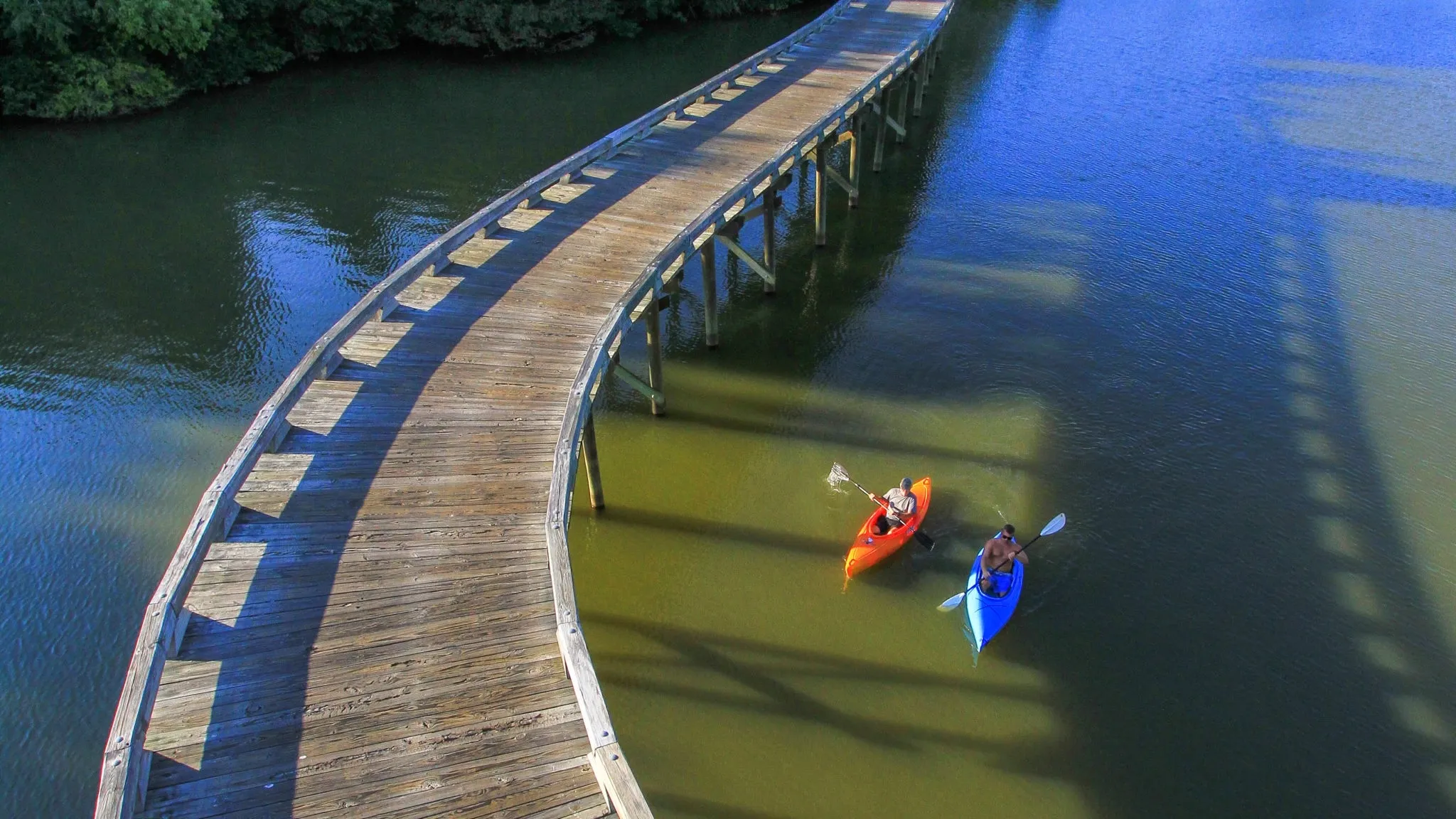
Small investments often yield outsized returns: a well-equipped kitchen, comfortable bedding, thoughtful outdoor spaces, and reliable Wi-Fi are consistently mentioned in top rental reviews. Safe, attractive access to the water—like a maintained path and a secure dock—greatly increases desirability.
Marketing and Pricing Strategy
Competitive photography, detailed listings, and transparent pricing build trust with guests. Dynamic pricing that adjusts for seasonality, local events, and occupancy trends maximizes revenue without deterring bookings. Consider partnerships with local businesses for guest discounts or experiences that set the property apart.
Have an Exit Strategy and Long-Term Plan
Liquidity and exit planning are part of responsible investment. Understand how easily the property could be sold if market conditions change, and what kinds of buyers might be interested at exit.
Evaluate potential future buyers: other investors seeking rental income, families seeking primary residences, or buyers looking for a vacation home. Improvements that broaden appeal—neutral finishes, flexible sleeping arrangements, and stable infrastructure—make resale easier. Tax considerations, such as capital gains strategies and 1031 exchange eligibility, should be part of the long-range plan.
Market Timing and Holding Period
Waterfront properties often appreciate over the long term, but short-term market cycles can be volatile. Define an expected holding period aligned with financial goals and risk tolerance. Flexibility to convert between short-term rentals and long-term leases can provide tactical options when market conditions change.
Conclusion: Combine Data, Local Knowledge, and Realistic Expectations
Finding the best investment property near a lake depends on a blend of careful financial analysis, local-market research, and attention to the particular risks and rewards of waterfront ownership. A successful investment aligns clear goals with the right property type and a plan for management, maintenance, and eventual exit.
Approach each opportunity with a thorough checklist: confirm market demand, verify legal and environmental status, estimate realistic revenue and costs, and secure appropriate insurance and financing. With disciplined due diligence and a focus on guest experience, lakeside properties can deliver both strong returns and enduring appeal.
Discover Luxury Lakefront Living at Tennessee National
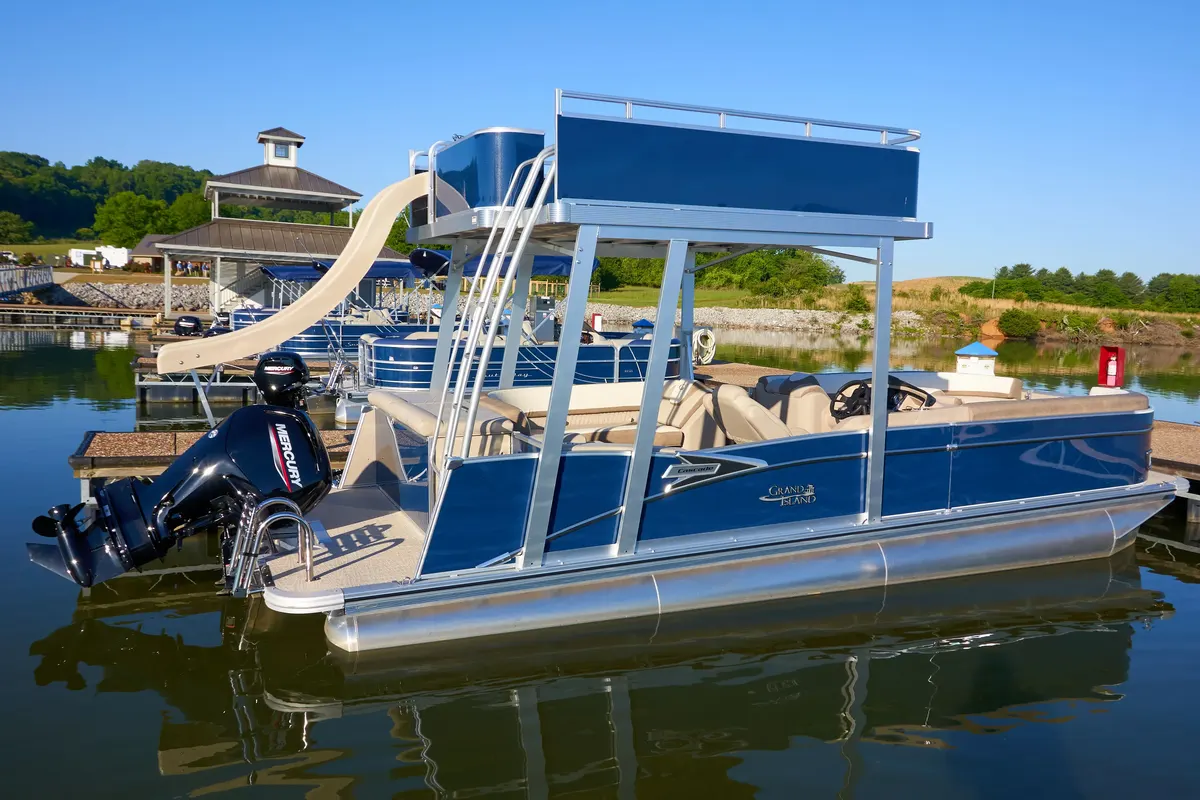
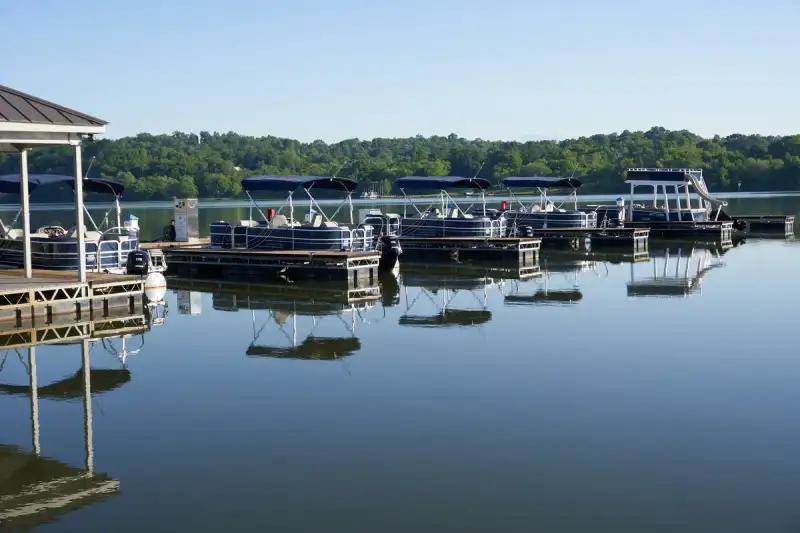
Ready to invest in a premier lakeside property that combines natural beauty with luxury amenities? At Tennessee National, enjoy waterfront dining, a private marina, and a Greg Norman Signature Golf Course—all within a secure, gated community. Whether you seek a move-in ready home or a custom build, our resort-style living offers the perfect blend of comfort and recreation. [