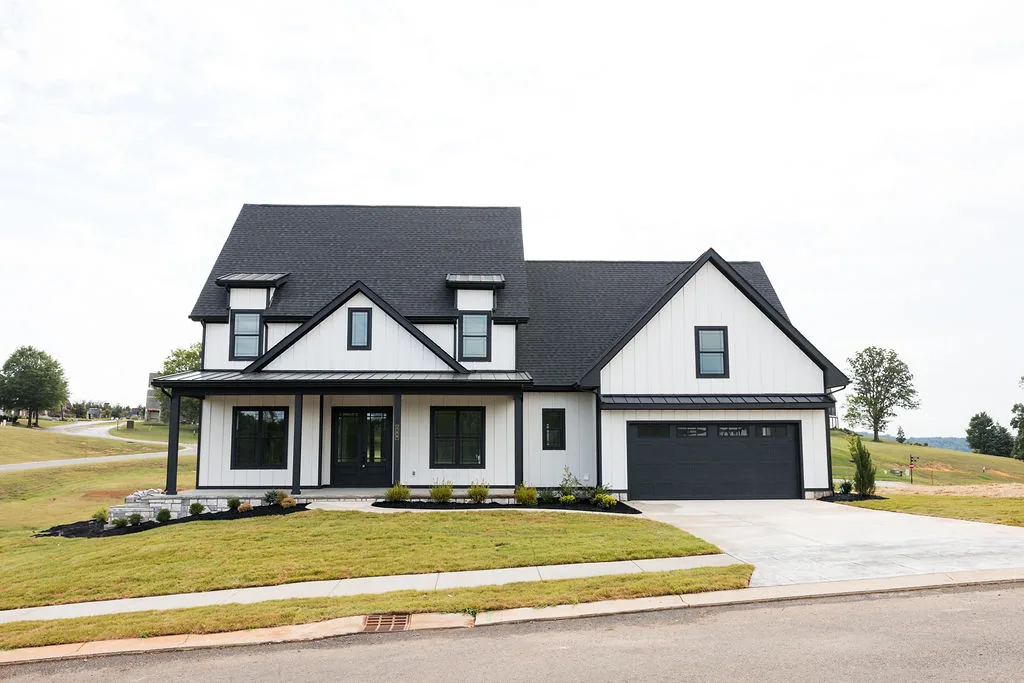

Luxury real estate operates at the intersection of lifestyle, status, and investment potential. For investors considering this space, the approach differs from conventional rental properties or standard residential flips. This guide breaks down the considerations, risks, and strategies that define successful investment in high-end properties, with an emphasis on practical steps and real-world thinking.
Understanding the Luxury Real Estate Market
Luxury real estate is defined less by a strict price threshold and more by attributes: top-tier locations, exceptional design, premium amenities, and scarcity. Markets shift over time; what qualifies as “luxury” in one city may be entry-level elsewhere. Recognizing the elements that create enduring value is the first step toward a successful investment.
Buyers and tenants in the luxury segment prioritize privacy, convenience, craftsmanship, and brand cachet. Properties in this tier often command not only higher prices but also different marketing channels and service expectations. Understanding client motivations—whether status, convenience, lifestyle, or long-term wealth preservation—helps align acquisition and management strategies.
Macro and Micro Market Dynamics
Macro factors such as interest rates, global capital flows, taxation policies, and geopolitical stability influence luxury markets distinctly. High-net-worth individuals (HNWIs) react to currency swings, visa rules, and political climates when choosing destinations for property purchases. Micro dynamics—neighborhood reputation, school districts, and local development plans—can make or break a luxury investment in ways that differ from mainstream housing.
Furthermore, emerging trends such as environmental sustainability and smart home technologies are increasingly shaping luxury real estate preferences. Buyers are not only investing in aesthetic and location but also in energy efficiency, green building certifications, and integrated digital features that enhance security and convenience. This evolution reflects a deeper commitment to lifestyle quality and future-proofing assets amid shifting societal values.
Supply Scarcity and Differentiation
Scarcity often underpins luxury value. Limited waterfront lots, historic mansions, and penthouses in iconic towers retain appeal because they cannot be easily replicated. Differentiation through architectural significance, renowned interior designers, or bespoke services also supports pricing power and resilience in downturns.
In addition, the provenance and story behind a property can significantly elevate its desirability. Residences with celebrity ownership, landmark status, or unique cultural relevance tend to attract premium attention. Developers and sellers increasingly leverage such narratives alongside state-of-the-art craftsmanship to create an emotional connection with prospective buyers, reinforcing exclusivity and justifying top-tier valuations.
Investment Strategies for Luxury Properties
Investment objectives shape strategy. Some investors seek capital appreciation through development or high-end renovations; others target steady income via short-term luxury rentals, branded residences, or managed leases. Each pathway requires tailored due diligence and operational readiness.
Buy-and-Hold for Capital Appreciation
Long-term buy-and-hold strategies rely on location quality and market trends. Properties in global gateway cities or exclusive resort enclaves often appreciate over decades. Stable political environments, ongoing demand from international buyers, and limited new supply contribute to long-term value growth. Holding costs are higher in luxury segments—taxes, insurance, and maintenance require careful forecasting.
In addition, investors must consider macroeconomic factors such as currency fluctuations and changes in tax policy that can impact return on investment. Regular market reassessment ensures the property remains positioned to capitalize on emerging luxury trends, such as integration of smart home technology or sustainable design elements that increasingly attract affluent buyers. Establishing relationships with local real estate agents and international brokers can also provide early access to off-market opportunities that deliver superior appreciation potential.
Value-Add Renovation and Repositioning
Repositioning a luxury property demands expertise: designers, architects, and contractors who specialize in high-end finishes and compliance with historic preservation rules if applicable. Well-executed renovations can significantly expand the buyer pool and command premium pricing, but budget overruns and misjudging buyer taste pose major risks.
Moreover, identifying market gaps—whether converting dated layouts into open-concept spaces or adding luxury wellness amenities like private gyms and spa areas—can dramatically increase appeal. Investors should also analyze neighborhood dynamics to ensure the repositioned asset aligns with emerging lifestyle patterns, such as remote work demands or growing preferences for outdoor entertaining areas. Engaging brand consultants or luxury lifestyle experts can enhance the property’s prestige and marketing effectiveness.
Short-Term and Seasonal Rentals
Luxury short-term rentals can generate exceptional nightly rates but require high-touch service, marketing to affluent travelers, and consistent 5-star experiences. Locations matter—proximity to cultural centers, exclusive events, or natural attractions supports seasonal demand. Regulatory landscapes for short-term rentals also vary widely and can alter profitability overnight.
Successful operators often invest in premium furnishings, curated guest experiences, and partnerships with concierge service providers to differentiate their offerings. Leveraging digital platforms with advanced yield management tools allows dynamic pricing strategies that optimize occupancy and revenue across peak and off-peak periods. Additionally, maintaining exemplary online reputations through guest reviews is crucial, as the luxury traveler places significant weight on reputation and exclusivity when selecting accommodations.
Evaluating Properties: Metrics That Matter
Evaluations for luxury properties use both standard investment metrics and additional qualitative assessments. While cap rates, cash-on-cash returns, and comparable sales remain useful, intangible factors and future-proofing carry extra weight in the luxury space.
Comparables and Price Transparency
Comparable sales are less plentiful in luxury markets, and off-market transactions are common. That reduces price transparency, requiring reliance on specialist brokers, market reports, and private networks. Accurate valuation demands triangulating public records, private sales intelligence, and local expert insights.
Operating Costs and Net Yield
Luxury homes incur unique operating costs: concierge and security services, landscaping for extensive grounds, specialized HVAC systems, art insurance, and frequent maintenance on bespoke finishes. Net yield calculations must include these line items to avoid overestimating returns.
Liquidity and Exit Considerations
High-end properties can take longer to sell, and market windows may be narrower. Exit planning should factor in flexible timelines, staging costs, and the possibility of employing targeted marketing or auction strategies to reach suitable buyers. Tax implications, including capital gains and potential residency or inheritance rules, must be mapped out early.
Financing and Risk Management
Financing luxury properties often differs from standard mortgages. Loan-to-value ratios can be lower, and lenders scrutinize income sources, asset liquidity, and the property’s marketability. Private banks and specialty lenders may offer tailored products, but terms can be stringent.
Leverage and Structuring
Leverage amplifies returns but also magnifies downside. Conservative leverage is common in luxury investing to manage volatility. Structuring ownership through legal entities like LLCs or trusts can provide liability protection, estate planning benefits, and tax planning flexibility, but professional advice is essential to navigate regulations and cross-border complexities.
Insurance and Asset Protection
Comprehensive insurance extends beyond property damage to include liability, art and jewelry coverage, and specialized policies for historic properties. Risk management also includes contingency reserves for unexpected restoration or legal disputes. Private security, disaster preparedness, and climate risk assessments are increasingly part of prudent asset protection.
Design, Amenities, and Tenant Experience
A luxury property’s design quality and amenity offering directly influence desirability and rental rates. Thoughtful investment in finishes, smart-home technology, and curated experiences can create loyal, long-term tenants or command top-tier purchase prices.
Timeless Design vs. Trendy Upgrades
Timeless design focusing on quality materials and classic proportions tends to outlast fleeting trends. However, selective trendy elements—state-of-the-art kitchens, spa-like bathrooms, or dedicated home offices—can be incorporated in ways that appeal to contemporary buyers while maintaining enduring appeal.
Service and Lifestyle Amenities
Concierge services, private gyms, wine cellars, indoor-outdoor living spaces, and staff quarters add measurable value. Branded residences and partnerships with luxury hotel operators can elevate property appeal but often include management fees and brand requirements that affect margins.
Due Diligence and Professional Advisors
Due diligence in luxury real estate is extensive. Background checks on the property’s chain of title, zoning and easement reviews, environmental assessments, and thorough inspections for structural and systems integrity are essential. Advisors with relevant experience minimize risk and uncover opportunities.
Choosing the Right Team
Successful luxury investments rely on a multidisciplinary team: specialized real estate brokers, tax and estate attorneys, architects, interior designers, and property managers experienced with high-net-worth clients. Vetting these professionals for track records in similar projects ensures alignment with investment goals.
Legal and Tax Considerations
Cross-border transactions bring complex legal and tax issues, including withholding taxes, residency implications, and reporting requirements. Structures for ownership can reduce exposure but must be compliant with anti-money-laundering rules and local regulations. Ongoing tax advice helps preserve returns through changing laws.
Trends Shaping Luxury Property Investments
Emerging trends influence where and how luxury investors allocate capital. Awareness of these forces helps anticipate demand shifts and identify neighborhoods or property types poised for appreciation.
Remote Work and Lifestyle Shifts
The rise of remote work has broadened demand for luxury properties outside traditional urban cores. Spacious homes with dedicated offices, private amenities, and appealing natural settings are increasingly sought after by buyers prioritizing lifestyle and privacy.
Sustainability and Resilience
High-net-worth buyers increasingly value sustainability: energy-efficient systems, resilient construction, and certifications that demonstrate environmental stewardship. Investments in green technologies and resilient design not only reduce operating costs but also enhance marketability to a growing segment of eco-conscious buyers.
Technology and Smart Homes
Integrated home automation, biometric security, and advanced audio-visual systems are expected in many luxury properties. Technology investments must balance cutting-edge appeal with ease of use and future upgradeability to avoid obsolescence.
Practical Checklist for Prospective Investors
Before committing capital to a luxury property, work through a concise checklist to ensure key issues are addressed and risks are quantified. This helps avoid common pitfalls and aligns expectations with market realities.
Essential checklist items include: thorough market analysis; realistic operating and renovation budgets; verified comparables or broker opinions of value; financing terms and contingency plans; legal and tax structuring; and a vetted management plan for rentals or resale pathways.
Additionally, evaluate personal objectives—whether the property will be used seasonally, held purely as an investment, or blended personal use with rental activity. Clear objectives dictate the most appropriate acquisition and operating strategies.
Conclusion: Balancing Passion and Prudence
Investing in luxury real estate combines financial acumen with an appreciation for design, location, and lifestyle. The potential rewards—both monetary and experiential—are significant, but so are the complexities. Success rests on rigorous due diligence, conservative financial planning, and partnerships with seasoned professionals who understand the particular dynamics of high-end markets.
Approaching luxury property as a long-term asset class, rather than a quick flip, typically yields the most sustainable outcomes. With careful selection, thoughtful upgrades, and prudent management, luxury real estate can diversify a portfolio while delivering a distinct lifestyle premium.
Discover Luxury Living at Tennessee National
Elevate your investment in luxury real estate by exploring Tennessee National, where exquisite design meets resort-style amenities in a premier gated community. From a Greg Norman Signature Golf Course to private marina access and over 20 exclusive member benefits, Tennessee National offers unparalleled lifestyle opportunities tailored to your vision. Whether seeking a move-in ready home or a custom build,