
Finding an affordable investment property that generates steady returns while minimizing risk takes more than luck. It requires a strategy that blends market research, creative financing, effective property management, and a realistic understanding of costs and tenant demand. This article lays out practical, actionable strategies for buyers who want to build a portfolio of affordable homes without overextending themselves or sacrificing long-term growth potential.
Define Investment Objectives and Constraints
Before hunting for properties, clarity on investment goals is essential. Some buyers prioritize cash flow to cover monthly expenses, while others seek long-term appreciation or tax-advantaged wealth accumulation. Knowing whether the aim is immediate income, long-term equity, or a mix of both shapes location choices, property types, and financing approaches.
Constraints such as available capital, risk tolerance, time commitment for management, and preferred exit timeline should be documented. A budget that includes down payment, closing costs, initial repairs, and a reserve for vacancies and unexpected repairs helps prevent unpleasant surprises. Setting measurable criteria — target cap rate, minimum gross rent multiplier (GRM), or acceptable renovation budget percentage — narrows the search and speeds decision-making.
Establish Clear Financial Metrics
Use conservative assumptions when calculating cash flow projections. Factor in realistic vacancy rates, insurance, property taxes, and maintenance. Typical metrics to monitor include net operating income (NOI), cap rate, cash-on-cash return, and debt service coverage ratio (DSCR). These metrics provide a consistent basis for comparing deals and deciding which properties fit the overall strategy.
Choose Markets That Support Affordable Homes
Market selection is the foundation of successful affordable housing investment. Look for areas with stable or growing employment, diversified local economies, and demographic trends supporting rental demand, such as an influx of younger workers or rising single-household formation. Secondary and tertiary markets often offer lower entry prices and higher yields compared with overheated coastal metros, but research local fundamentals carefully.
Affordable homes do well in neighborhoods undergoing gradual revitalization rather than speculative booms. These places can offer steady rent growth and less competition from institutional buyers. Evaluate school quality, transportation access, crime trends, and local government incentives or restrictions that could affect property values and landlord responsibilities.
Leverage Data and Local Knowledge
Combine online market data (rent trends, vacancy rates, employment figures) with on-the-ground insights from local agents, property managers, and community members. Online platforms provide a high-level view, but local sources reveal tenant preferences, seasonal rental patterns, and typical repair costs. Attend community meetings or network with other investors to gain perspective on upcoming zoning changes, new developments, or infrastructure projects.
Identify the Right Property Types for Affordability
Affordable investment properties come in many shapes: single-family homes, duplexes and triplexes, small apartment buildings, or even manufactured homes and accessory dwelling units (ADUs). Each has trade-offs in terms of management complexity, tenant turnover, and per-unit economics. For smaller budgets, duplexes and triplexes often strike a balance between cash flow and manageability, allowing owner-occupancy to reduce financing costs while generating rental income from other units.
Single-family rentals tend to attract long-term tenants like families seeking stable neighborhoods, while small multifamily properties offer higher per-door income and economies of scale for maintenance. Manufactured homes and modular units can be cost-effective to acquire or build, particularly where lot prices are affordable. Evaluate local landlord-tenant laws and insurance availability for each property type before buying.
Consider Value-Add Opportunities
Affordable homes with clear value-add potential enable better returns without necessarily increasing market risk. Look for properties requiring cosmetic upgrades or minor layout changes rather than major structural repairs. Energy-efficiency improvements, kitchen and bathroom refreshes, adding off-street parking, or converting unused space into an ADU can raise rents and tenant appeal. Price the renovation timeline and costs conservatively to avoid eroding projected returns.
Creative and Conservative Financing Strategies
Financing is a critical determinant of overall return. Traditional conventional loans are suitable for many buyers, but creative financing can expand purchasing power or improve cash flow. Strategies include using FHA loans for multi-unit owner-occupied purchases, seller financing, subject-to existing mortgage arrangements, and partnerships. For small-scale affordable housing, FHA 203(k) or similar renovation loans allow acquisition plus rehab under a single mortgage, preserving cash reserves for further improvements.
Leveraging low down payments can increase cash-on-cash returns but also raises leverage risk; balance is essential. Establish pre-approval with a lender who understands investment property underwriting and local market nuances. Lock in fixed-rate mortgages where possible to protect against interest-rate volatility, and ensure that debt service coverage remains healthy even under stress scenarios like higher vacancy or unexpected repairs.
Use Grants, Incentives, and Tax Strategies
Local governments and non-profit organizations sometimes offer grants, tax abatements, or low-interest loans for affordable housing projects and rehabilitations. Research programs that support energy-efficient upgrades, historic property renovations, or the creation of affordable rental units. Additionally, leveraging tax advantages such as depreciation, 1031 exchanges, and cost segregation can enhance after-tax returns and accelerate portfolio growth when used wisely with professional guidance.
Minimize Operating Expenses Without Compromising Quality
Controlling ongoing expenses is as important as maximizing income. Efficient property management reduces turnover, lowers repair costs through preventative maintenance, and ensures timely rent collection. Standardizing vendor contracts for routine services like landscaping and HVAC maintenance can reduce costs and improve response times. Implementing a reserve schedule for major systems (roof, siding, HVAC) prevents crisis repairs that erode profitability.
Utilities, insurance, and property tax assessments should be reviewed annually. Shopping for competitive insurance and appealing tax assessments where appropriate can materially improve net operating income. Consider energy-efficient upgrades and smart home devices that reduce utility consumption and appeal to tenants who value lower monthly costs.
Tenant Screening and Lease Design
Quality tenants reduce turnover and property wear. Develop consistent screening criteria for income, rental history, and background checks to select reliable renters. Structured leases that clearly outline maintenance responsibilities, late-payment penalties, and rules regarding property upkeep set expectations and protect the investment. For affordable housing, offering lease add-ons such as bundled utilities or optional short-term repair services can be attractive and stabilize income.
Plan for Hands-On Versus Passive Management
Decide whether to self-manage or hire a professional property manager. Self-management saves on fees and provides closer control but requires time, temperament, and systems for maintenance, tenant relations, and legal compliance. Property managers add cost, typically 6-10% of monthly rent, but bring expertise, vendor networks, and lease enforcement that may improve net returns for owners who prefer passive income.
Investors with small portfolios may start managing properties directly to understand local operations, then outsource as holdings scale. When selecting a manager, evaluate experience in the specific property type and market, responsiveness, tenant retention rates, and transparency in reporting.
Technology and Systems
Adopt property-management software and digital tools to streamline rent collection, maintenance requests, accounting, and tenant communications. Automating routine processes reduces errors and saves time, freeing attention for sourcing new deals or overseeing renovations. Use cloud storage for leases and important documents and maintain clear workflows for vetting applicants and tracking repair history.
Exit Strategies and Portfolio Growth
Every investment should have a planned exit strategy. Options include hold and operate for cash flow, refinance and pull out equity for additional purchases, sell after value-add renovations, or 1031 exchange into larger properties. A defined exit timeline helps align property selection and financing choices; for instance, short-term holds favor renovations that quickly increase rent, while long-term holds prioritize durable tenant demand and neighborhood stability.
Scaling a portfolio of affordable homes benefits from a repeatable acquisition process: target markets, preferred property types, financing partners, and renovation playbooks. Establishing relationships with local agents, contractors, and lenders creates deal flow advantages and reduces per-property transaction costs. Consider forming joint ventures with experienced partners to access capital or expertise without taking on full operational responsibility.
Stress-Test Scenarios
Run downside scenarios to understand how properties perform under higher vacancy, rent declines, or increased interest rates. Stress testing reveals whether reserves are adequate and whether the portfolio meets minimum return thresholds under adverse conditions. Conservative assumptions protect against overleveraging during favorable cycles and make long-term growth more sustainable.
Ethical and Community Considerations
Investing in affordable homes intersects with community wellbeing. Ethical landlords maintain properties, respond to tenant needs, and comply with local health and safety codes. Responsible investment practices improve tenant retention and reputation, which can translate into lower vacancy and maintenance costs over time. Consider partnerships with local housing organizations to support tenant services or offer lease-to-own options that help renters build equity.
Affordable housing investments should balance profit motives with respect for neighborhoods. Avoid aggressive buy-and-hold strategies that neglect maintenance or rent hikes that displace vulnerable residents. Long-term success depends on being viewed as a reliable, fair landlord who contributes positively to community stability and quality of life.
Wrap-Up: A Practical Roadmap
Successful investment in affordable homes combines careful market selection, disciplined underwriting, creative financing, efficient operations, and ethical management. Start with clear objectives, establish conservative financial metrics, and pursue properties with realistic value-add potential. Use local data and trusted partners, leverage programs and tax strategies where appropriate, and maintain reserves to weather downturns. With patience and a repeatable process, building an affordable housing portfolio can deliver meaningful cash flow, equity growth, and community benefits.
These strategies create a resilient foundation for buyers aiming to enter or expand in the affordable housing market. Thoughtful planning, disciplined execution, and continuous learning will increase the probability of long-term success while contributing to stable, accessible housing in communities that need it.
Discover Affordable Luxury Living at Tennessee National
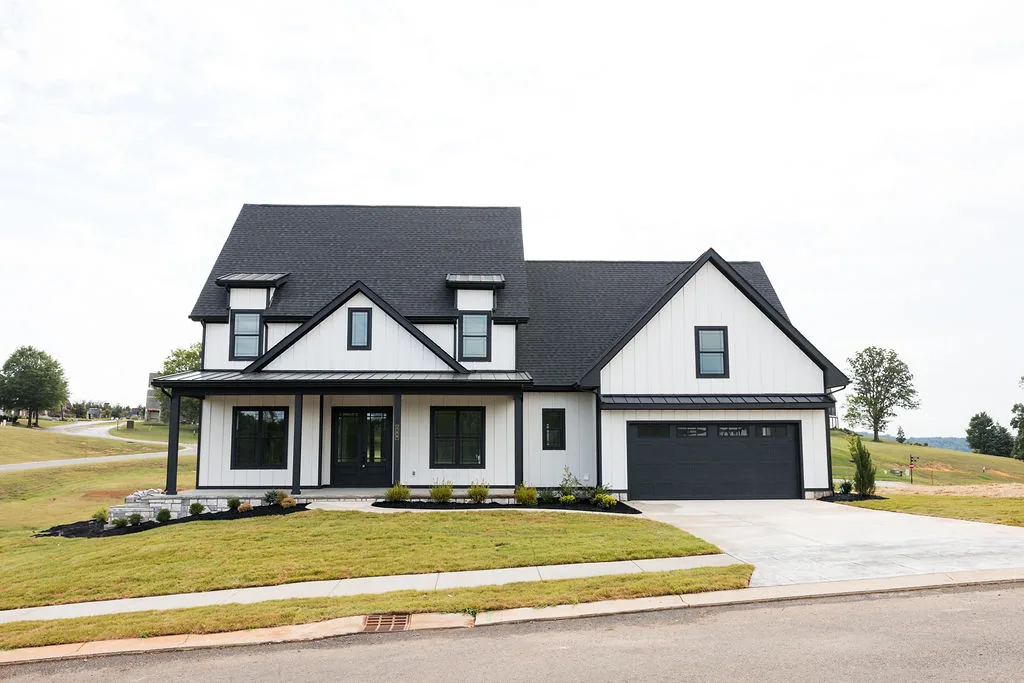
Ready to invest in affordable homes without compromising on lifestyle? Tennessee National offers the perfect blend of smart investment and exceptional living in a premier gated community. With options for move-in ready or custom homes, plus exclusive amenities like a Greg Norman Signature Golf Course and private marina, you can enjoy resort-style comfort while building lasting value. [