The Allure of Lakeside Golf Living
Living near a lake reshapes the way golf fits into daily life. The gentle shimmer of water, the breeze carrying the scent of pine, and the changing light across early morning fairways create a backdrop that pulls the game into a richer sensory experience. For many, the combination of water and turf turns a routine round into a restorative ritual.
Beyond aesthetics, lakeside courses tend to offer varied topography and microclimates that keep the game interesting. Designers often use the shoreline to craft holes that demand strategic thinking, while players gain visual relief and mental clarity from the open vistas. This setting encourages playing for pleasure as much as for score.
Daily Routines That Fit the Lifestyle
Morning walks to the first tee become a staple, with many residents finding that rising with the sunrise and teeing off early provides a balanced start to the day. A pre-round routine might include a short stretch session, a focus on breathing to steady nerves, and a quick practice on putting greens while the course is still quiet. These rituals extend beyond physical readiness, anchoring time to nature and community rhythms.
Afternoons and evenings near the lake often center on leisure and recovery. Post-round gatherings at a clubhouse terrace or a dockside picnic allow for relaxed conversation, cooling down muscles and socializing in equal measure. When storms roll in or fairways are closed for the day, casual fitness—walking the shoreline, cycling trails, or light yoga—keeps activity levels consistent without requiring golf-specific time.
Weekday Play and Flexible Schedules
Flexible work arrangements make weekday tee times more accessible, and lakeside communities frequently accommodate staggered schedules with twilight rates or residents-only booking windows. This flexibility reduces the pressure to rush through a round and encourages more mindful play, where enjoyment and skill development take precedence over competitive timing.
Weekend Rituals and Family Time
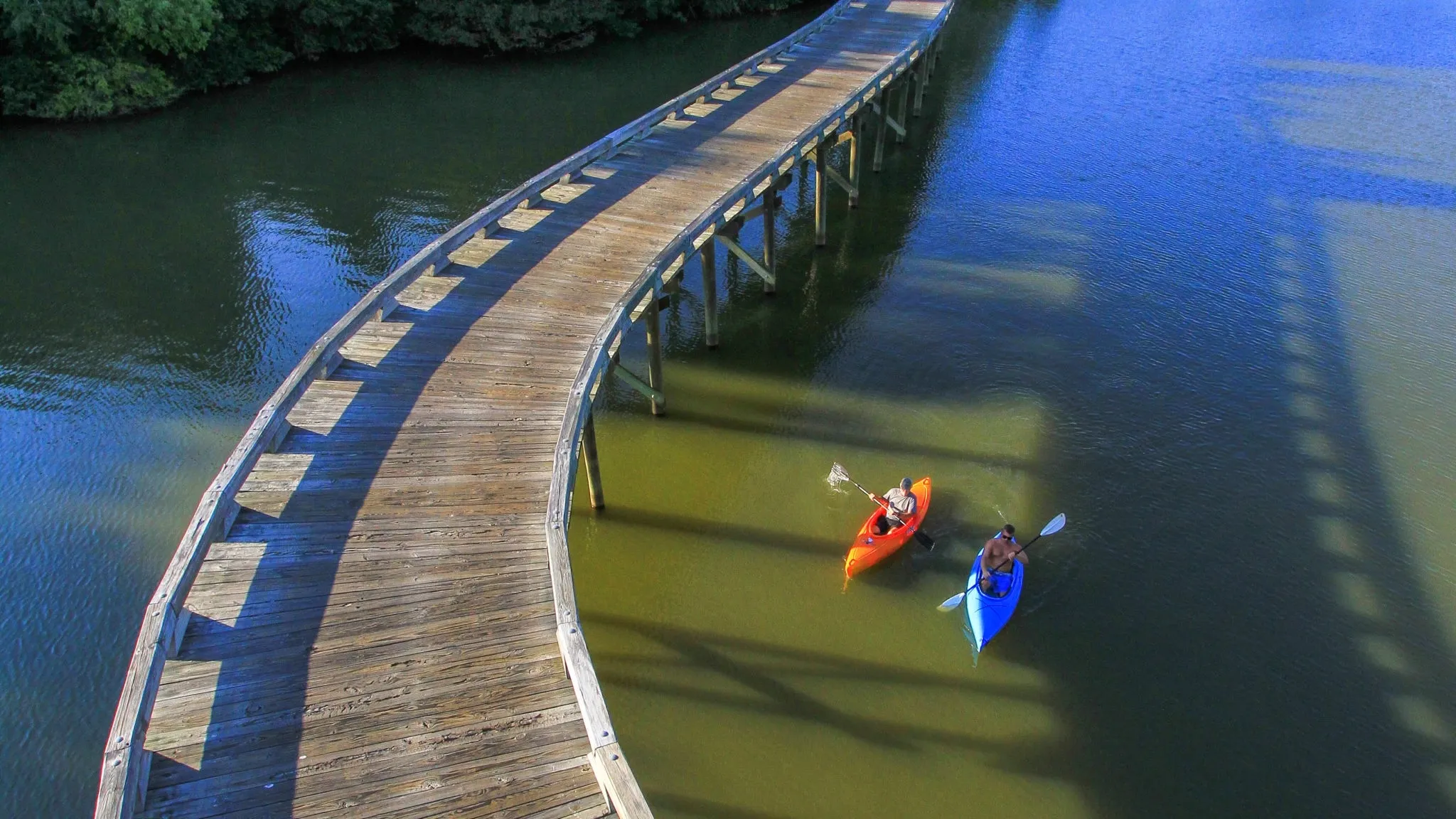
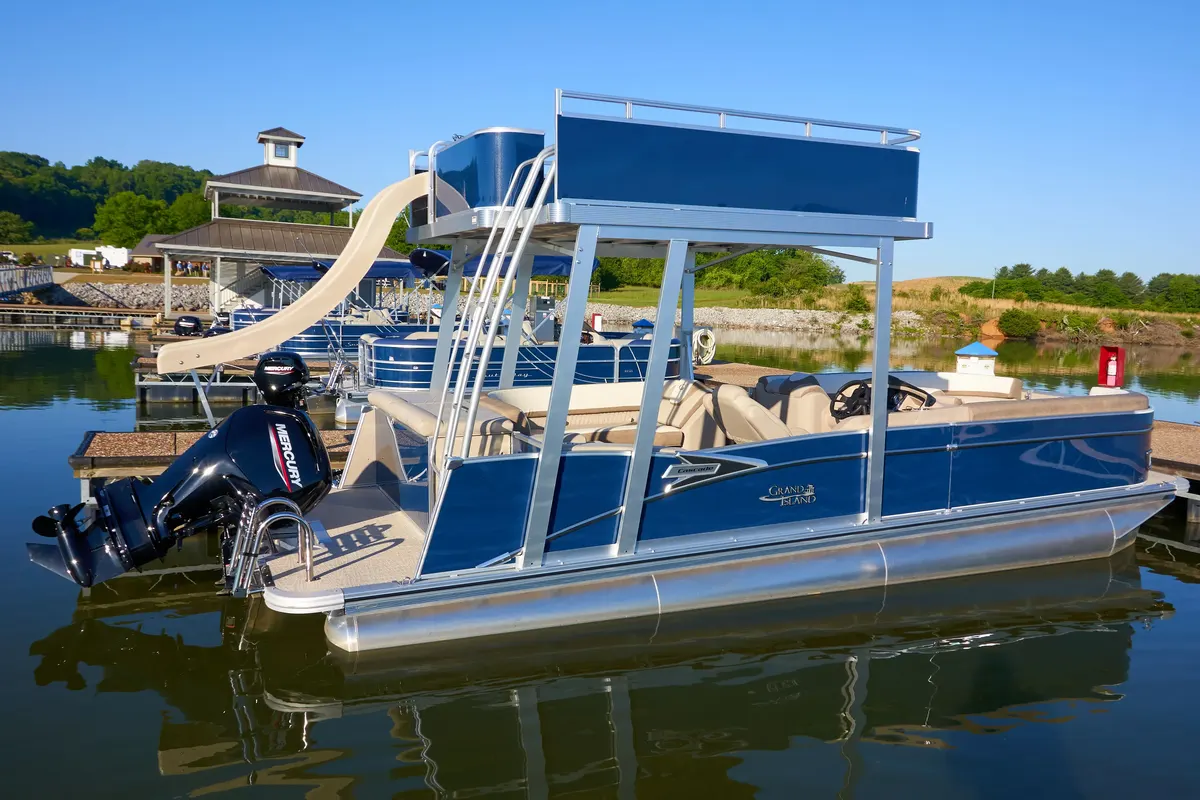
Weekends often morph into family-focused events: junior golf clinics, pro-shop demos, and casual family scrambles. The proximity to water adds options—boating, fishing, and lakeside cookouts—making the weekend a multi-activity opportunity where golf is one thread in a broader tapestry of leisure.
Design and Course Features That Complement Lake Living
Lakeside courses are frequently designed to integrate the natural terrain and water features, creating holes that reward strategic thinking rather than brute force. Bunkers, narrow fairways, and doglegs that follow the shoreline encourage shot placement, while island greens and penalty areas add a visual drama that heightens each stroke’s significance.
Vegetation choices influence both playability and aesthetics. Native grasses, hardwood stands, and riparian buffers create habitat for wildlife while reducing maintenance water demands. These design choices enhance biodiversity and create a sense of continuity between the course and the surrounding ecosystem.
Wind and Weather Considerations
Wind off the lake changes club selection and strategy. Gusts can make short approach shots tricky and demand adaptability. Players who embrace these conditions often find their all-around skills improve faster than on inland courses. Moreover, morning fog or evening breezes add an atmospheric dimension that makes each round feel unique.
Course Maintenance and Environmental Stewardship
Maintaining a course near a body of water requires thoughtful environmental practices. Integrated pest management, reduced chemical inputs, and strategic irrigation scheduling protect water quality and sustain playable turf. Many communities invest in rain gardens, buffer zones, and native plantings to minimize runoff and foster a healthy lakeshore.
Housing and Community: Living Where the Game Is Part of the Neighborhood
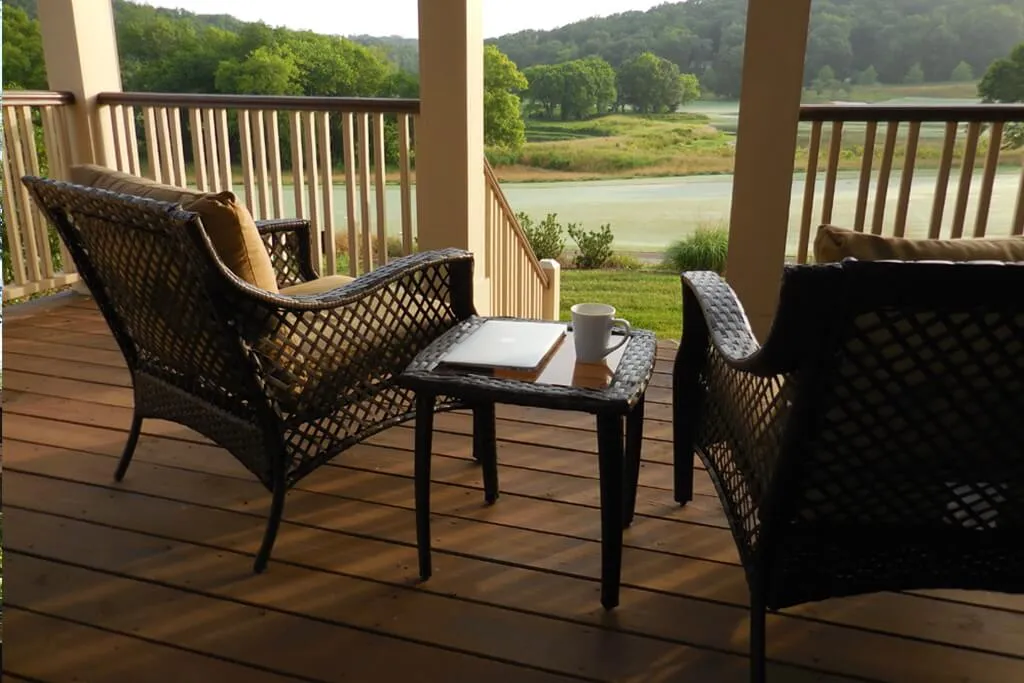
Homes near lakeside courses often emphasize seamless indoor-outdoor living. Large windows, screened porches, and patios facing the fairways allow residents to watch rounds unfold and feel connected to the landscape. Properties may range from cozy cottages to luxury estates, but the shared theme is a lifestyle that prioritizes access to both water and greens.
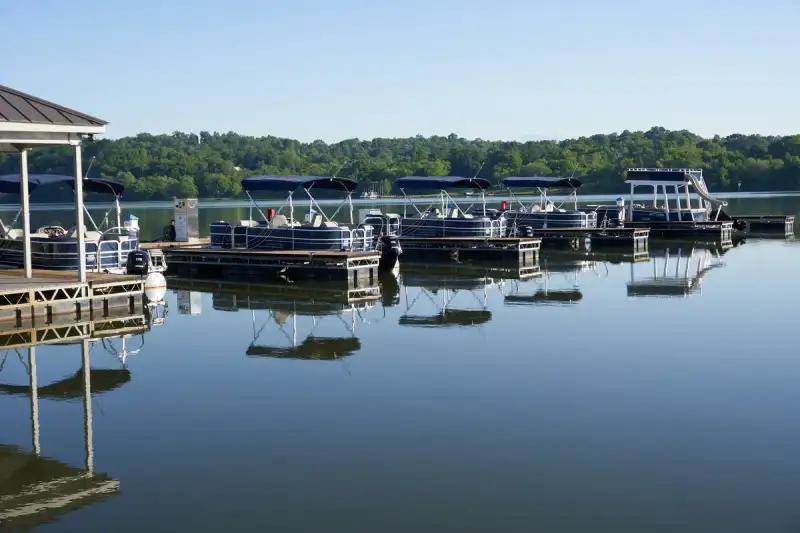
Community amenities expand beyond the course itself. Walking trails, marinas, playgrounds, and communal grills create spaces where neighbors meet. Homeowners associations typically coordinate events—seasonal tournaments, charity drives, and holiday gatherings—that build rapport and keep the social calendar lively. For many residents, the neighborhood becomes an extended clubhouse.
Real Estate Considerations
Buying property near a golf course and lake involves balancing the benefits of views and access against factors like HOA fees, maintenance requirements, and flood or erosion risk. Prospective buyers should review course policies, membership structures, and long-term master plans to understand how the community will evolve.
Privacy and Play: Finding the Right Balance
Not everyone wants a golf ball in their backyard, so property orientation and landscaping play crucial roles in maintaining privacy. Berms, shrub lines, and strategic tree plantings can shield homes from stray shots while preserving sightlines to the lake. Thoughtful design ensures the best of both worlds: access to amenities without sacrificing solitude.
The Social Fabric: Clubs, Events, and Hidden Traditions
Social life around lakeside courses often thrives on tradition. Weekly mixers, couples’ nights, and men’s and women’s leagues provide structure for regular interaction. These events range from serious competition to light-hearted gatherings where the emphasis is camaraderie and shared enjoyment of the environment.
Charity tournaments and community fundraisers are common, often tying the love of the game to broader civic goals. Such events enhance the community’s public presence and create a shared sense of purpose beyond recreation.
Junior Programs and Family Engagement
Junior golf initiatives are a cornerstone of sustaining the golf lifestyle. Clinics, mentorship programs, and family-oriented events make the sport accessible to younger generations. When paired with swimming lessons, nature camps, and seasonal festivals, these programs help cultivate a multi-generational community rooted in outdoor activity.
Food, Drink, and Clubhouse Culture
Clubhouses near the lake frequently emphasize casual, fresh menus that complement the outdoor setting. Light fare, local produce, and seafood options fit the ambiance, while patios and decks allow meals to be enjoyed with a view. Food becomes another way to connect—post-round lunches, twilight happy hours, and holiday brunches form part of the daily rhythm.
Equipment, Practice, and Improving Without Pressure
Living near a course invites more deliberate practice. Short-game areas, chipping greens, and on-course practice holes allow focused work that translates quickly to lower scores. Regular, low-pressure practice sessions—rather than marathon ranges—often yield the most meaningful improvement.
Equipment choices can reflect preference rather than necessity. Players tend to favor clubs that offer forgiveness on variable lies, and waterproof gear becomes a seasonal staple. Storage considerations, such as club closets and easy-clean mats, keep daily routines simple and maintain longevity of equipment.
Lessons and Local Pros
Access to teaching professionals and custom fitting services elevates the experience. Small-group clinics, short-game workshops, and video analysis sessions help players refine skills incrementally. Because the environment varies day-to-day, lessons that emphasize adaptability and course management often pay greater dividends than pure swing mechanics.
Technology and Tracking
Technology—rangefinders, GPS watches, and swing apps—can inform club choice and strategy without stealing the joy of play. Many lakeside players favor devices that enhance decision-making, especially in tricky wind or when approaching water. When used sparingly, tech deepens understanding without replacing the feel of the game.
Seasonality: How the Lake Changes the Calendar
Seasons dictate different priorities. Spring brings renewal—course conditioning, early bird tournaments, and migratory birds returning to the water. Summer encourages twilight rounds and waterfront activities, while fall offers crisp air and vivid foliage that make late-season golf particularly memorable. Winter, depending on climate, might transform the lake into a quiet mirror or a field for off-season fitness like cross-country skiing or brisk walks.
Understanding how each season reshapes play enables residents to plan maintenance, social life, and off-course activities thoughtfully. Seasonal programming—fishing derbies, harvest festivals, and winter workshops—keeps the community engaged year-round.
Mindset and the Less Tangible Benefits
Living in a place where golf, water, and community intersect fosters a mindset oriented around balance. Regular outdoor activity, social connection, and exposure to natural rhythms support mental well-being. For many, the round of golf becomes a way to reset, reflect, and connect rather than solely a pursuit of lower scores.
Patience and perspective often deepen here. The lake invites quiet observation—rising mist, nesting birds, and distant sunsets—that translates to a more measured approach on the course. Golf becomes a vessel for broader life values: stewardship of place, appreciation of nature, and prioritizing health and relationships.
Practical Tips for Newcomers
New residents should take time to explore the course on foot and learn local customs. Observing pace of play, dress codes, and booking etiquette eases integration into the community. Joining a small-group clinic or attending a clubhouse social event helps build relationships more quickly than relying solely on rounds.
Investing in weather-appropriate gear and learning basic course maintenance etiquette—repairing divots, fixing ball marks, and raking bunkers—shows respect for shared spaces. Understanding local wildlife and watershed considerations encourages more thoughtful recreation and fosters goodwill among neighbors.
Conclusion: A Way of Life, Not Just a Hobby
Embracing a golf lifestyle near the lake blends sport, nature, and community into a unified experience. The environment enhances the game and the game, in turn, deepens the connection to place. Whether through early morning practice, family events, or quiet afternoons by the water, the combination of lake and fairway offers a path to more balanced, engaged living.
Ultimately, the true value lies not in the scorecard but in the rhythms established—sunrise rounds, shared meals, seasonal celebrations, and everyday interactions that create a living tapestry around the simple pleasure of play. For those who choose it, lakeside golf living provides a lasting invitation to slow down, enjoy, and belong.
Discover Your Lakeside Golf Lifestyle at Tennessee National
Ready to embrace the balance of nature, community, and championship golf described above? Welcome to Tennessee National, where luxury living meets the serenity of a Greg Norman Signature Golf Course and lakeside amenities. From waterfront dining to over 20 exclusive member benefits, our premier gated community offers a lifestyle designed for those who value both relaxation and recreation. Explore move-in ready homes or custom builds nestled among scenic trails and vibrant social clubs. Schedule your private tour today and begin your journey toward lakeside golf living at its finest.