Why choose golf course retirement living?
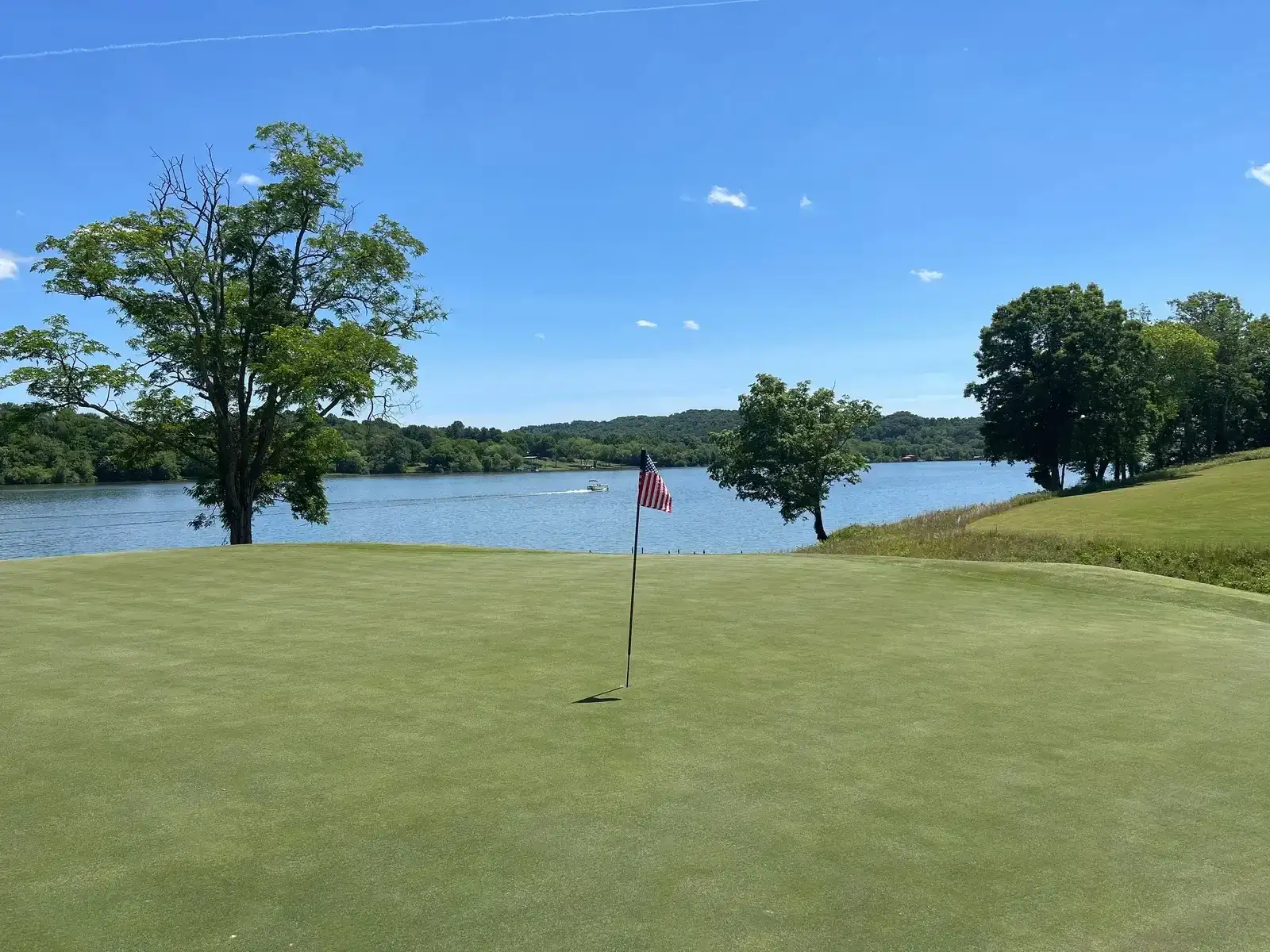
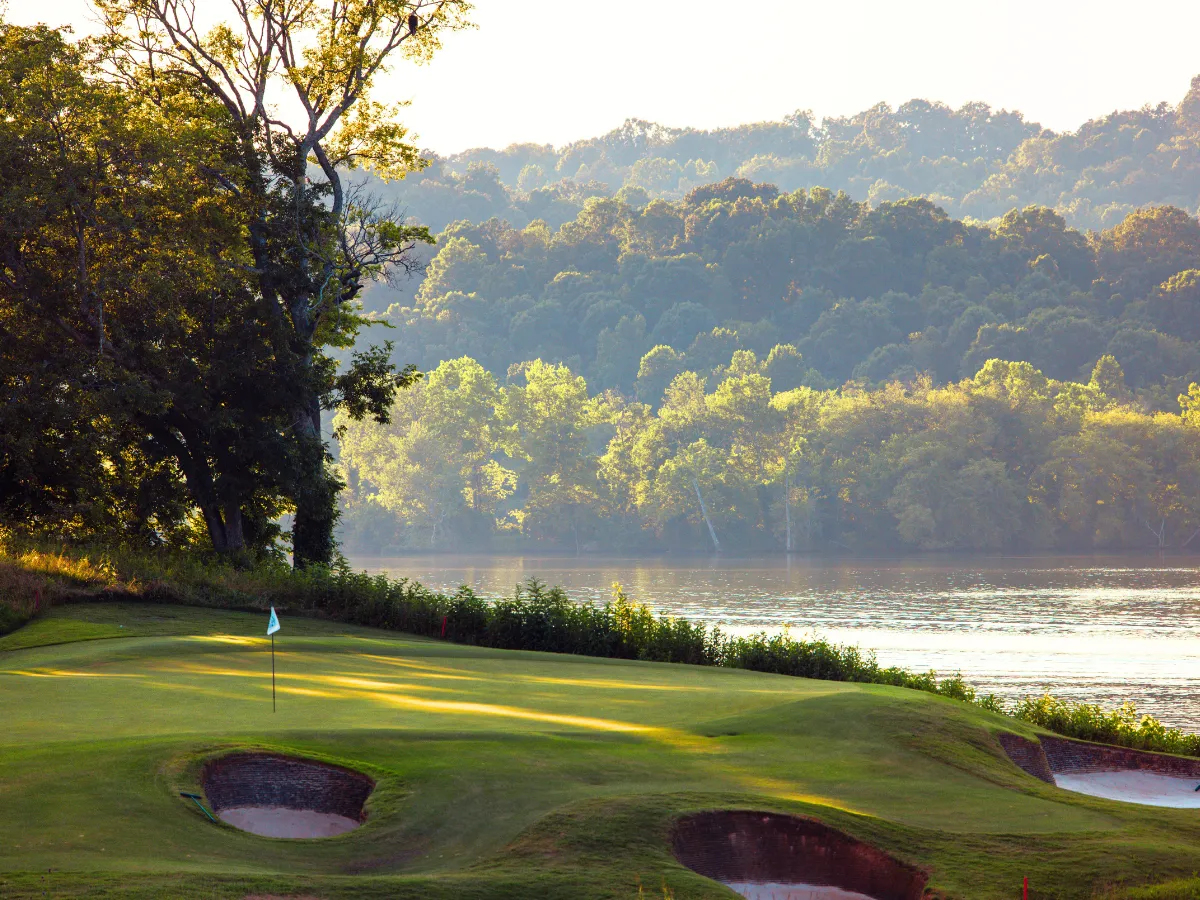
Golf course retirement living combines scenic landscapes with a lifestyle that emphasizes leisure, social connection, and low-maintenance homeownership. Properties that border fairways or lakes often offer expansive views and green space that create a calming daily environment. For many retirees, the aesthetic appeal alone—morning light on manicured turf and quiet walking paths—is a major draw.
Beyond scenery, these communities typically provide a package of services and amenities that simplify life: lawn care, clubhouse activities, fitness centers, and organized social events. That convenience reduces the day-to-day chores associated with traditional homeownership, leaving more time for hobbies, family, and travel.
Additionally, living in a golf course community fosters a strong sense of camaraderie among residents. Shared interests in golf and outdoor activities naturally encourage social interaction, while many neighborhoods also host clubs, classes, and volunteer opportunities that help retirees stay engaged and active. Access to nearby dining venues and recreational facilities further enriches the lifestyle, making it easy to enjoy both relaxation and entertainment without leaving the neighborhood.
Health and wellness are often prioritized in these settings, with walking trails and fitness programs designed to fit varied levels of mobility and interest. The peaceful environment combined with regular physical activity supports mental as well as physical well-being. For retirees seeking a balanced lifestyle that blends wellness, social life, and natural beauty, golf course retirement communities present an attractive and supportive option.
Health and lifestyle benefits
Access to a golf course encourages physical activity. Walking the course, practicing at the driving range, or taking part in beginner-friendly clinics lead to regular movement, improved balance, and cardiovascular benefits. Even those who do not play golf can use the trails, participate in group fitness classes, or swim at on-site pools—options commonly offered in these communities.
Social engagement is another major benefit. Clubhouses, dining rooms, and organized tournaments create opportunities to meet neighbors, join clubs, and form friendships. For retirees seeking an active social scene, communities built around golf provide built-in networks and consistent programming that help reduce isolation and support mental well-being.
Types of golf course retirement communities
Active adult (55+) communities
Active adult developments typically target residents aged 55 and older and focus on recreational programming and social activities. Homes are often single-level or designed with accessibility in mind, and rules may restrict full-time residency of younger family members. These communities emphasize an active lifestyle but usually do not offer extensive medical or assisted-living services.
Continuing care retirement communities (CCRCs)
CCRCs provide a continuum of care that ranges from independent living to assisted living and skilled nursing, all within the same campus. Choosing a CCRC on or near a golf course offers the lifestyle benefits of scenic surroundings coupled with long-term security. This option suits those who want to age in place with access to higher levels of care if needed.
Resort-style communities
Resort-style developments put a premium on hospitality: upscale dining, spa services, multiple recreational facilities, and sometimes concierge services. These communities attract retirees who want a vacation-like atmosphere year-round and are willing to pay for higher-end amenities and service levels.
Costs to expect
Golf course living comes with a range of costs beyond the home purchase price. Monthly homeowners association (HOA) fees can be significant, covering landscaping, maintenance of common areas, pool and clubhouse operations, and sometimes utilities. HOA fees vary widely depending on the level of service and the quality of amenities.
Other recurring expenses include property taxes, golfer or facility fees, and homeowner’s insurance. In communities with private clubs, membership dues or initiation fees may apply and can be considerable. For residents in CCRCs, entrance fees are common and may take the form of refundable or nonrefundable payments that have implications for long-term finances.
Hidden and variable costs
Course-front homes may have higher insurance premiums due to the risk of errant golf balls, while irrigation costs and local water assessments can increase utility bills. When the community is gated or has extensive security, there may be additional assessments for capital improvements. Resale costs should also be considered: while golf-front homes can command a premium, market demand fluctuates with the popularity of golf and the local real estate cycle.
Financial planning and purchase options
Deciding whether to buy, rent, or join a membership-only community requires careful financial planning. Some retirees prefer to sell their primary residence and use sale proceeds to buy in a golf community outright, while others opt for a mortgage to preserve liquid assets. Renters may enjoy lower upfront costs and greater flexibility, but they forgo equity building and may have less control over long-term residence stability.
For those considering a CCRC, three common contract types exist: Type A (life care) with higher upfront fees and predictable monthly charges; Type B (modified contract) which offers limited long-term care at a lower upfront cost; and Type C (fee-for-service), where long-term care is billed separately. Consulting a financial advisor and reviewing sample budgets that include HOA fees, taxes, and health care projections helps avoid surprises.
How to choose the right community
Prioritize location and climate
Location affects lifestyle and long-term satisfaction. Consider proximity to family, quality of medical facilities, airport access for travel, and seasonal weather patterns. Warm-weather states may offer year-round golf, while cooler regions provide seasonal variety and may have lower overall costs.
Assess course quality and access
Investigate whether the golf course is privately owned, part of a resident club, or municipally operated. Private courses often limit tee times to members, while municipal courses can provide more open access. Course maintenance, design quality, and pace of play are all factors for serious golfers. For casual players, look for practice facilities and beginner-friendly programming.
Evaluate amenities and social life
List the amenities that matter most: a fitness center, walking trails, pickleball courts, dining options, cultural programming, or volunteer opportunities. Attend a few events as a guest if possible to gauge the community’s social vibe and demographic mix. Compatibility with neighbors and the presence of active clubs are strong predictors of long-term happiness.
Inspect the financial health of the HOA
Review financial statements, reserve funds, and recent assessment history. Communities with well-funded reserves and a history of consistent maintenance fees indicate sound management. Conversely, frequent special assessments or deferred maintenance are red flags that can lead to higher costs down the road.
Top golf course retirement communities to consider
Across the United States, several communities consistently rank highly for their combination of golf, amenities, healthcare access, and overall lifestyle. A sampling of notable communities illustrates the variety of options available to retirees.
Troon North-Style Communities — Scottsdale area, Arizona
Scottsdale and nearby towns offer desert golf courses with spectacular mountain backdrops, high-end amenities, and year-round play. Communities in this region often include gated neighborhoods, luxury clubhouses, and access to medical centers specializing in geriatric care. The dry climate also appeals to those with respiratory or joint concerns.
PGA Village-Style Developments — Florida’s east coast
Florida’s golf communities frequently feature resort amenities, extensive social programs, and proximity to beaches. Communities modeled after PGA Village concepts emphasize professional-quality courses and robust instruction programs. State tax benefits and an expansive retirement infrastructure make Florida an attractive option for many retirees.
Hilton Head and Coastal Carolina Communities
Coastal communities in South Carolina combine mild climates with a strong golf culture and a slower pace of life. Many developments include marsh and ocean views, low-density layouts, and abundant walking paths. Healthcare access in nearby towns and a welcoming social scene are additional draws for retirees.
Central Texas Golf Communities
Central Texas offers rolling hills, mixed-crop landscapes, and a growing number of retirement-oriented golf developments. Communities in this region often balance affordability with high-quality amenities, and proximity to cities like Austin or San Antonio ensures access to hospitals, cultural events, and airports.
Lakefront and Mountain Courses — Carolinas
The foothills of the Blue Ridge and Great Smoky Mountains host communities that combine lake access with mountain golf courses. These locations suit retirees who want diverse outdoor activities—boating, hiking, and seasonal festivals—alongside the peacefulness of golf course living.
Pacific Northwest Golf Communities
For those who prefer cooler summers and lush, green landscapes, communities in Washington and Oregon provide scenic courses, strong environmental stewardship, and an emphasis on outdoor recreation. Rainy seasons are a consideration, but many residents value the region’s natural beauty and cultural amenities.
Questions to ask before committing
Before purchasing or moving into a golf course retirement community, ask about HOA fee history and what those fees cover, whether golf membership is included or optional, and what restrictions exist on rental or guest policies. Inquire about the community’s governance structure and how decisions are made, plus any upcoming capital projects that may lead to assessments.
Tour at different times of day and week to evaluate noise levels, traffic, and the typical population. Speak with current residents about their experiences—how the community handles maintenance, communication, and conflict resolution. Finally, consider how resaleable the home will be: a house that fits a wider market will sell more easily when it’s time to move on.
Final considerations and moving forward
Golf course retirement living offers a blend of natural beauty, recreational opportunity, and social engagement that aligns with many retirees’ priorities. Careful due diligence—financial planning, community visits, and thorough contract review—ensures the chosen lifestyle aligns with long-term needs and resources. With the right match, these communities provide a comfortable, active, and fulfilling chapter of life.
Practical next steps include creating a budget that accounts for all recurring and potential costs, compiling a list of desired amenities and locations, and scheduling multiple visits to prospective communities. A measured approach helps find a golf course retirement community that supports both present enjoyment and future security.
Discover Your Ideal Golf Course Retirement at Tennessee National
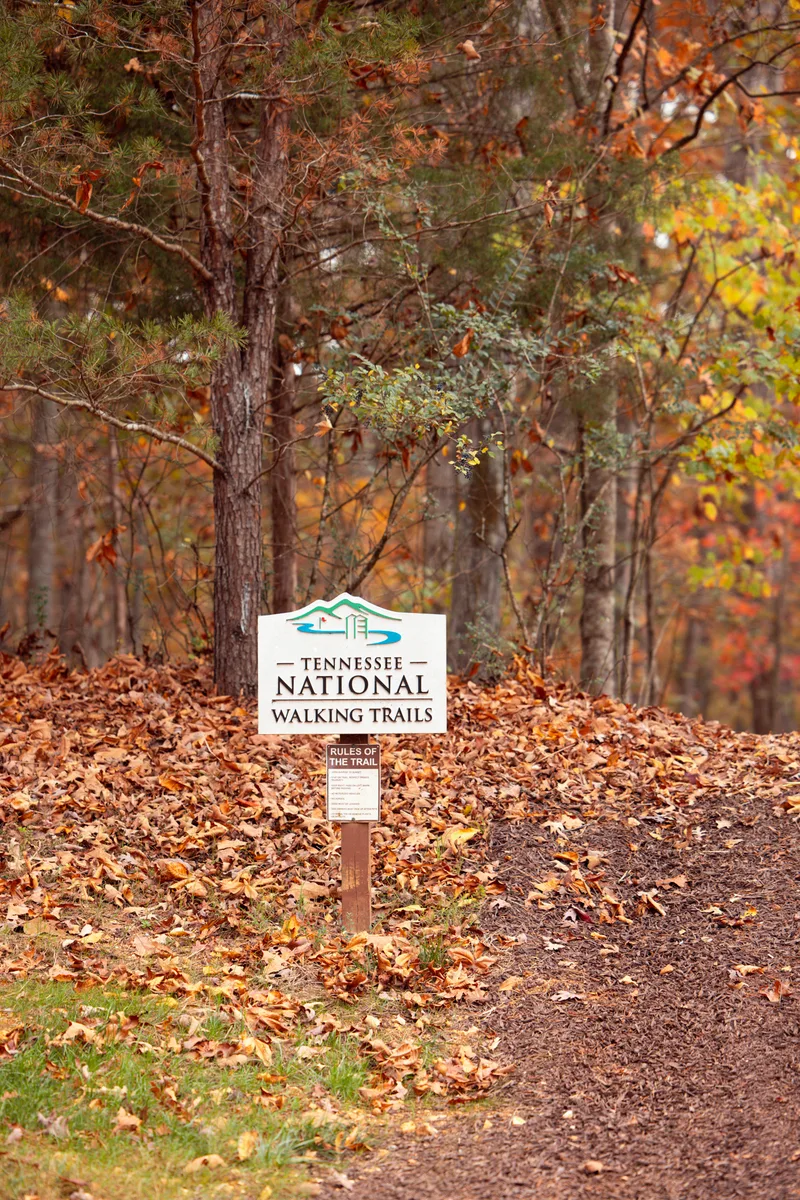
Embrace the lifestyle you’ve been reading about at Tennessee National, a premier gated community nestled in Tennessee’s scenic beauty. With a Greg Norman Signature Golf Course, private marina, waterfront dining, and over 20 member amenities, Tennessee National offers resort-style retirement living tailored to your needs—whether you prefer a move-in ready home or a custom build. Experience vibrant social clubs, nature trails, and exclusive events that keep you active and engaged. [