
Deciding where to spend retirement years is more than a housing choice; it’s a lifestyle decision. Gated communities for retirees have become increasingly popular, offering a blend of security, social opportunities, amenities, and maintenance-free living. This article examines the benefits, typical costs, and practical tips to help determine whether gated community retirement living fits personal needs and financial plans.
What Defines a Gated Retirement Community?
A gated retirement community typically refers to a residential neighborhood with restricted access—gates, security personnel, or electronic entry systems—that caters primarily to older adults. These communities can range from active adult neighborhoods (55+) to luxury developments and continuing care retirement communities (CCRCs) that offer varying levels of care. The defining features are age restrictions, controlled access, and community-focused amenities.
Beyond the physical gate, these communities often include homeowner associations (HOAs) or community management that enforces rules, coordinates landscaping and maintenance, and organizes events. The goal is to create a predictable, stable environment where residents can feel secure and socially engaged without the burdens of property upkeep.
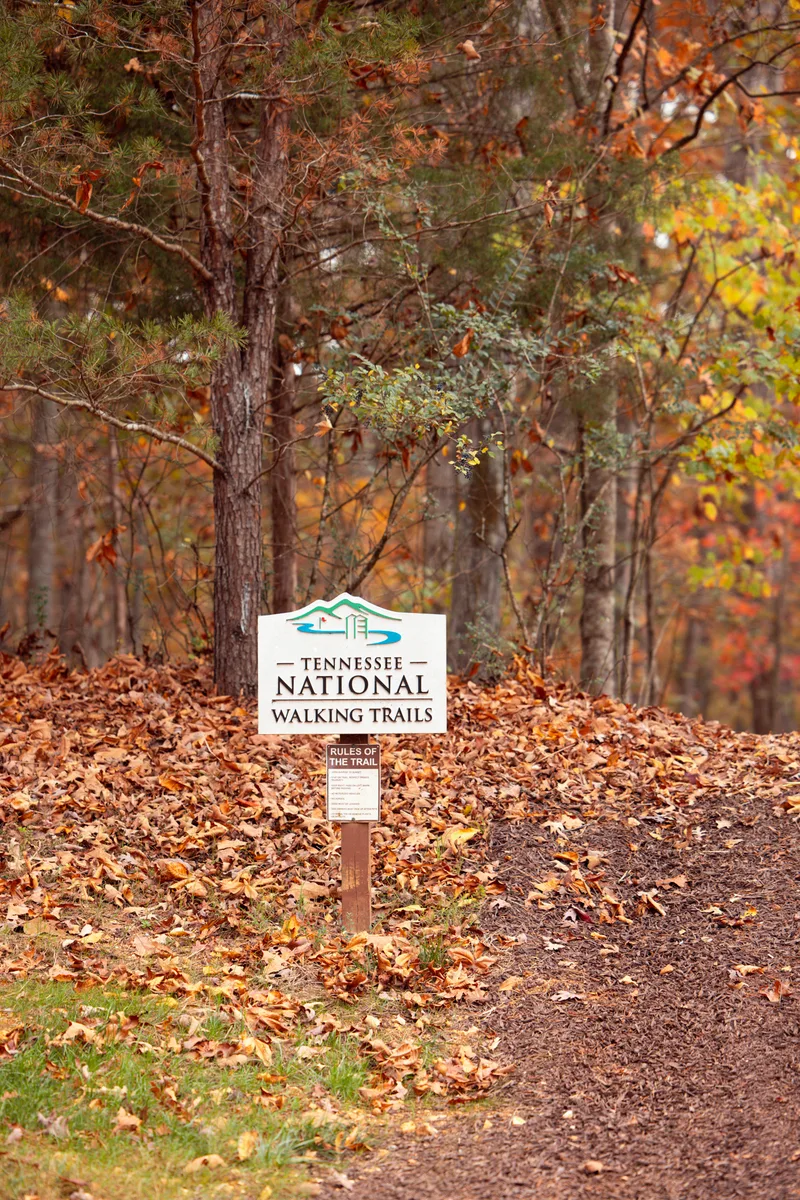
Many gated retirement communities emphasize an active lifestyle through amenities such as golf courses, swimming pools, fitness centers, walking trails, and hobby clubs, providing residents with numerous opportunities to socialize and stay physically active. Additionally, some communities offer specialized services like shuttle transportation, on-site healthcare clinics, and meal delivery, tailored to support the convenience and well-being of their residents.
Safety and privacy are often paramount concerns, which is why many gated retirement communities employ 24-hour security patrols, surveillance cameras, and strict visitor screening processes. This layered approach not only reduces the risk of unauthorized entry but also fosters peace of mind among residents and their families, contributing to an overall sense of comfort and community cohesion.
Key Benefits of Gated Community Retirement Living
Enhanced Safety and Peace of Mind
Security is one of the most cited reasons retirees choose gated communities. Restricted access, on-site security, and surveillance systems reduce the likelihood of random crime and solicitations. For many, the simple fact that strangers cannot wander through the neighborhood offers daily peace of mind, especially for those living alone or with mobility limitations.
Maintenance-Free Lifestyle
Maintenance responsibilities are often reduced or entirely handled by the HOA. Lawn care, exterior repairs, snow removal, and waste management can all be managed professionally. This frees residents from physically demanding chores and ongoing vendor coordination, allowing more time for leisure, family, and social activities.
Built-In Social Opportunities
Gated retirement communities are designed to encourage social interaction. Common spaces like clubhouses, pools, fitness centers, and scheduled activities provide natural settings for meeting people with similar interests. For retirees seeking companionship, regular opportunities for socialization are a major benefit and can contribute to better mental and physical health.
On-Site Amenities and Services
Many gated retirement communities include amenities that rival resorts: fitness classes, walking trails, dining options, transportation services, and healthcare partnerships. Some communities feature specialized services like physical therapy, concierge assistance, and shuttle service to local shopping or medical appointments. Access to these conveniences can simplify daily life and improve overall well-being.
Understanding the Costs
Living in a gated retirement community generally costs more than an equivalent home in a non-gated neighborhood, due to the added services, security, and amenities. Costs can be categorized into upfront expenses, ongoing fees, and potential future costs related to care or resale.
Upfront Purchase or Entry Fees
For resale homes within a gated community, upfront expenses resemble purchasing any home—down payment, closing costs, and mortgage payments if applicable. For entry-fee communities and CCRCs, there may be significant entrance fees that secure a resident’s right to live in the community and access certain levels of care. These entrance fees can be refundable, partially refundable, or non-refundable depending on contract terms.
Monthly HOA and Service Fees
HOA fees are a recurring expense and should be closely examined. These fees cover common area maintenance, security, property management, landscaping, and sometimes utilities or some meal plans. In resort-style or full-service communities, HOA fees tend to be higher. Fee structures can change over time, and special assessments may be levied for major repairs or upgrades, so budgeting for increases is important.
Healthcare and Long-Term Care Costs
Not all gated retirement communities provide on-site healthcare. For those that do, higher levels of care—assisted living or skilled nursing—come with additional fees. In CCRCs, a tiered payment model often shifts costs as care needs increase. Understanding how a community handles transitions in care, associated fees, and whether long-term care insurance or Medicaid could be used is essential to avoid unexpected financial strain.
Pros and Cons: A Balanced Look
Advantages
Besides security and amenities, gated communities offer predictability, community governance, and often a well-maintained environment that preserves property values. For those prioritizing active social lives, convenient services, and minimal home maintenance, these neighborhoods can enhance retirement quality and reduce day-to-day worries.
Potential Drawbacks
Limitations include higher costs, HOA restrictions on property appearance and behavior, and possible social homogeneity. Some residents may find rules restrictive, such as limitations on visible decorations, rental rules, or pet policies. In addition, the close-knit nature of these communities can be a downside for those who value privacy or prefer a more mixed-age environment.
How to Choose the Right Gated Community
Assess Personal Needs and Lifestyle Goals
Start by listing priorities: proximity to family and medical facilities, preferred climate, social activities, and desired level of independence or care. An active lifestyle with fitness and cultural programming will point to different communities than one seeking a quiet, maintenance-free setting with easy medical access. Matching personal preferences with what a community offers prevents costly mismatches.
Compare Fee Structures and Contract Terms
Examine HOA documents, entrance fee agreements, reserve fund status, and refund policies for entrance fees. Clarify what the monthly fees include and whether there are predictable escalators. Request financial statements and ask about special assessments in the past—frequent or large assessments may suggest underfunded reserves or mismanagement.
Visit Multiple Times and Talk to Residents
Visits at different times of day and week reveal the true character of a community. Attend a meal, a fitness class, or a social event if allowed. Conversing with residents provides candid insights about management, community dynamics, and any recurring concerns. Alternatively, online forums and reviews can offer supplemental perspectives but verify details through direct inquiry.
Tips for a Smooth Transition
Plan Downsizing Gradually
Downsizing possessions often proves emotionally and logistically challenging. Begin early by sorting belongings, digitizing important documents and photos, and identifying items for family members, donation, or sale. A staged approach reduces stress and prevents last-minute decisions while making moving days more manageable.
Understand Moving-In and Orientation Processes
Ask about onboarding support: orientation sessions, welcome packages, moving companies with experience in the community, and introductions to neighbor groups. Some communities provide move-in coordinators or volunteers to help new residents navigate services and local vendors—using these resources can accelerate settling in and foster social connections.
Budget for Both Expected and Unexpected Costs
Establish a realistic budget that includes purchase or entrance fees, monthly HOA dues, utilities not covered by the HOA, home insurance, transportation, and leisure expenses. Build a contingency fund for medical or care transitions, and verify whether long-term care insurance or Medicare supplement plans will be accepted by providers linked to the community.
Legal and Financial Considerations
Review Contracts with Professionals
Legal documents for gated retirement communities can be complex. Engage an elder-law attorney to review any residence contract, especially for CCRCs or when significant entrance fees are involved. An accountant or financial planner can model long-term affordability, including tax implications related to property taxes, capital gains on resale, and deductible medical expenses.
Check Licensing and Compliance for Care Facilities
For communities offering assisted living or skilled nursing, verify state licensing and accreditation. Inspect inspection reports, complaint histories, and staffing levels. Licensing ensures minimum standards of care and can indicate how rigorously a community manages healthcare services—a critical concern for residents expecting on-site support later in life.
Making the Most of Community Life
Engage Early and Often
Joining clubs, volunteering for committees, or attending social events helps new residents build friendships and find purpose. Many communities have hobby groups, educational programs, and travel clubs. Participation contributes to a richer retirement experience and strengthens the social fabric of the neighborhood.
Maintain Independence While Using Available Services
Balance independence with practical use of community services. Accepting help with chores or transportation should not diminish autonomy; rather, these services can enable more active engagement in preferred activities. Staying physically and mentally active through classes, volunteer work, or hobbies can prolong independence and satisfaction.
When Gated Community Living May Not Be the Best Fit
Gated retirement communities are not ideal for everyone. Those who prioritize low housing costs, intergenerational living, or unregulated living environments may find other options more suitable. Similarly, individuals who value complete privacy and minimal social obligation might prefer independent single-family homes or smaller, non-gated neighborhoods.
Finally, consider future mobility and healthcare needs. If a community cannot accommodate escalating care requirements and relocation to a higher-care facility would be disruptive, alternative arrangements such as a CCRC or staying in a non-gated area near supportive services may be preferable.
Conclusion
Gated community retirement living offers a compelling combination of security, convenience, and social opportunity that aligns well with many retirees’ goals. The trade-offs include higher costs and possible restrictions enforced by HOAs. Careful research, financial planning, and time spent experiencing a community firsthand will clarify whether this lifestyle is the right choice. With thoughtful preparation, a gated retirement community can be a comfortable, engaging, and secure place to embrace the next chapter of life.
Discover Your Ideal Retirement at Tennessee National
If a secure, active, and amenity-rich gated community aligns with your retirement goals, Tennessee National invites you to explore life at its finest. Set against Tennessee’s stunning natural backdrop, our premier community offers luxury living with a Greg Norman Signature Golf Course, private marina, waterfront dining, and over 20 exclusive amenities. Whether you prefer a move-in ready home or a custom design, Tennessee National provides the perfect setting to enjoy resort-style living and vibrant social connections. [