Why East Tennessee’s Lake Country is Special
East Tennessee’s lakes sit where Appalachian foothills meet broad valleys, creating a mix of dramatic ridgelines, shallow coves, and long, navigable stretches of water. The region around lakes such as Norris, Cherokee, Douglas, and Fort Loudoun blends natural beauty with easy access to small towns, state parks, and historical sites. That combination makes it possible to spend a morning paddling through quiet inlets, an afternoon touring a historic mill, and an evening at a lakeside café watching the light change across the water.
Visitors will find that the pace here is approachable: outdoor activity options are abundant but rarely crowded outside of the peak summer weekends. The seasons bring different charms—spring is full of wildflowers and migrating birds, summer offers boating and swimming, fall paints the hills with fiery foliage, and winter provides crisp, clear days that are perfect for scenic drives and photography.
Beyond the water, East Tennessee’s Lake Country is rich in cultural heritage. Local communities host festivals that celebrate Appalachian music, crafts, and cuisine, providing immersive experiences that connect visitors with the region’s traditions. Artisans often display their handmade pottery, quilts, and woodwork in quaint galleries and shops, offering unique souvenirs that reflect the area’s deep roots.
The lakes themselves also serve as important habitats for a variety of wildlife. Anglers can enjoy fishing for species like bass, catfish, and crappie, while birdwatchers might spot eagles soaring overhead or herons wading along the shores. The intertwining ecosystems of forest, field, and water make the region a living classroom for naturalists and curious visitors alike.
Watts Bar Lake: The Loudon County Centerpiece
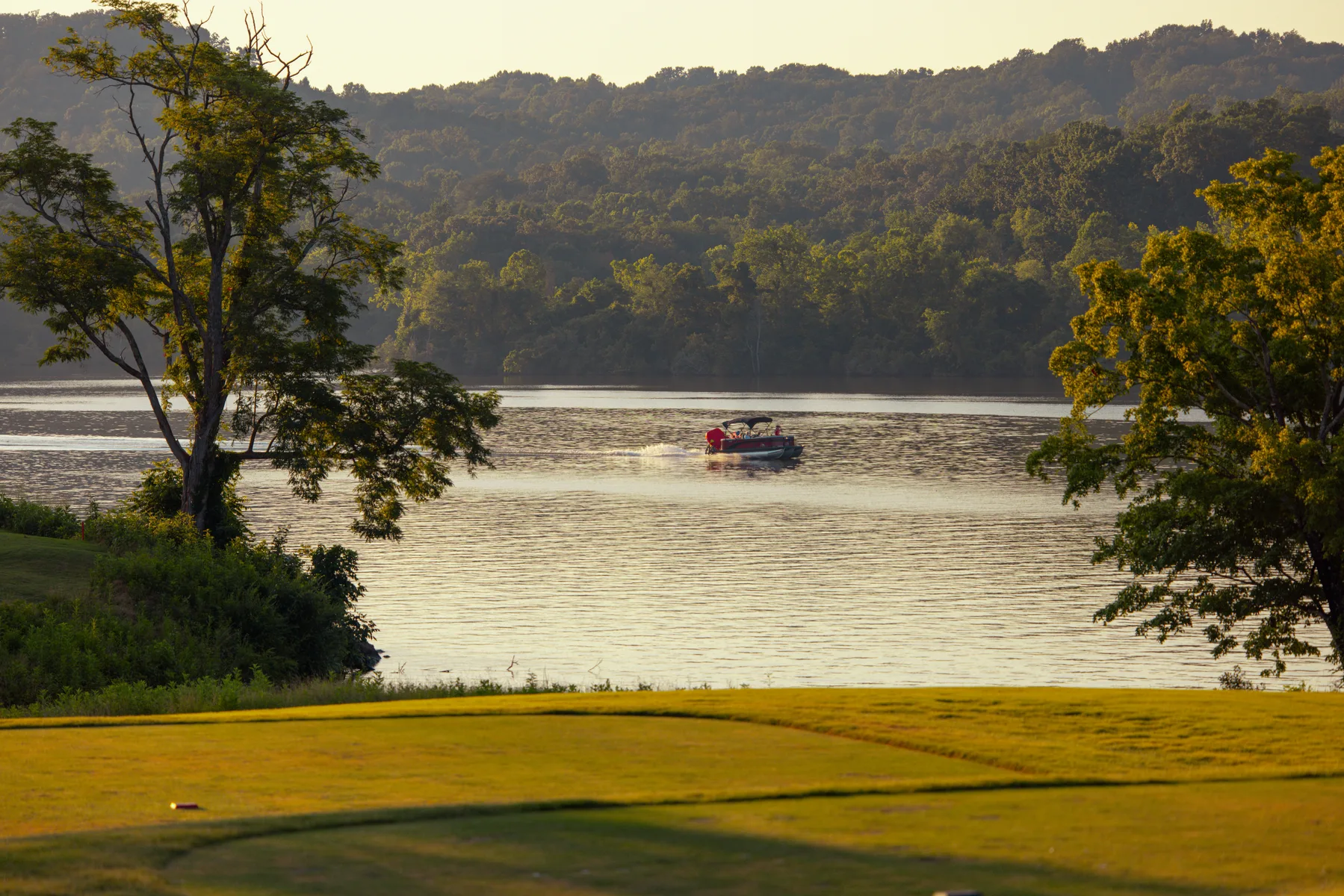
One lake deserves a closer look for anyone weighing a longer stay or a move: Watts Bar. This TVA reservoir on the Tennessee River carries about 80 miles of navigable shoreline and links into the broader river system, so a single outing can cover open water, quiet coves, and riverfront stretches without trailering anywhere else.
Watts Bar sits in Loudon County, roughly 35 to 40 minutes from downtown Knoxville and about 22 minutes from Farragut. That balance of quiet water and quick access to a city, an airport, and hospitals is what draws full-time residents, not just weekenders.
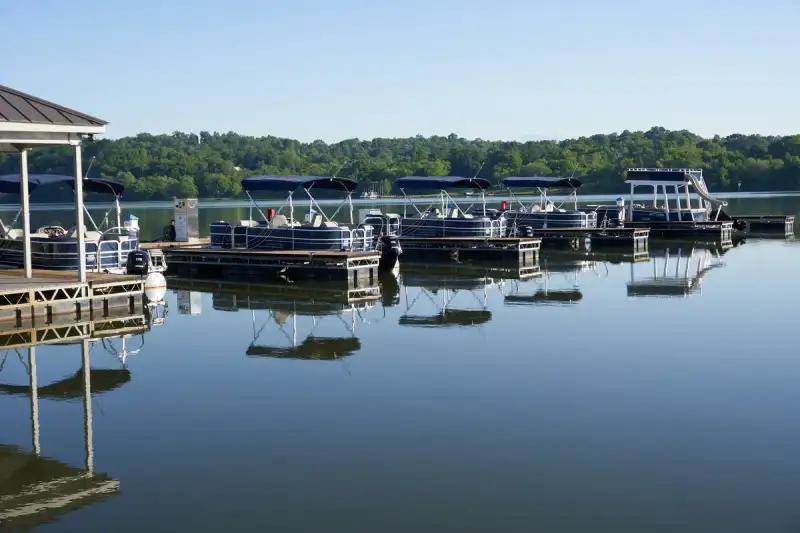
It is also the home of Tennessee National, a 1,492-acre gated golf community built directly on Watts Bar. The property pairs a Greg Norman signature 18-hole course with a full-service marina and custom waterfront homes. If your visit is really a scouting trip for lake living, start your reading with our guide to retiring on an East Tennessee lake and our best places near the lake roundup.
Getting There and Getting Around
The major gateway cities are Knoxville and Knoxville’s McGhee Tyson Airport, which provide regional flights and rental car services. Driving from nearby metropolitan centers—Nashville, Asheville, and Chattanooga—takes anywhere from two to four hours depending on the destination lake, making weekend trips realistic for many visitors.
Once in the region, a car is the most flexible way to explore. Roads wind along ridgelines and down to lakeside communities; a reliable vehicle makes it easy to hop between boat ramps, overlooks, and small towns. For those who want to minimize driving, many marinas and outfitters offer boat rentals, shuttle services for kayaks and SUPs, and guided tours that let one spend an entire day on the water without worrying about logistics.
Where to Stay: Cabins, Campgrounds, and Historic Inns
Accommodation options range from primitive lakeside campsites to renovated historic inns and private cabins with dock access. State parks and private campgrounds offer tent and RV sites with convenient access to trails and swimming areas, while cabin rentals provide cozy evenings by a stone fireplace or screened porches for late-night stargazing.
Historic B&Bs and country inns often sit within easy driving distance of several lakes, providing both charm and hospitality. Many rental cabins come with kayaks, paddleboards, or fishing gear included, which is a cost-effective way to experience the lake without investing in equipment. For group travel, larger vacation homes with multiple bedrooms can accommodate extended families or friend groups comfortably.
Top Activities on the Water
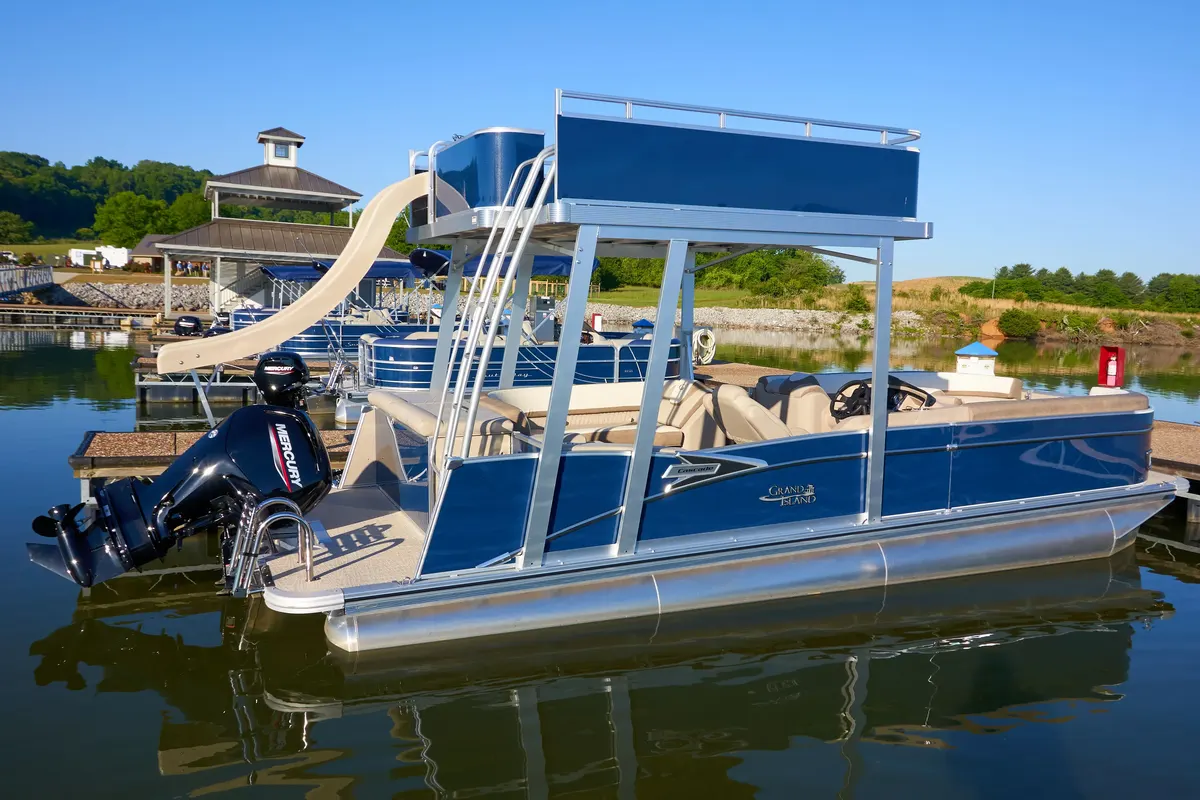
Boating is the most popular lake activity, and boaters will find a range of options: pontoons for relaxed cruising, bass boats for anglers, and personal watercraft for those seeking speed. Marinas around the lakes offer rentals and fuel, and many provide launch ramps and slips for a fee. Early mornings and late afternoons are prime times for smooth water and softer light—ideal for both fishing and photography.
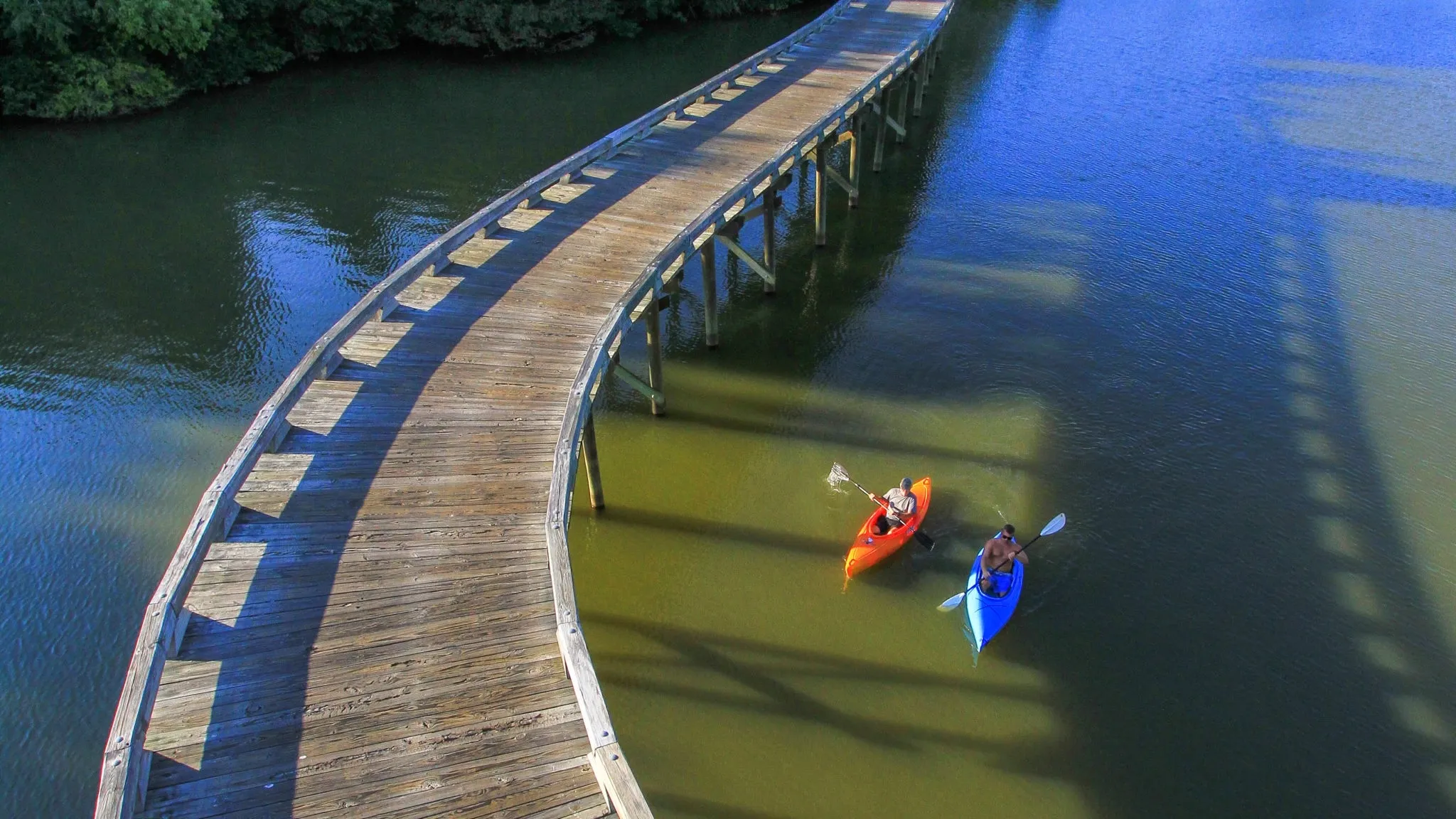
Kayaking and stand-up paddleboarding (SUP) are perfect for exploring quieter backwaters and coves inaccessible to larger boats. These human-powered options are eco-friendly and allow for close-up encounters with herons, turtles, and the occasional deer along the shoreline. Outfitters provide guided tours for beginners and multi-day trips for paddlers who want to explore farther afield.
Fishing and Wildlife Watching
East Tennessee lakes are noted for largemouth bass, crappie, bluegill, and walleye, depending on the specific body of water. Shoreline anglers find good spots near submerged structures, docks, and points where tributaries funnel smaller fish. Many local bait shops and guides can advise on seasonal patterns and best baits.
Beyond fish, the lakes host a diverse array of wildlife: ospreys and bald eagles patrol the skies, turtles bask on logs, and white-tailed deer visit the water’s edge at dawn and dusk. Nature photographers and birders should bring binoculars and a telephoto lens; a patient hour along a quiet stretch of shore can reward with excellent sightings.
Land Adventures: Trails, Parks, and Scenic Drives
Numerous state parks and forested recreation areas surround East Tennessee’s lakes, offering well-marked trails for hikers of all skill levels. Short loops around coves provide easy walks for families, while longer ridge trails deliver panoramic overlooks and a stronger workout. Look for interpretive trails that explain local ecology and cultural history—especially useful when traveling with children.
Scenic drives along ridge roads and across river valleys showcase the region’s topography, with lookout points that are perfect for picnics or sunset watching. Seasonal festivals in small towns often coincide with peak foliage or summer concert series, offering a chance to combine outdoor exploration with local celebration.
Visited Historic Sites and Local Culture
Historic mills, homesteads, and Civil War sites are scattered across the landscape, reflecting the region’s layered past. Many of these sites maintain small museums or informational panels that place local history in context—farm life, early industry, and transportation changes as the railroads and dams altered the region’s economy.
Local crafts and farmers markets showcase artisans, pottery, and seasonal produce. Sampling Tennessee barbecue, baking, and locally produced cheeses adds another dimension to a lake trip. For those interested in music, occasional lakeside concerts and nearby venues feature bluegrass, Americana, and country artists, supporting the strong musical traditions of the region.
Dining: Lakeside Eats and Nearby Town Favorites
Dining options range from casual seafood shacks and burger joints to more refined bistros that take advantage of local ingredients. Lakeside restaurants often feature patios and decks that make meals into an occasion, especially at sunset when the view becomes part of the dining experience. Many menus highlight locally caught fish, seasonal vegetables, and southern comfort dishes with a contemporary twist.
Smaller towns around the lakes have classic diners and coffee shops that are perfect for morning breakfasts and pie after a long day on the water. Farmers markets, roadside stands, and specialty shops offer local honey, preserves, and baked goods—good for picnic supplies or mid-day snacks while exploring the shoreline.
Practical Tips and Safety Considerations
Weather can change quickly in the foothills, so checking forecasts before heading out is essential. Summer thunderstorms may appear in late afternoons, and cooler nights are common outside of July and August. Bring layered clothing, sun protection, and a waterproof jacket.
On-the-water safety is paramount: wearing life jackets is advised for everyone, regardless of swimming ability, and rental companies typically require them. For paddlers, a whistle, leash for SUPs, and knowledge of the put-in and pull-out points will make outings safer and more enjoyable. When boating, be mindful of wake zones, no-wake areas near docks, and submerged hazards especially after heavy rains when water levels and clarity change.
Best Times to Visit
Late spring through early fall is the most popular window for lake activities, offering warm water, long daylight hours, and abundant outdoor programming. Memorial Day through early September is peak season for boat traffic and lakeside crowds. For quieter experiences, plan shoulder-season visits in May or September and early October for fall color without summer-level congestion.
Winter trips are less busy and can be strikingly beautiful—ideal for photography or a peaceful retreat. Some accommodations and attractions operate seasonally, so verify hours and availability before travel during off-peak months.
Sample Weekend Itineraries
A relaxed weekend might begin with an early morning paddle, followed by brunch in a nearby town and an afternoon at a state park trail. Evenings can be spent at a lakeside dock with takeout from a local restaurant. For more active visitors, combine a half-day of guided fishing with an afternoon of hiking and an evening at a music venue or farmers market.
Multi-day stays allow time to sample several lakes, visit historic sites, and enjoy multiple outdoor activities. Spacing activities with downtime—reading on a screened porch, napping in a hammock, or taking short drives to snap photos—helps keep the trip restorative rather than exhausting.
Leave No Trace and Responsible Recreation
Preserving the lakes and surrounding lands ensures future visitors can enjoy the same tranquility and natural beauty. Packing out all trash, staying on marked trails, and avoiding fuel spills or litter while boating are simple yet impactful practices. Respect private property, and choose public launch points and swimming areas that are designated to minimize shoreline degradation.
Fishing regulations, including seasons and size limits, protect fish populations; check current rules before casting a line. When wildlife is encountered, observe from a distance, avoid feeding animals, and secure food properly to limit human-wildlife conflicts.
Wrapping Up: Planning a Memorable Visit
East Tennessee’s lakes offer a compelling blend of outdoor recreation, scenic beauty, and small-town charm. A visit can be tailored to active adventure, quiet relaxation, or cultural exploration, with services and amenities that support families, anglers, paddlers, and sightseers alike. A little planning—checking seasonal conditions, reserving popular rentals or accommodations, and packing appropriate gear—yields a trip that feels both effortless and full of discovery.
Whether traveling for a weekend or a week, matching interests with lake activities and nearby attractions creates an experience that resonates long after the sun sets over the water.
Discover Luxury Lakeside Living at Tennessee National
After exploring East Tennessee’s lake country, imagine coming home to it. Tennessee National is a 1,492-acre gated community on Watts Bar Lake in Loudon, just 35 to 40 minutes from Knoxville. It offers a Greg Norman signature 18-hole course, a full-service marina, and 80 miles of navigable shoreline. Lots range from $99K to $850K, the single-family HOA is $150 a month, and Tennessee has no state income tax. Book a tour and see Watts Bar from the dock.