Why East Tennessee for a Lakehouse?
East Tennessee combines scenic mountains, temperate four-season weather, and a network of lakes large and small that attract people looking for a waterfront escape without long-distance travel. Lakes such as Norris, Cherokee, Douglas, and Watts Bar offer a variety of settings: secluded coves, wide open water for boating, and developed shorelines with marinas and services.
The region’s relative affordability compared with larger coastal markets, plus convenient access to cities like Knoxville and Chattanooga, makes it a practical choice for full-time residents, weekenders, and retirees. The cultural mix of outdoor recreation, small-town charm, and culinary options adds appeal beyond the waterfront itself.
In addition to boating and fishing, East Tennessee’s lakes are surrounded by ample hiking and biking trails that weave through the Appalachian foothills, offering breathtaking vistas and opportunities for wildlife observation. Seasonal festivals, farmers markets, and arts events in nearby communities bring together residents and visitors, fostering a vibrant and welcoming atmosphere around the lake communities.
The area’s climate, with warm summers and crisp autumns, enhances the experience of lakeside living, encouraging activities like paddleboarding, kayaking, and lakeside picnics well into the fall. Winter months are generally mild, allowing for year-round enjoyment of outdoor spaces and supporting a range of outdoor hobbies, from birdwatching to photography, making it an ideal destination for those seeking both relaxation and adventure throughout the year.
Types of Waterfront Properties
Waterfront homes in East Tennessee run the gamut from modest cabins on narrow coves to spacious contemporary residences on wide, navigable channels. Some properties sit on point lots with panoramic views, while others hug quiet shorelines that prioritize privacy and natural habitat.
The diversity of waterfront properties also reflects the varied topography of the region—ranging from the gentle sandy banks along smaller lakes to steep, wooded hillsides that descend sharply to the water’s edge. This geographic variety means buyers can choose between easy water access with expansive flat lawns or more secluded sites surrounded by mature trees and native wildlife.
Cabins and Cottages
Smaller cabins and cottages often emphasize rustic charm and efficient use of space. These homes can be ideal for weekenders or those seeking a low-maintenance retreat. Expect open living areas, simple kitchens, and porches or decks oriented toward the water.
Many of these cabins incorporate natural materials like stone and reclaimed wood to blend seamlessly with their surroundings. Interior features often include exposed beams, wood-burning fireplaces, and large windows to maximize natural light and views. Their modest size makes them perfect for cozy family getaways or romantic escapes.
Custom Contemporary and Traditional Homes
Custom builds vary widely in scale and finish, reflecting owners’ preferences for modern glass-and-steel designs or classic southern architecture with wide porches and vaulted ceilings. Many feature elevated foundations or pilings, private docks, and multi-level decks that optimize views and outdoor living.
Inside, these homes often showcase state-of-the-art kitchens, spa-like bathrooms, and expansive great rooms with soaring ceilings. Outdoor amenities can include infinity-edge pools overlooking the water, outdoor kitchens, terraces, and fire pits—designed to capture both the scenery and the mild East Tennessee climate year-round.
Condominiums and Planned Communities
For buyers who prefer minimal exterior maintenance, lakefront condominiums and planned communities offer shared amenities like community docks, boat slips, and walking trails. These options appeal to downsizing retirees and buyers seeking more social conveniences and lower property upkeep.
Many such communities also feature on-site recreational facilities such as clubhouses, fitness centers, tennis courts, and organized social events that create a close-knit atmosphere. The communal lifestyle combined with waterfront access enables residents to enjoy boating, fishing, and hiking without the responsibilities of standalone property ownership.
Choosing the Right Lake and Location
Selecting the right lake and site is as important as choosing the house. Each lake has its personality—some are better for watersports and boating traffic, while others are quieter and more oriented toward fishing or birdwatching.
Consider Access and Boating Needs
Access to boat ramps, marinas, and navigable channels should be factored into decisions for boating enthusiasts. On larger lakes, navigation can be affected by seasonal water levels and dredging projects, so it helps to check local boating associations and marina reports.
Assess Shoreline Type and Privacy
Shoreline can be rocky, sandy, or heavily wooded, and each affects both aesthetics and maintenance. Point lots and coves typically offer better privacy, while more exposed shorelines may deliver exceptional long-distance views but also more boat traffic.
Proximity to Services and Community
Distance to grocery stores, healthcare, and entertainment influences full-time living viability. For weekend or seasonal use, priorities may shift toward proximity to the interstate or a favorite city. Communities with active homeowner associations might offer community docks, common areas, and rules that preserve property values.
Costs: Purchase Price, Taxes, and Ongoing Expenses
Buying a lakehouse brings unique expense categories. Purchase prices depend heavily on lake size, water access, view, and improvements such as private docks and seawalls. Property taxes vary by county and can increase with improvements and assessed values.
Insurance Considerations
Waterfront properties often require specialized insurance coverage for flood risk, wind damage, and liability related to docks and pools. Insurance premiums reflect risk assessments that take elevation, proximity to the waterline, and historical flood data into account.
Maintenance and Upkeep
Lakefront maintenance includes dock repairs, deck sealing, shoreline stabilization, and routine landscaping. Seasonal upkeep—winterizing systems, clearing gutters, and inspecting roofs after storms—helps avoid costly repairs later. Budgeting 1–3% of the home’s value annually for maintenance is a conservative approach.
Practical Buying Tips for Waterfront Properties
Waterfront real estate requires careful due diligence. Some issues are unique to lakeside living and deserve attention early in the buying process to prevent surprises and ensure long-term enjoyment.
Hire a Local Real Estate Agent with Lake Experience
Working with an agent who knows the lake system, local zoning, and shoreline regulations can streamline the search. Local agents can provide insights on seasonal water levels, dock permitting, and neighborhood character.
Inspect the Dock, Shoreline, and Seawall
Professional inspections should include the private dock, bulkheads, and any shoreline stabilization structures. Repairing these can be expensive, and some remediation projects require permitting and contractor scheduling during certain seasons.
Check Easements, Riparian Rights, and HOA Rules
Clarify water access rights, riparian privileges, and any easements that affect privacy or future development. Homeowner association rules often govern dock placement, boat storage, and exterior modifications—confirm these constraints before making an offer.
Design, Renovation, and Energy Efficiency
Renovating a lakehouse often aims to enhance views, update kitchens and baths, and improve indoor-outdoor connections. Materials and systems that resist moisture and pests increase long-term durability while lowering maintenance needs.
Outdoor Living and View Optimization
Design elements like large sliding doors, covered porches, and rooftops with viewing decks extend usable living space and make the most of sunsets and shoreline activity. Layered landscaping and strategic placement of windows preserve privacy without sacrificing light.
Durable Materials and Energy Considerations
Use treated or naturally rot-resistant woods, composite decking, and corrosion-resistant fasteners for exterior projects. Energy-efficient windows, high-quality insulation, and modern HVAC systems make the home more comfortable year-round and can reduce operating costs.
Living the Lakehouse Lifestyle
Life on the water encourages a rhythm that blends outdoor recreation with relaxed entertaining. Weekends can focus on boating, fishing, or simply watching the weather move across the water, while evenings often center on grilling, fireside chats, and stargazing.
Recreation and Community Activities
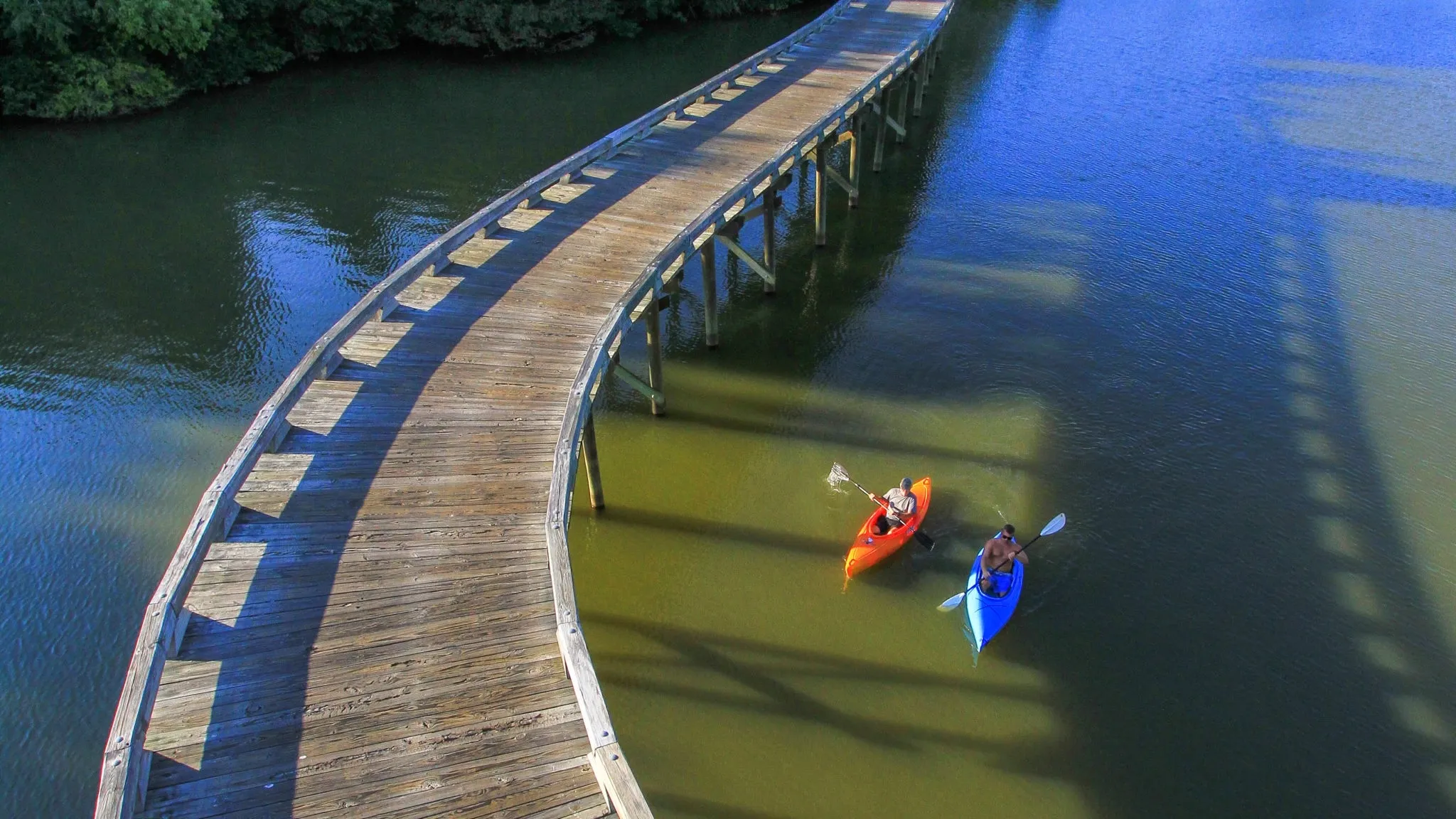
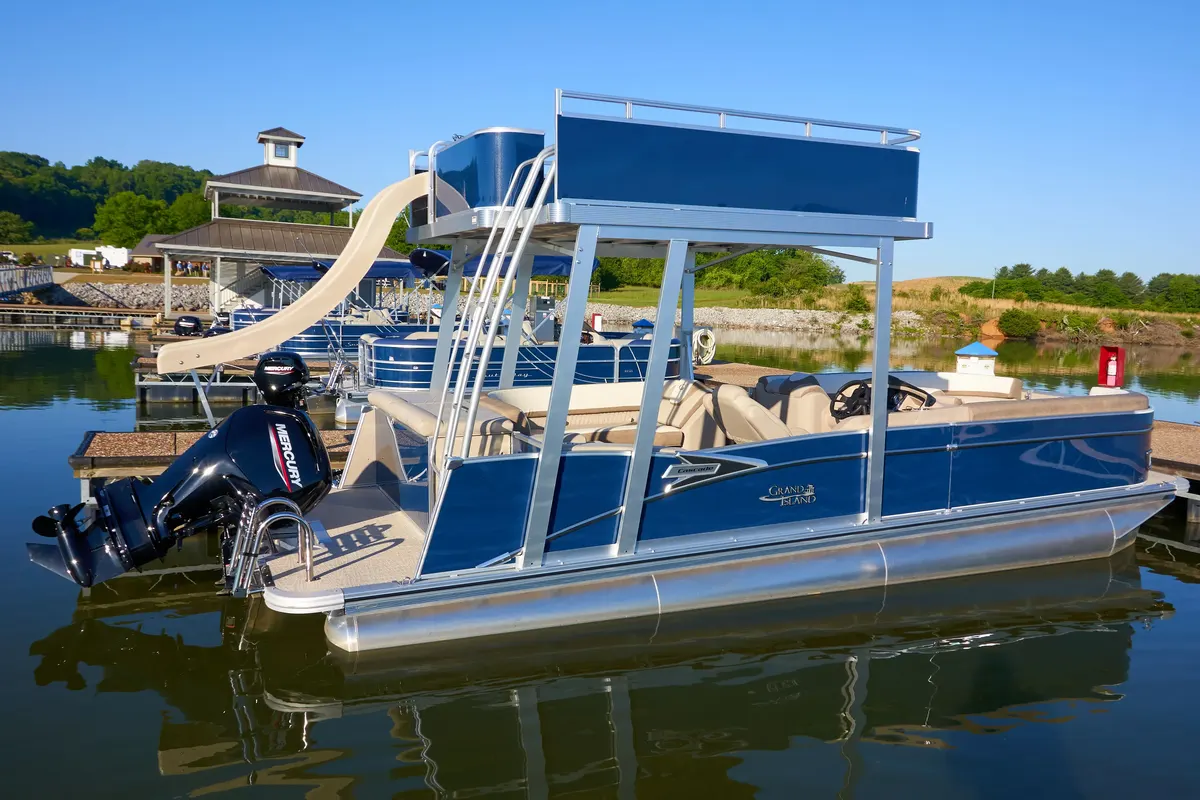
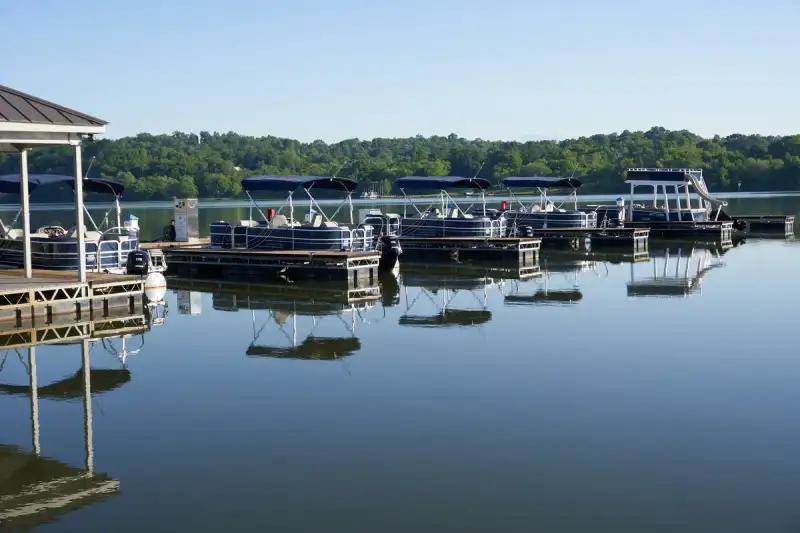
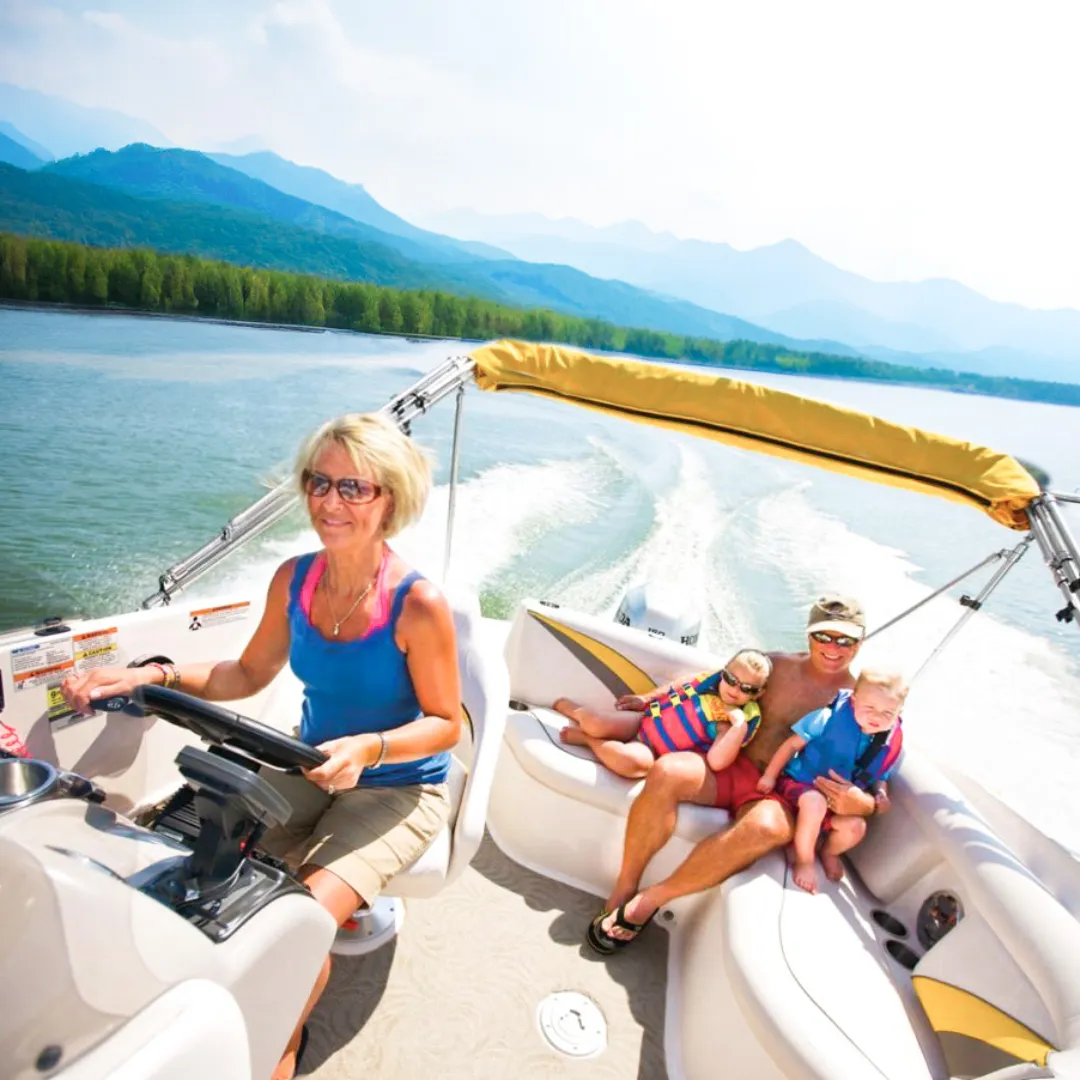
Lakes in East Tennessee host a range of activities: boating and water-skiing on open channels, kayaking and paddleboarding in sheltered coves, and shoreline fishing for bass and crappie. Local marinas often provide slip rentals, fuel, and social events that build neighborhood connections.
Wildlife and Conservation
Shorelines provide habitat for waterfowl, herons, and occasional deer, while aquatic ecosystems support mussels, fish, and native plants. Responsible stewardship—minimizing herbicide use, maintaining natural buffers, and avoiding excessive shoreline hardening—helps preserve the lake’s health.
Seasonal Living and Rental Potential
Seasonal occupancy patterns influence everything from heating systems to landscaping choices. Many lakehouses are used intensively in spring and summer, with quieter fall and winter months that still offer beauty and lower traffic.
Short-Term Rentals and Income
Short-term rentals can offset ownership costs but require attention to local regulations, short-term rental taxes, and HOA policies. Properties close to popular lakes often perform well with guests seeking weekend getaways, fishing trips, or family reunions—especially with amenities like private docks, kayaks, and fire pits.
Preparing for Off-Season Care
Off-season management includes winterizing plumbing, securing outdoor furniture, and arranging for regular checks if the property is unoccupied. Hiring a local property manager can provide peace of mind and faster response to storms or wildlife incursions.
Environmental and Regulatory Considerations
Owning a lakefront property comes with both privilege and responsibility. Regulations designed to protect water quality and shorelines must be followed to avoid fines and to maintain ecological balance.
Permits, Shoreline Work, and Buffer Zones
Permitting is required for many shoreline projects, including docks, seawalls, and significant grading. Buffer zones—strips of natural vegetation between lawns and the lake—help filter runoff and stabilize soil, and may be required by local authorities or recommended by conservation groups.
Water Quality and Septic Systems
Septic system maintenance matters for both onsite health and broader water quality. Regular inspections, pump-outs, and thoughtful landscaping to manage runoff reduce nutrient loading and limit algae problems. In areas with public sewer, consider connection options during renovation planning.
Finding Community and Local Culture
East Tennessee’s lakeshore communities balance recreation with strong local culture. Farmers markets, seasonal festivals, and nearby mountain trails enrich life beyond the shoreline. Local arts scenes and historical sites in nearby towns provide weekend outings and community identity.
Volunteer Opportunities and Civic Life
Many lake communities organize volunteer cleanups, invasive species monitoring, and boating safety programs. Participation helps protect the resource and connects newcomers with long-term residents who care for the lake’s future.
Final Considerations Before Making the Move
Contemplating lakehouse ownership should include lifestyle goals, financial planning, and a realistic assessment of maintenance needs. A visit during different seasons, conversations with neighbors, and a careful inspection process clarify whether the property fits long-term intentions.
Choosing the right lakehouse in East Tennessee delivers not only a waterfront home but a lifestyle centered on nature, recreation, and community. Thoughtful planning and respect for local ecosystems preserve both the investment and the everyday pleasures of living by the water.
Discover Your Ideal Lakehouse Lifestyle at Tennessee National
Immerse yourself in the perfect blend of luxury and natural beauty at Tennessee National, a premier gated community offering waterfront living with unmatched amenities. From a Greg Norman Signature Golf Course and private marina to waterfront dining and over 20 member-exclusive amenities, Tennessee National is designed to complement the serene lakehouse lifestyle described here. Whether you prefer a move-in ready home or a custom build, our diverse living options ensure your dream lakefront retreat becomes reality. [