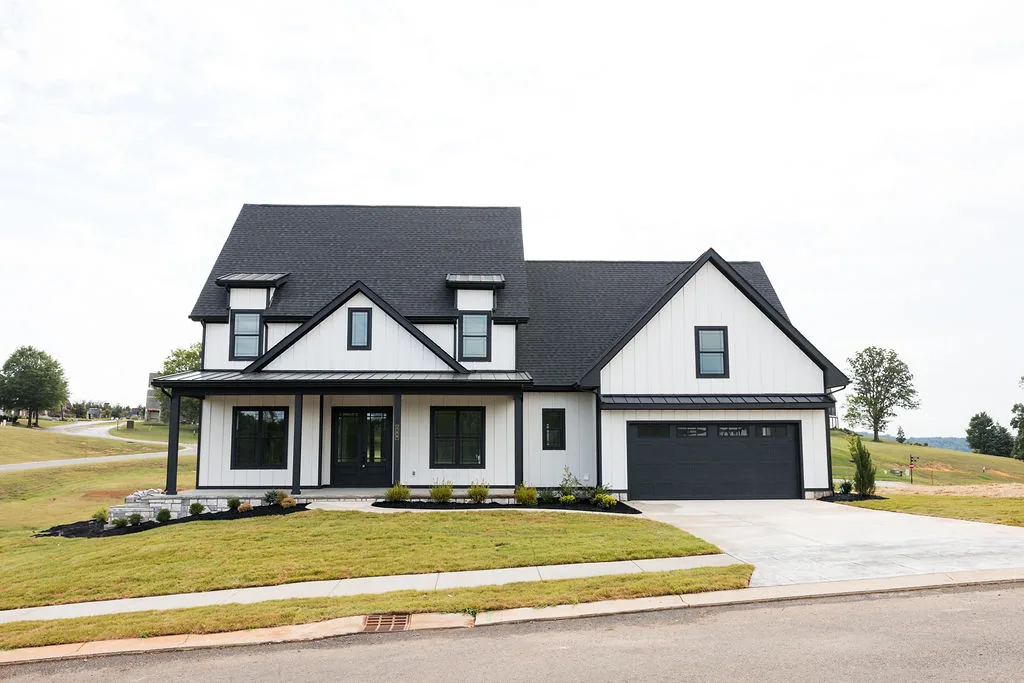
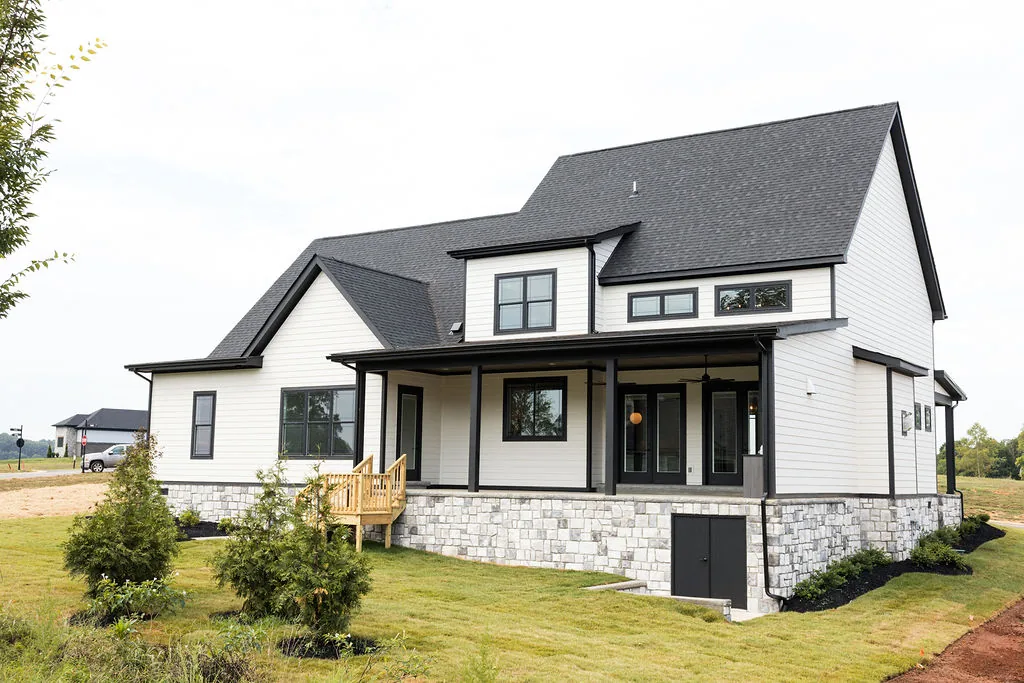
Building a custom home at Tennessee National can be one of the most rewarding real estate experiences, blending thoughtful design, idyllic setting, and intentional lifestyle choices. This guide explains the full process from initial planning through move-in, highlights important costs and timelines, and offers practical tips to navigate common decisions faced by prospective homeowners.
Why Choose Tennessee National for a Custom Home?
Tennessee National is known for its rolling landscapes, golf-oriented community amenities, and proximity to urban conveniences while still offering a sense of retreat. The community appeals to buyers who want access to outdoor recreation, established neighborhood infrastructure, and the ability to design a home that reflects individual tastes rather than settling into a cookie-cutter layout.
The locale often attracts buyers looking for a balance between low-maintenance living and luxurious finishes. Many lots are carefully positioned to maximize privacy, views, and natural light, which are essential considerations in custom home design. Additionally, established community standards help preserve property values and ensure cohesive neighborhood character.
Residents enjoy exclusive access to well-maintained golf courses, fitness centers, swimming pools, and walking trails that enhance an active lifestyle. The community’s thoughtful planning integrates natural preserves and water features, providing a serene backdrop that complements the architectural beauty of custom-built homes. Furthermore, the close-knit neighborhood fosters a welcoming atmosphere where neighbors share social events and recreational opportunities.
Another advantage lies in Tennessee National’s strategic location between major cities, making daily commutes manageable while offering a peaceful retreat at day’s end. Local schools, shopping centers, and healthcare facilities are easily accessible, ensuring that practical needs are met without sacrificing the tranquil setting. This combination of convenience and exclusivity makes Tennessee National an ideal choice for individuals and families seeking a custom home tailored to their lifestyle.
Understanding the Lot Selection Process
Choosing the right lot is the foundation of any successful custom build. Lot selection affects the home’s orientation, architectural possibilities, landscaping options, and budget. Lots near golf holes, water features, or tree lines have premium appeal but may carry additional constraints like setback requirements or view easements.
Evaluate drainage, topography, and soil quality before committing. A sloped lot can create opportunities for walkout basements or dramatic entryways, but also can increase excavation and foundation costs. Conversely, flat lots might reduce site costs but limit opportunities for unique architectural statements.
Key Lot Considerations
Investigate utility availability, septic or sewer connections, and any neighborhood or homeowners association (HOA) covenants. Check for easements that could impact privacy or limit construction in certain areas. A thorough site survey and soil test early on will prevent costly surprises later.
Finding and Hiring the Right Builder
The relationship with the builder determines much of the project’s success. A reputable builder will provide transparent budgeting, realistic timelines, and quality trade partnerships. Seek builders experienced specifically with custom homes rather than only production builders, as the skill sets differ significantly.
Request references and visit completed projects to assess workmanship and finish quality. Good builders will encourage walk-throughs during construction and explain their change-order process clearly. Contracts should detail scope, allowances, warranties, and dispute resolution mechanisms.
Questions to Ask Potential Builders
How does the builder handle cost overruns and change orders? What warranty is provided after closing? Can the builder provide a detailed project schedule and a list of subcontractors? Answers to these questions reveal operational transparency and reliability.
Design and Customization: Balancing Wants and Needs
Custom homes allow for individualized floor plans, unique material palettes, and personalized amenities like home offices, wine cellars, or outdoor kitchens. However, it’s useful to separate “must-haves” from “nice-to-haves” early in the process to keep design decisions aligned with budget and functionality.
Consider how long the home needs to serve current and future needs. Flexible spaces, such as rooms that can serve as guest suites or home offices, increase longevity and resale appeal. Architectural style should align with community guidelines while still reflecting personal taste — whether that is modern farmhouse, transitional, or classic Southern vernacular.
Energy Efficiency and Smart Home Features
High-performance windows, enhanced insulation, and efficient HVAC systems reduce long-term operating costs and enhance comfort. Incorporating smart-home wiring, security systems, and energy monitoring at the framing stage is more cost-effective than retrofitting later. Solar readiness and EV charging provisions are forward-looking choices that may also increase future resale value.
Budgeting and Financing a Custom Build
Custom homes often require more detailed budgeting than production homes because of individualized finishes and potential site-specific costs. Prepare for a contingency budget—typically 5% to 10%—to cover unforeseen expenses such as soil remediation, design changes, or market-driven price increases for materials and labor.
Financing a custom home commonly involves construction loans that convert to a permanent mortgage once the home is complete. Lenders will require plans, specifications, and a fixed-price contract from a licensed builder. It’s wise to get pre-approved and to understand draw schedules, interim interest payments, and inspection requirements tied to loan disbursements.
Managing Allowances and Upgrades
Use allowances for items with variable pricing, such as flooring, cabinetry, and lighting, but be specific about the scope to avoid cost overruns. Upgrades should be prioritized according to long-term value and daily impact. For example, investing in durable flooring and quality windows yields benefits for decades, while certain luxury finishes may have less measurable returns.
Permits, Inspections, and Regulatory Considerations
Custom builds must comply with local building codes, zoning rules, and HOA guidelines. The permit process can take weeks or months depending on complexity and jurisdiction. Builders familiar with Tennessee National and the county’s requirements will streamline this process and help avoid delays.
Inspections are required at multiple stages—foundation, framing, mechanical, electrical, plumbing, insulation, and final occupancy. A coordinated schedule between the builder and the local building department ensures compliance and prevents costly rework.
Common Permit Pitfalls
Insufficient documentation, late submittals, or noncompliant plans can stall progress. Clearing tree and environmental restrictions early prevents last-minute redesigns. When in doubt, consult with the builder’s permitting specialist or the community’s architectural review board for guidance.
Construction Timeline: What to Expect
Typical construction for a custom home ranges from 8 to 14 months but varies according to size, site complexity, and supply-chain factors. Initial stages include site preparation, foundation, and framing. Once the structure is weather-tight, mechanical, electrical, and plumbing work proceeds, followed by finishes and landscaping.
Weather and materials availability can affect schedule. Clear communication with the builder about milestone dates and contingency plans for delays helps manage expectations. Regular on-site meetings enable quick decisions and prevent miscommunications that could lead to rework.
Staging Walk-Throughs and Punch Lists
Final walkthroughs are the time to list incomplete tasks or defects—the punch list. A thorough punch list followed by a timely completion schedule ensures the home is delivered as agreed. Warranties typically cover specific components for defined periods, so understanding their terms before closing is essential.
Landscaping, Outdoor Living, and Community Amenities
Outdoor spaces are often a major reason buyers choose Tennessee National, where golf course views and mature trees create a natural backdrop. Designing usable outdoor rooms—patios, screened porches, and outdoor kitchens—extends living space and enhances enjoyment throughout the seasons.
Coordinate landscaping with the site’s grading and drainage plan to prevent erosion and standing water. Native plantings reduce maintenance and water use, while landscape lighting increases curb appeal and safety. Community amenities like golf, clubhouses, and trails should be factored into lifestyle planning and home orientation.
Curb Appeal and Long-Term Maintenance
Choose exterior materials and accents that complement the house style and require reasonable upkeep. Stone, fiber-cement siding, and quality roofing materials offer long-term durability. Maintain an annual checklist for gutters, HVAC servicing, and exterior paint or sealant to protect the investment.
Resale Considerations and Long-Term Value
Even when building for long-term use, resale considerations should guide some design choices. Timeless materials, flexible floor plans, and neutral but refined finishes broaden the home’s appeal. Adding features like a guest suite, additional bathrooms, or covered outdoor living spaces often increases marketability.
Documentation of custom features, warranties, and maintenance records adds credibility for future buyers. Energy-efficient appliances and home systems can be strong selling points in marketing materials and open-house showings.
Common Pitfalls and How to Avoid Them
Common mistakes include underestimating the total budget, failing to anticipate timeline delays, and making late-stage design changes that trigger costly rework. Clear planning, realistic budgeting, and staged decision deadlines reduce stress and expense.
Rushing lot selection, skipping soil tests, or choosing a builder without a strong portfolio can lead to long-term problems. Taking time during pre-construction phases to finalize design intent and lock down allowances yields a smoother build with fewer surprises.
Checklist for Prospective Custom Home Buyers
1. Secure pre-approval for construction financing and understand draw schedules.
2. Perform a site survey and soil test before finalizing the lot.
3. Choose a builder with custom-home experience and check references.
4. Establish a clear budget with contingencies and define allowances precisely.
5. Prioritize energy efficiency and future-proofing features like EV charging and home automation wiring.
6. Confirm HOA and community architectural guidelines before submitting plans.
7. Plan landscaping and outdoor living as part of the overall design to protect views and drainage.
Final Thoughts
Building a custom home at Tennessee National offers an opportunity to craft a living environment tailored to lifestyle preferences, design sensibilities, and long-term goals. The process requires thoughtful planning, strong builder relationships, and attention to site-specific details, but the outcome—an individualized home set within a desirable community—can be deeply satisfying.
With organized planning, realistic budgeting, and clear communication throughout the build, homeowners can enjoy a streamlined process and a final product that blends personal expression with lasting value. Those considering the journey should lean into expert advice when needed and maintain a focus on the features that will enhance daily living for years to come.