
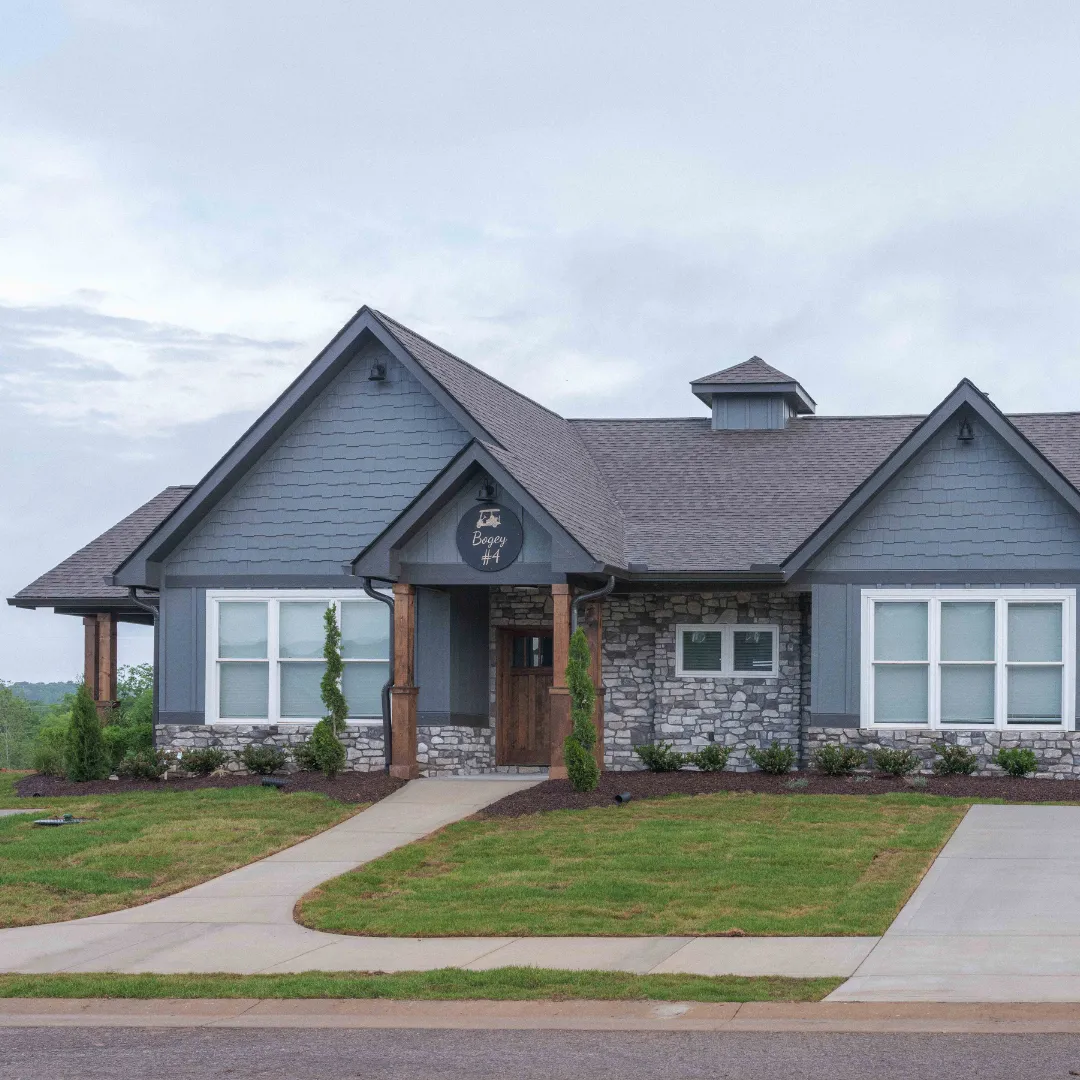
Retirement living is evolving. The focus has shifted from one-size-fits-all senior communities to personalized homes that support independence, comfort, and long-term well-being. Custom home retirement design puts the resident’s lifestyle, mobility needs, and aesthetic preferences at the center. Thoughtful planning and targeted modifications transform a house into a safe, beautiful, and functional place to age in place with dignity.
What “Custom Retirement Home” Really Means
Custom retirement homes are not just about adding grab bars or widening doorways. They represent a holistic approach that integrates universal design principles, health-supportive features, and personal touches. The aim is to create spaces that remain usable and enjoyable as physical abilities change, while reflecting the occupant’s taste and daily routines.
Key components include barrier-free circulation, adaptive bathrooms and kitchens, lighting that reduces fall risk and visual fatigue, and technology that enhances safety and convenience. A custom home is also flexible — capable of accommodating caregivers, visitors, and temporary medical equipment without feeling institutional.
Beyond physical modifications, custom retirement homes often incorporate elements that promote mental and emotional well-being. This can involve designing rooms with abundant natural light, easy access to outdoor areas such as gardens or patios, and acoustic considerations to reduce noise distractions. Personalization extends to aesthetics, where color schemes and textures are chosen to create a calming, uplifting environment tailored to the resident’s preferences and memories.
In addition, many custom retirement homes integrate smart home technology not just for safety, but to enhance everyday life. Voice-activated controls, automated lighting schedules, and remote monitoring systems allow residents to maintain greater autonomy while providing peace of mind to family and caregivers. With these features, the home evolves into an active partner in supporting healthy, engaged aging.
Universal Design vs. Aging-in-Place Renovations
Universal design focuses on creating environments usable by people of all ages and abilities without modification. Examples include no-step entrances, lever handles, and single-level living. Aging-in-place renovations often adapt an existing home to meet current or anticipated needs, such as installing stair lifts, modifying bathrooms, or relocating a bedroom to the main floor.
Both approaches aim to extend independence, but universal design is proactive and embedded in the home’s DNA, while aging-in-place updates are reactive and targeted. Combining both strategies yields a home that is both timeless and adaptable.
Moreover, universal design prioritizes inclusivity, ensuring that the home remains accessible to visitors and family members with varying abilities, not just the resident. This broad applicability enhances the home’s usability and resale value. In contrast, aging-in-place renovations often focus specifically on immediate needs, which can sometimes limit flexibility for future occupants unless thoughtfully planned.
In practice, many successful custom retirement homes begin with universal design as a foundation and incorporate aging-in-place adaptations as necessary. This layered approach allows for gradual adjustments responsive to changing health conditions, lifestyle shifts, or technological advances, thereby promoting long-term comfort and functionality.
Planning the Layout: Flow, Access, and Comfort
Layout planning begins with prioritizing main-floor living. Locating primary living spaces — bedroom, bathroom, kitchen, and laundry — on one level removes reliance on stairs. Open-plan designs create clear sightlines and easier movement, reducing the risk of collisions and confusion for those with visual or cognitive changes.
Circulation should allow for mobility devices without tight turns or narrow passages. Hallways of at least 36 inches and doorways widened to 32–36 inches accommodate walkers and wheelchairs. Thoughtful placement of furniture, consistent flooring, and clear visual cues support safe movement and a calm atmosphere.
Flexible Spaces for Changing Needs
Designing rooms that can serve multiple purposes prolongs the usefulness of a home. A den that converts to a caregiver bedroom, a dining area that doubles as a workspace, or a garage space prepped for future medical equipment keeps options open without sacrificing aesthetics. Flexibility means fewer disruptive renovations later.
Bathroom and Bedroom Design: Safety Without Sacrificing Style
Bathrooms and bedrooms require special attention because they are the most used and highest-risk areas. Wet surfaces, constrained layouts, and nighttime navigation all contribute to falls and injuries. Yet safety features can be integrated seamlessly into a stylish design.
Accessible Bathrooms That Feel Luxurious
Walk-in showers with zero-threshold entries, built-in benches, thermostatic controls to prevent scalding, and hand-held shower wands enhance safety and comfort. Installing grab bars in discreet locations and using materials with subtle texture provides traction without clinical aesthetics. A wider turning radius enables caregivers to assist if needed.
Vanities can be wall-mounted to allow seated use, with drawers instead of hinged cabinets for easier access. Heated floors and towel rails add comfort, while matte finishes reduce glare and fingerprints.
Bedrooms Designed for Rest and Mobility
Bedrooms should prioritize clear paths to exits and bathrooms, adjustable bed heights, and adequate lighting for nighttime navigation. Closets with adjustable shelving and low rods increase accessibility, while robe hooks and storage placed at reachable heights reduce bending and reaching.
Consider soundproofing measures and window treatments that control light without complex mechanisms. Smart lighting that gently wakes with sunrise-simulating cues supports circadian rhythms, improving sleep quality and overall health.
Kitchen Design: Function, Reachability, and Social Life
The kitchen often serves as the heart of the home — a place for cooking, socializing, and managing household tasks. A custom retirement kitchen focuses on ergonomics, safety, and accessibility while retaining style and functionality.
Ergonomic Work Zones
Strategically placed countertops at varied heights accommodate both standing and seated tasks. Pull-out shelving, drawer microwave placements, and appliances with front controls reduce bending and reaching. Induction cooktops eliminate open flames and reduce burn risk, while ovens at chest height make handling dishes safer.
Open shelving at reachable heights, task lighting under cabinets, and non-slip flooring all contribute to a safer, more enjoyable cooking experience. An island with overhang seating ensures social connections and provides a convenient workspace.
Lighting, Color, and Materials: Reducing Risk and Enhancing Well-Being
Lighting affects safety, mood, and cognitive function. Aging eyes need more light and benefit from high-contrast cues. Combining ambient, task, and accent lighting creates layered illumination tailored to activities.
Practical Lighting Strategies
Install brighter, glare-controlled fixtures in kitchens, bathrooms, and hallways. Motion-activated night lights reduce falls during nocturnal trips, and dimmable fixtures allow for comfortable evening atmospheres. Use warm color temperatures for relaxation areas and cooler temperatures for activity zones.
Color, Contrast, and Flooring Choices
High-contrast edges on steps, countertops that differ clearly from cabinetry, and rugs that are firmly anchored help avoid missteps. Choose flooring materials that balance slip resistance with ease of movement for mobility aids. Continuous flooring between rooms reduces tripping hazards and creates a cohesive visual flow.
Smart Home Technologies: Safety, Independence, and Connection
Technology empowers seniors to maintain independence while offering peace of mind to family members. Smart home systems can be tailored to the user’s comfort level, from simple alerts to fully integrated monitoring systems.
Essential Tech Features
Voice-activated assistants simplify tasks like turning on lights and calling contacts. Emergency response systems with fall detection provide rapid help when needed. Medication reminders, remote thermostat controls, and smart locks improve daily routines and safety. Video doorbells and extended camera systems enhance security without intrusive monitoring.
Integration matters: choose systems that work together and offer clear, intuitive interfaces. Prioritize privacy and give the resident control over what is shared and with whom.
Outdoor Spaces and Universal Landscaping
Outdoor areas extend living space and offer physical and mental health benefits. Patios, walkways, and gardens should be accessible, low-maintenance, and safe. Sloped paths with handrails, even paving, and seating nooks encourage activity while minimizing fall risk.
Designing for Seasons and Mobility
Covered patios protect from rain and sun, while raised garden beds reduce bending. Ensure gates and thresholds are smooth for mobility devices and keep outdoor lighting consistent along paths. Consider storage areas for gardening tools and seating to make outdoor enjoyment effortless throughout the year.
Planning for Caregiving and Future Needs
A truly custom retirement home anticipates future care needs. Designing spaces that allow for in-home caregiving reduces stress and preserves privacy when outside support becomes necessary. Small investments early—reinforced walls for future grab bars, pre-wired medical alert systems, and rough-ins for ceiling lifts—make later modifications easier and less disruptive.
Privacy, Accessibility, and Emotional Comfort
Caregiving layouts should balance accessibility with dignity. A private entrance for caregivers, an accessible ground-level guest suite, or a convertible living area offer options without compromising household flow. Soundproofing and separate climate controls help maintain comfort for both residents and caregivers.
Financing, Timeline, and Working with Professionals
Creating a custom retirement home requires realistic budgeting and a clear timeline. Costs vary widely depending on scope — minor accessibility upgrades are relatively affordable, while major remodels or new construction demand larger investments. Establish priorities and phased plans to spread costs and disruptions over time.
Choosing the Right Team
Work with architects, designers, and contractors experienced in universal design and aging-in-place projects. Engage occupational therapists or aging-in-place specialists for assessments that match design decisions to functional needs. Clear communication and a shared vision ensure outcomes that are both practical and beautiful.
Emotional and Social Considerations
Beyond physical safety, a retirement home should support social engagement and emotional well-being. Design elements that foster connection — comfortable gathering spaces, kitchens that invite help with meal prep, and outdoor seating for visitors — are as important as grab bars and ramps.
Maintaining Independence and Identity
Personalized design choices, cherished furniture placements, and meaningful artwork keep a home feeling familiar. Spaces that allow hobbies, visits from family, and community interactions support purpose and identity as life circumstances change.
Final Thoughts: Investing in Lifelong Comfort
Designing a custom retirement home is an investment in quality of life. Practical safety measures, flexible spaces, and thoughtful aesthetics combine to create a home that supports independence, health, and joy. Planning ahead, involving the right professionals, and keeping the resident’s preferences front and center yield a living environment that feels both secure and unmistakably personal.
Ultimately, the most successful retirement homes balance function with warmth. Aging should not mean sacrificing beauty or comfort; it should mean living in a space that resonates with who someone is, while providing the practical support needed to thrive for years to come.
Discover Your Custom Retirement Home at Tennessee National
At Tennessee National, we understand that your retirement home should reflect your unique lifestyle, comfort, and long-term well-being. Enjoy luxury living in a premier gated community designed to support independence with personalized home options, outstanding amenities, and stunning natural surroundings. Whether you prefer a move-in ready residence or a custom-built sanctuary, Tennessee National offers the perfect setting to embrace your ideal senior living experience. [