
Designing and building a custom home near a lake blends the romance of waterfront living with practical challenges: changing weather, view orientation, shoreline rules, and a desire for indoor-outdoor flow. This guide walks through site considerations, architectural strategies, layout ideas, materials, the building process, and maintenance priorities so the finished home feels both deliberate and effortless in its lakeside setting.
Choosing the Right Site and Orienting the Home
Selecting the lot is the first and most consequential decision. Not all lakeside parcels are equal; shoreline depth, slope, vegetation, and local setbacks determine how the home will sit and how much of the view will be private. Access roads, easements, and neighboring properties also shape orientation: sometimes the best view is actually around a stand of trees, or from a higher ridge slightly back from the water.
Consider seasonal changes in light and weather. Sunlight reflecting off water can dramatically increase glare in the late afternoon; a southern exposure may be ideal for winter light but can require shading solutions in summer. Wind patterns influence the placement of outdoor living spaces and windows, particularly if prevailing winds bring cold across the lake.
Additionally, soil quality and drainage conditions on the site must be evaluated carefully. Poorly drained or overly sandy soils can affect foundation stability and complicate septic or drainage systems. A geotechnical assessment can inform appropriate foundation designs and landscaping strategies that protect the structure while managing storm runoff. Integrating native plantings that thrive in the existing soil conditions can also enhance the property’s resilience and reduce maintenance.
Topography offers opportunities as well—gradual slopes may allow walkout basements or tiered decks that maximize exposures, while steeper sites demand thoughtful grading to prevent erosion and maintain natural buffers. Orienting the home to capture prevailing breezes can improve natural ventilation and reduce cooling loads, enhancing the comfort and sustainability of the lakeside retreat.
Shoreline Regulations and Environmental Concerns
Most jurisdictions have rules governing construction near water—setbacks from the high-water mark, limitations on bulkheads and docks, stormwater controls, and protections for wetlands. Engaging a local surveyor and a civil engineer early prevents costly revisions. Preservation of native vegetation stabilizes the bank, supports wildlife, and reduces erosion; many permitting authorities favor designs that retain or restore natural buffers rather than hardening the shoreline.
Beyond regulatory compliance, it’s advisable to consider the lake’s ecological health in site planning. Incorporating permeable surfaces and rain gardens can mitigate runoff pollution that often carries fertilizers and other contaminants into sensitive aquatic systems. Designing dock and boathouse structures to minimize shading and disturbance preserves fish habitats and aquatic plants critical to the lake’s food web. These environmentally conscious approaches not only protect water quality but often expedite permit approvals by demonstrating stewardship.
Views, Privacy, and Neighbor Relations
Maximizing lake views while maintaining privacy oftentimes means careful siting rather than tall fences. A terraced landscaping plan or staggered building levels can preserve sightlines for the homeowner and reduce impacts on neighbors. Thoughtful placement of windows, decks, and paths can create intimate exterior spaces that are both private and connected to the lake.
Open communication with neighbors during the design phase can foster goodwill and help identify mutually beneficial solutions for issues like shared access points or viewsheds. Vegetative buffers such as strategically planted evergreens and deciduous trees not only screen sightlines but can soften noise from boats or nearby activity. Ultimately, balancing openness with discretion enhances both the owner’s enjoyment and the harmonious rhythm of lakeside living.
Architectural Styles and Design Principles
Lakeside homes can embody many architectural languages, from rustic cabin and Scandinavian minimalism to contemporary glass-and-steel statements. The critical thread is harmonizing the structure with its surroundings: materials, rooflines, and proportions that feel at home against water, trees, and shoreline topography.
Modern Lakehouse: Clean Lines and Large Openings
The modern lakehouse prioritizes large glazed walls and open plans that dissolve the barrier between inside and out. Sliding or folding glass systems, deep overhangs for shade, and a restrained material palette—natural wood, stone, metal—keep the aesthetic serene and focused on the landscape. Consider operable screens and louvered shading to manage glare and ventilation without obstructing views.
Traditional and Rustic Styles
Rustic or craftsman-inspired lake homes use warm materials and human-scale details: exposed beams, stone fireplaces, and porches that encourage outdoor living. These styles can be easier to integrate in forested or rural lakes, where a low-slung profile preserves the feeling of belonging to the site. Authentic material choices that weather gracefully—cedar shingles, local stone—create a patina that enhances the connection to place.
Floor Plans, Layouts, and Indoor-Outdoor Flow
Floor plan decisions should prioritize the experience of the lake: sightlines, sightlines at arrival, and the sequence of spaces from public to private. Public rooms (living room, dining, kitchen) deserve the best views and easy access to outdoor decks. Bedrooms and quieter spaces can face quieter aspects or be elevated for privacy and sunrise views.
Main Floor Living vs. Split-Level Designs
Main-floor living is a popular choice for lakeside homes, enabling easy access to outdoor areas and a single-level connection to the landscape. Split-level or stepped approaches can work on sloped sites, creating layered terraces that reduce grading and allow multiple decks with distinct functions—dining, lounging, and sunbathing—at different heights.
Entry Sequence and Transition Spaces
The entry sequence sets expectations for the home. A protected vestibule or mudroom is essential for lakeside living: a place to store boots, wet gear, and outdoor equipment that keeps the main living areas tidy. Transitional covered porches, screened rooms, and sunrooms provide flexible buffers that extend living space seasonally while offering insect-free enjoyment of the view.
Materials, Performance, and Sustainability
Materials near water must withstand humidity, sun, wind, and salt if the lake is brackish. Choose durable, low-maintenance products and prioritize assemblies that manage moisture. Passive strategies—orientation for daylighting and natural ventilation, thermal mass, and shading—reduce reliance on mechanical systems and increase comfort throughout the year.
Exterior Cladding and Structural Choices
Fiber-cement siding, cedar, stone veneer, and metal roofs are common lakeside choices for their longevity and visual appeal. Metal roof coatings resist moisture and shed snow, while deep eaves protect siding and windows from driving rain. Structural systems should account for frost heave and potential erosion; driven piles or helical piers are often more appropriate than shallow footings on active shorelines.
Windows, Doors, and Glazing Strategies
High-performance glazing balances transparency with thermal control. Low-E coatings, insulated frames, and properly sized overhangs reduce solar heat gain in summer while capturing winter light. Operable windows positioned for cross-ventilation can replace or reduce mechanical cooling during temperate months. Sealants, flashing, and properly detailed sills are critical to prevent water intrusion where window assemblies meet wood siding or stone.
Energy Systems and Water Management
Solar photovoltaic panels are a natural complement to many lake homes, especially those with open rooftop exposures. Heat pumps—air-source or ground-source—offer efficient heating and cooling with lower carbon intensity. Stormwater management is essential near lakes: rain gardens, permeable paving, and vegetated swales reduce runoff that would otherwise carry sediments and nutrients to the water.
The Building Process: Team, Timeline, and Budgeting
A successful lakeside build relies on a collaborative team: architect, structural and civil engineers, landscape designer, and a contractor experienced with waterfront conditions. Pre-construction planning reduces surprises: geotechnical reports, boundary and topography surveys, and permit requirements should be clarified before excavation begins.
Budgeting for Waterfront Premiums
Expect higher costs for shoreline preservation, specialized foundations, and enhanced site access. Permitting timelines can also be longer and more complex, adding soft costs. Allocating contingency for unforeseen shoreline stabilization or logistical challenges (such as barge delivery of materials to hard-to-reach sites) will keep the project on track when surprises arise.
Construction Logistics and Seasonal Constraints
Access to the construction site affects schedule and cost. Steep or narrow driveways may limit delivery truck access, requiring smaller loads or manual handling. In cold climates, construction windows may avoid winter months to prevent frost-related complications. Coordinating the sequencing of sitework, foundation, and framing to minimize disturbance to the shoreline and existing vegetation is beneficial for permits and the future landscape.
Landscaping, Outdoor Living, and Dock Considerations
Thoughtful landscaping integrates private outdoor living with shoreline health. Native plantings help filter runoff, stabilize soils, and attract pollinators, while hardscape elements define usable outdoor rooms without creating impermeable expanses that increase runoff.
Decks, Terraces, and Outdoor Kitchens
Exterior living spaces should respond to sun and wind: a covered dining terrace that captures midday shade, a screened porch for mosquito-free evenings, or a rooftop terrace for unobstructed sunrise views. Durable decking materials—composite, sustainably sourced hardwoods, or treated timber—resist moisture and provide decades of service when detailed correctly.
Dock Design and Water Access
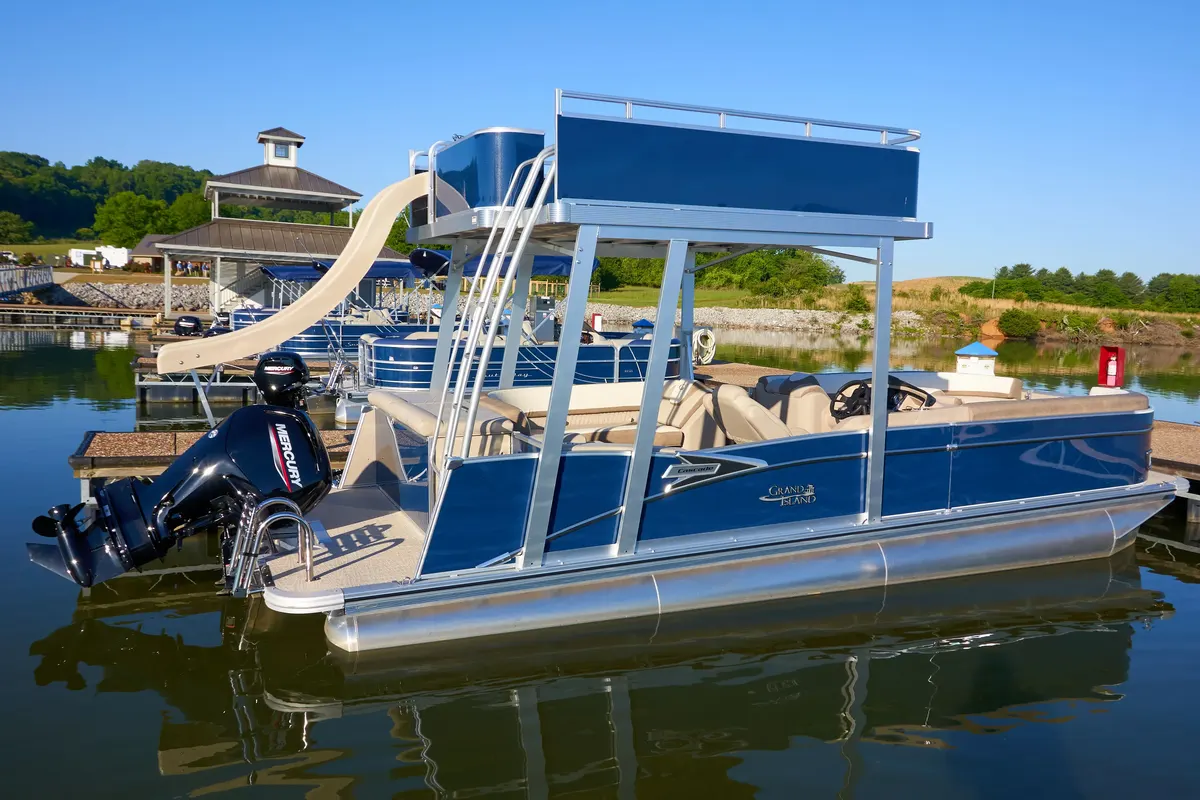
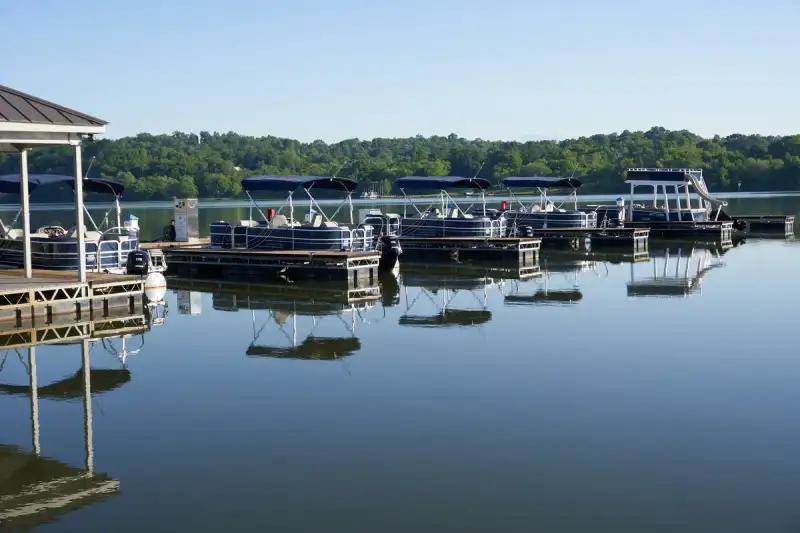
Dock design must respect local regulations and the lake’s ecology. Floating docks are often preferable where water levels fluctuate, while fixed piers may suit stable shorelines. The material selection—aluminum frames with composite decking, for example—can reduce maintenance and avoid leaching harmful chemicals into the water.
Maintenance, Resilience, and Long-Term Ownership
Owning a lakeside home involves ongoing stewardship. Regular inspections of foundations, drainage systems, and shoreline stabilization measures reduce the risk of sudden failure. Routine maintenance of decks, roofs, and exterior finishes prevents cumulative damage from moisture and UV exposure.
Preparing for Storms and Climate Variability
Climate resilience is increasingly important. Elevating critical systems above expected flood levels, designing mechanical rooms with water-resistant materials, and including backup power options like a generator or battery storage make the home more resilient during extreme weather. A defensible maintenance plan for shoreline vegetation and erosion control extends the life of both the land and the home.
Seasonal Care and Year-Round Use
Seasonal tasks—winterizing outdoor plumbing, securing screens, and checking roof flashings—protect the property from cyclical damage. For homes used seasonally, consider systems that allow remote monitoring of heating, fire alarms, and sump pumps so problems can be detected and addressed quickly. For full-time residences, design choices that minimize routine upkeep will free time to enjoy the setting rather than maintain it.
Final Design Tips and Priorities
Prioritize the view without sacrificing comfort: a great lakeside home is a balance of openness and refuge. Durable materials, well-detailed water management, and thoughtful siting will make the property resilient and enjoyable for years. Invest in the outdoor rooms as much as the interior—porches, terraces, and dock spaces are where memories take shape.
Work with professionals who understand local waterway regulations and the technical demands of shoreline construction. The result is a house that feels like it has always belonged to the lake: welcoming, weatherwise, and quietly elegant in its attention to place.
Discover Your Custom Lakeside Home at Tennessee National
Embrace the perfect blend of luxury and lakeside living at Tennessee National. Whether you’re envisioning a custom home crafted to harmonize with the serene waterfront or a move-in ready residence within a premier gated community, our stunning setting offers unmatched amenities including a Greg Norman Signature Golf Course, private marina, and waterfront dining. Experience resort-style living with scenic trails and vibrant social clubs designed to enrich your lifestyle. [