Florida has been the default retirement destination for decades. But a growing number of retirees are running the numbers and landing on a different answer: Tennessee.
The sunshine is nice. The math is better here.
The Tax Picture
Both Tennessee and Florida have no state income tax. That’s a wash. But the comparison doesn’t stop there.
Property taxes are where Tennessee pulls ahead. The average effective property tax rate in Tennessee is roughly 0.56% — well below the national average. Florida’s average sits around 0.86%. On a $500,000 home, that’s a difference of about $1,500 per year. Over a 20-year retirement, you’re looking at $30,000 saved before you even mow the lawn.
Sales tax is comparable. Tennessee’s state sales tax rate is 7%, with local additions bringing it to around 9.75% in most counties. Florida’s state rate is 6%, with local additions pushing it to 7–8%. Tennessee is slightly higher on everyday purchases, but the property tax savings more than offset this for homeowners.
Housing Costs: More Home for Your Money
This is where the gap widens.
The median home price in popular Florida retirement markets — Naples, Sarasota, The Villages — ranges from $350,000 to over $600,000 depending on the area. In East Tennessee, you can buy a custom-built home in a luxury lakefront community for the same price or less.
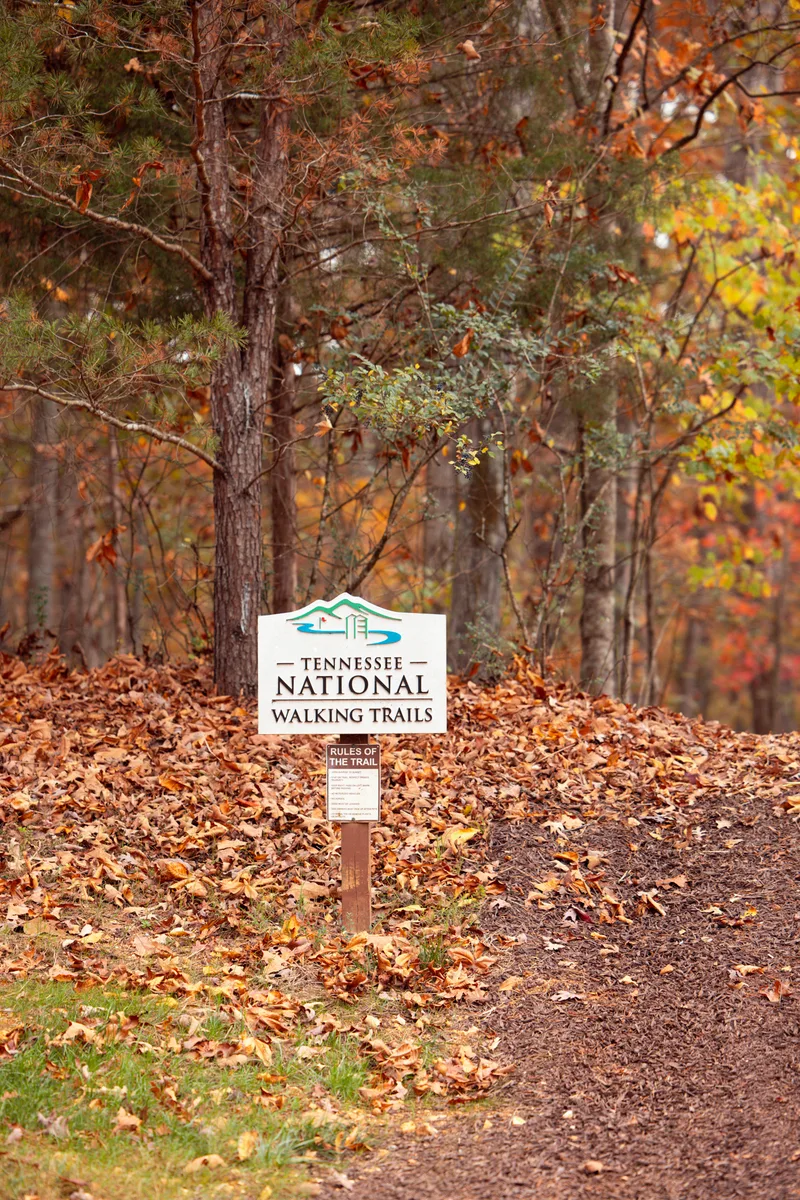
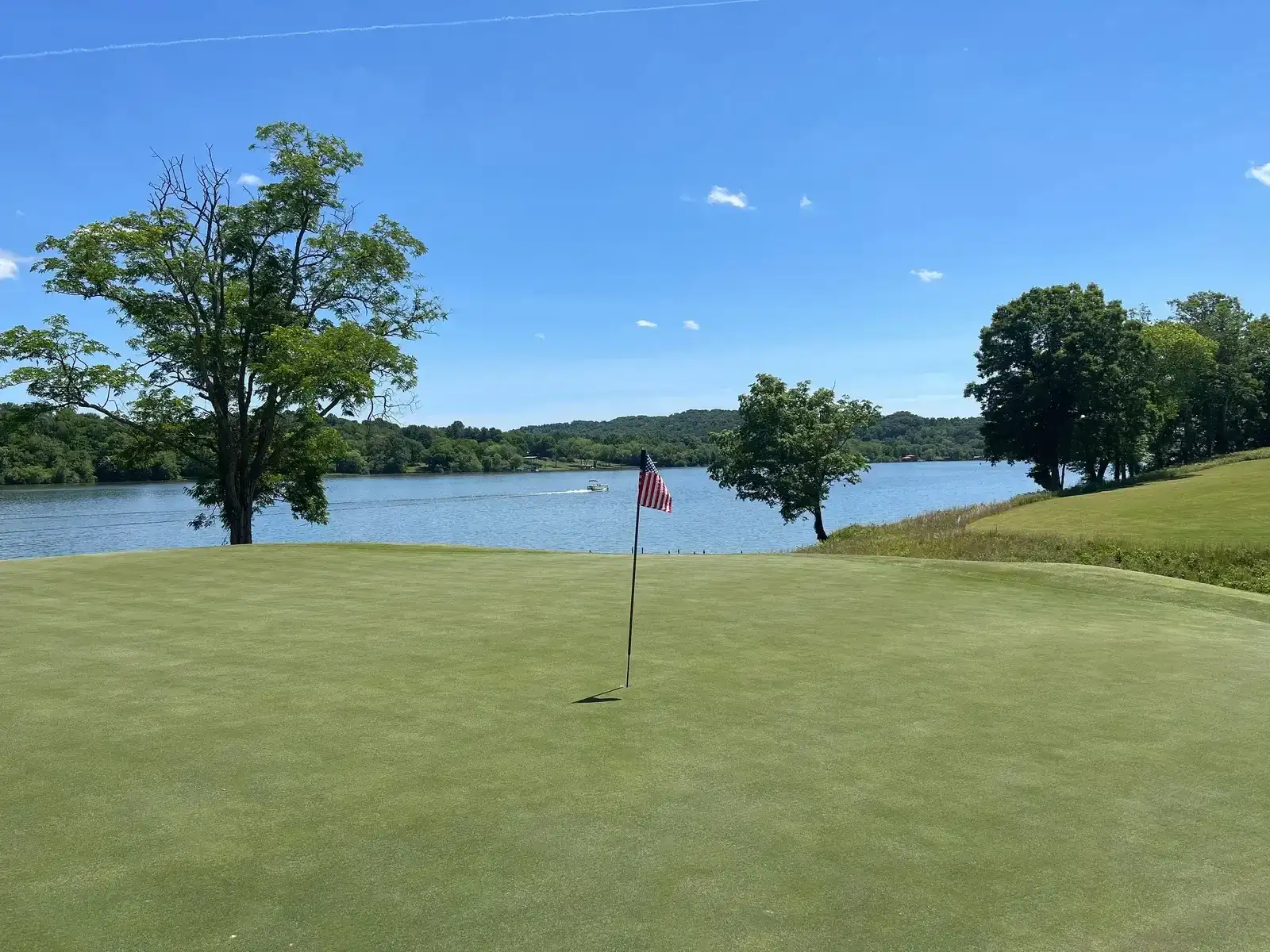
At Tennessee National in Loudon, homesites start well below what you’d pay for a comparable lot in coastal Florida. And you’re getting lake access, mountain views, and a championship golf course — not a retention pond and a strip mall.
The square footage matters too. A 2,500-square-foot home in East Tennessee costs significantly less to build than the same home in Southwest Florida, where contractor demand and hurricane-code requirements inflate prices by 15–25%.
Insurance: The Hidden Cost Crusher
Here’s where Florida quietly bleeds retirees dry.
Florida’s homeowners insurance crisis is well-documented. Average annual premiums now exceed $4,000 — and in coastal areas, $6,000 to $10,000 is common. Several major insurers have pulled out of the state entirely. Others are raising rates 30–40% year over year.
Tennessee’s average homeowners insurance premium hovers around $1,800 per year. No hurricanes. No flood zones on lakefront mountain property. No annual dread about whether your carrier will drop you.
Over a 20-year retirement, the insurance savings alone can exceed $80,000.
Healthcare Access
One concern retirees raise about East Tennessee: healthcare. Fair question. The answer is strong.
Knoxville — 35 minutes from Tennessee National — is home to the University of Tennessee Medical Center, Covenant Health, and multiple Tennova Healthcare facilities. Specialty care, oncology, cardiology, orthopedics — it’s all within a short drive.
Fort Loudoun Medical Center in Loudon provides local emergency and outpatient services. And the region’s lower cost of living extends to healthcare costs. Medicare Advantage plans in East Tennessee tend to have lower premiums and broader provider networks than comparable plans in high-demand Florida metros.
Everyday Expenses
Groceries, gas, utilities — these daily costs add up over a 20- or 30-year retirement.
Groceries in Tennessee run about 5% below the national average. Florida is roughly at the national average, with South Florida markets running above it.
Utilities are lower in Tennessee. Electricity through TVA (Tennessee Valley Authority) is among the most affordable in the nation. Florida’s air conditioning costs from May through October can push monthly electric bills past $250–$300.
Gas prices are consistently lower in Tennessee, typically 15–25 cents per gallon less than Florida.
The Lifestyle Comparison
Cost is one thing. What you get for that cost is another.
Florida offers beaches. Tennessee offers mountains, lakes, and four distinct seasons. If your ideal retirement is sitting on a beach, Florida wins that specific contest.
But if your ideal retirement includes golf, boating, fishing, hiking, and a genuine sense of community — Tennessee matches or beats Florida on every count, often at lower cost.
At Tennessee National, residents have access to a private marina on Watts Bar Lake, an 18-hole championship golf course, a clubhouse with dining and social events, and proximity to Great Smoky Mountains National Park. The community is active year-round. No “off season” where half the neighborhood goes home.
The Weather Factor
Florida’s biggest selling point is also its biggest liability. Yes, winters are warm. But summers are brutal — oppressive heat and humidity from May through October that keeps most retirees indoors.
East Tennessee has genuine seasons. Warm summers (high 80s, not triple digits). Spectacular fall foliage. Mild winters with occasional snow. Spring that actually feels like spring. You’ll use your porch twelve months a year.
And you won’t spend five months every year watching the Weather Channel for hurricane updates.
The Bottom Line
Here’s a realistic annual cost comparison for a retired couple:
| Category | Florida (Avg.) | Tennessee (Avg.) |
|---|---|---|
| Property Tax ($500K home) | $4,300 | $2,800 |
| Homeowners Insurance | $5,500 | $1,800 |
| Utilities (Annual) | $3,600 | $2,400 |
| Healthcare (Out-of-pocket) | $6,200 | $5,400 |
| Groceries | $7,800 | $7,200 |
| Total | $27,400 | $19,600 |
That’s roughly $7,800 per year in savings — or about $156,000 over a 20-year retirement. Invested conservatively, that difference grows even larger.
What Retirees Are Discovering
The migration data tells the story. Tennessee has been among the top five inbound states for retirees for three consecutive years. Many of those new residents are coming directly from Florida, citing insurance costs, overcrowding, and a desire for a more grounded lifestyle.
They’re not giving up luxury. They’re finding more of it for less.
Tennessee National offers the lakefront, golf-course lifestyle that many retirees dream about — without the financial anxiety that now comes with Florida homeownership. Located in Loudon, Tennessee, it puts you 35 minutes from Knoxville and under an hour from the Smokies.
The numbers don’t lie. Run yours, and see where you land.