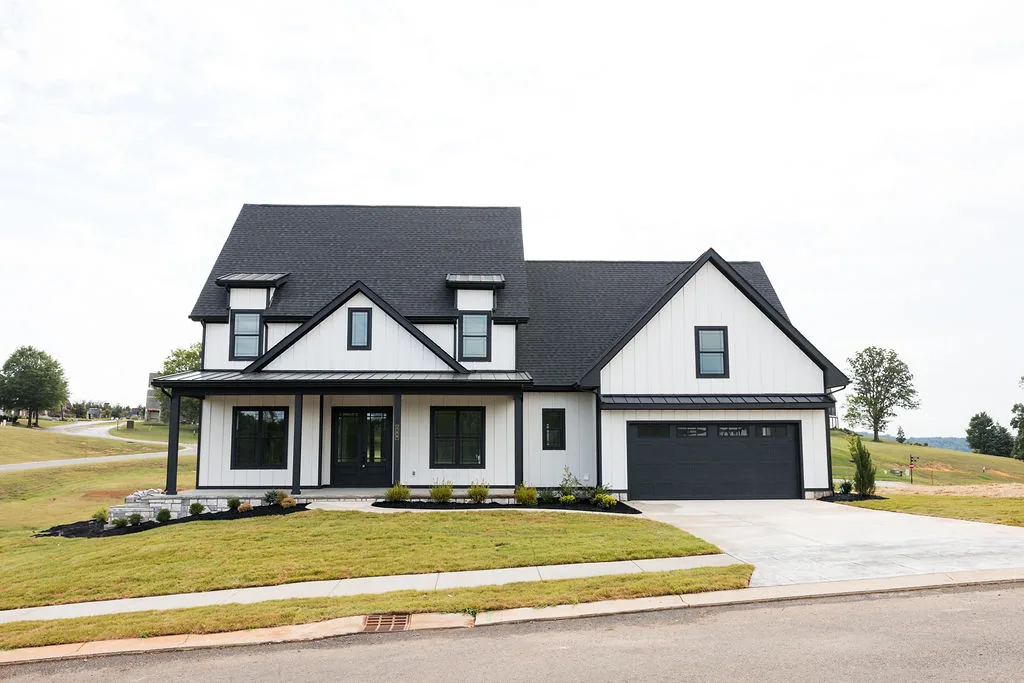

Building a home in Tennessee offers a unique blend of scenic landscapes, cultural character, and a range of climates from the Appalachian Mountains to the Mississippi Delta. The process requires thoughtful planning that respects local codes, site conditions, and the lifestyle preferences that make a house feel like a home. This guide walks through the essential steps and considerations to successfully create a custom-built residence in the Volunteer State.
Begin with a Clear Vision and Realistic Budget
Every successful build begins with a clear vision of how the finished home should function and feel. Consider how many bedrooms and bathrooms are needed, whether single-story living or a multi-level layout suits the lot, and which spaces are priorities — a large kitchen, outdoor living area, or a dedicated home office. A wish list that separates “must-haves” from “nice-to-haves” makes trade-offs easier during design and bidding.
Budgeting needs to be comprehensive. Include land acquisition, site preparation, foundation, structure, finishes, mechanical systems, landscaping, permits, utility hookups, and a contingency of at least 10–15% for unexpected costs. Factor in soft costs such as architectural and engineering fees, survey and soil tests, and financing charges. Local construction costs vary across Tennessee, so obtain area-specific estimates before finalizing the budget.
In addition, engaging early with a knowledgeable architect or builder can help refine your vision into practical plans that optimize space and energy efficiency. Researching local zoning laws and building codes ensures your design complies with regulations, preventing costly modifications later. Taking time to prioritize design elements aligned with your lifestyle and long-term needs will result in a home that truly supports your daily living and future growth.
It’s also important to consider the timing of your project in relation to market conditions and contractor availability. Building during peak construction seasons might impact material prices and labor costs, so strategizing your timeline can potentially save money and reduce delays. Consulting with a local real estate expert can provide insights into neighborhood trends, ensuring your investment holds or increases in value over time.
Financing Options and Pre-Approval
Construction loans and construction-to-permanent mortgages are common ways to finance a custom build. These loans typically disburse funds in stages as the work progresses and convert to a traditional mortgage after completion. Homebuyers often secure pre-approval to understand borrowing capacity and to present stronger offers on land or when negotiating with builders.
Alternative financing may include using equity from an existing property, cash reserves, or partnering with private lenders. Eligibility and loan terms depend on credit, income, and detailed construction estimates, so working with a lender experienced in Tennessee construction financing will streamline the process.
Moreover, understanding the draw schedule—the timeline and conditions under which funds are released—is critical for managing cash flow throughout construction. Coordinating regularly with your lender and builder helps ensure inspections and milestones are met to release funds promptly. By establishing clear communication channels early on, unexpected financial roadblocks can be minimized.
Many lenders also require detailed documentation such as a construction contract, builder qualifications, and a thorough appraisal. Preparing these documents in advance facilitates smoother approval. Additionally, consider discussing insurance options like builder’s risk insurance to protect your investment during construction from unforeseen events such as weather damage or theft.
Choose the Right Location and Understand Site Constraints
Tennessee’s geography affects lot selection and home design. In the eastern counties, slopes and mountain views can drive design choices and foundation costs. Middle Tennessee offers rolling hills and many acreages close to urban centers, while West Tennessee includes flatter parcels with easier site preparation but often different soil considerations. Researching microclimates, seasonal sun exposure, and prevailing winds can guide window placement and outdoor living orientation.
Assess Utilities and Access
Confirm availability and capacity of municipal water and sewer, or determine whether a well and septic system will be required. Rural lots frequently need septic system design and approval by the county health department, which can influence house placement and landscaping. Electric service and broadband access are also critical; verify transformer capacity and any costs for extending power or internet to the lot.
Beware of Regulatory and Environmental Restrictions
Check zoning rules, setback requirements, and any overlay districts such as historic, floodplain, or steep slope regulations. Properties in a designated floodplain may require an elevated foundation or specific floodproofing measures and might carry higher insurance costs. If the lot is heavily wooded, local ordinances or homeowner association rules may restrict tree removal or require replanting. Wetland areas and threatened species habitats can trigger additional permitting.
Hire Design and Construction Professionals
Selecting the right team significantly influences quality, timeline, and budget adherence. An architect or designer translates the vision into formal plans that meet Tennessee building codes and local ordinances. A licensed architect is recommended for complex designs or when site conditions demand innovative solutions, while experienced residential designers can be suitable for traditional layouts and budgets.
Choosing a Builder or General Contractor
Whether to hire a design-build firm, a general contractor, or manage subcontractors directly depends on comfort level and project complexity. Design-build firms offer streamlined responsibility because design and construction are integrated. Independent general contractors allow for competitive bidding on subcontractors and potentially tighter cost controls, but require clear contracts and oversight.
Vet contractors by checking licenses, references, and work history with similar Tennessee projects. Review projects in similar climate zones or terrain to ensure relevant experience. Request detailed proposals that break down labor, materials, allowances, and schedules. A written contract should define payment terms, a clear timeline, change order procedures, and warranty coverage.
Plan for Weather, Energy Efficiency, and Durability
Tennessee’s climate includes hot, humid summers and variable winters, which makes energy-efficient design and moisture management essential. Insulation, air sealing, and climate-appropriate HVAC equipment reduce operating costs and improve comfort. Consider mechanical ventilation strategies to control humidity and indoor air quality, especially in well-sealed homes.
Recommended Systems and Materials
High-performance windows with low-e coatings and proper shading reduce heat gain in summer and retain warmth in winter. Insulation levels should meet or exceed local code; spray foam, blown cellulose, or dense-pack fiberglass are common choices depending on budget and assembly. Durable exterior materials like fiber-cement siding, brick, or properly treated wood stand up well to regional weather and reduce maintenance.
Roofing choices should factor in wind resistance and hail potential; metal roofs have become more popular in Tennessee for longevity and resilience. Proper flashing, guttering, and grading away from the foundation protect against water intrusion. Consider energy-efficient HVAC systems sized by Manual J calculations, heat pumps for milder areas, and zoned systems for larger homes.
Navigating Permits, Inspections, and Local Codes
Permitting processes vary by city and county in Tennessee. Permit requirements may include building permits, electrical, plumbing, mechanical permits, septic permits, and erosion-control approvals. Start permit applications early since review times can add weeks to the schedule.
Inspections and Compliance
Regular inspections are typically required at foundation, framing, mechanical, and final stages. A proactive approach to scheduling inspections prevents costly delays. Ensure that any required energy code compliance documentation is prepared — many jurisdictions require insulation and HVAC performance verification.
For historic areas or neighborhoods with design review boards, additional approvals may be needed before permits are issued. Engage with local officials and design reviewers early to avoid design rework and to ensure the home aligns with neighborhood character when required.
Manage the Construction Timeline and Communication
Construction of a custom home in Tennessee commonly takes 8 to 12 months, but complex sites or high-end finishes can extend that timeline. Establish a realistic schedule with milestones for site work, foundation, framing, mechanicals, and finishes. Weather, material lead times, and subcontractor availability can impact the timeline, so build contingency into the plan.
Maintain Clear Communication
Frequent communication between the homeowner, builder, and design team keeps decisions coordinated and minimizes misunderstandings. Weekly updates, shared schedules, and documented change orders help manage expectations. Visiting the site regularly provides a tangible sense of progress and makes it easier to catch potential issues early.
Interior Finishes, Landscaping, and Final Touches
Selecting finishes can be the most enjoyable — and sometimes most stressful — part of building. Consolidate finish decisions around style, durability, and maintenance. For example, hardwoods, tile, and stone are durable choices for high-traffic areas, while engineered flooring or luxury vinyl plank provides good moisture resistance in basements and kitchens.
Showers, Kitchens, and Outdoor Living
Kitchen and bath layouts benefit from careful attention to workflow and storage. Pulling together a palette early for countertops, cabinetry, and tile reduces delays. In Tennessee, outdoor living spaces extend usable months; covered porches, screened-in rooms, and well-oriented patios make the most of pleasant springs and falls. Include durable exterior lighting, electrical outlets, and comfortable transitions from inside to outside.
Prepare for Move-In and Long-Term Ownership
Before move-in, complete a thorough punch list that documents any unfinished work or defects. Builders often provide a warranty period for workmanship and major systems; understand what is covered and the process for requesting repairs. Maintain copies of as-built drawings, warranties, and equipment manuals in a central folder for future reference.
Ongoing Maintenance and Energy Monitoring
New homes still require routine maintenance — gutters, HVAC filters, sealing gaps, and managing landscaping to prevent water issues near the foundation. Consider installing monitoring systems for HVAC performance and energy usage; these tools make it easier to identify inefficiencies and maintain comfort while keeping utility costs in check.
Long-term comfort also ties back to the original design choices: orienting the home for passive solar gains, choosing resilient exterior materials, and designing mechanical systems for accessibility and serviceability will pay dividends over the life of the home.
Local Resources and Final Tips
Tennessee offers a network of local trade associations, building departments, and energy-efficiency programs. Many utility companies and state programs provide incentives or rebates for energy-efficient equipment and insulation upgrades. Explore local builders’ portfolios and visit open houses or completed homes to gather realistic expectations about finishes and construction quality.
Key Takeaways for a Successful Build
Start with a detailed plan and realistic budget, choose a site that fits the lifestyle and understands its constraints, hire experienced professionals with Tennessee-specific experience, and anticipate weather and permitting timelines. Communication and documentation throughout construction protect the investment and help keep the project on schedule and on budget.
Building a dream home in Tennessee is a major undertaking, but with careful planning, the right team, and informed choices about materials and systems, the result can be a durable, comfortable home that fits the landscape and enhances daily life for years to come.