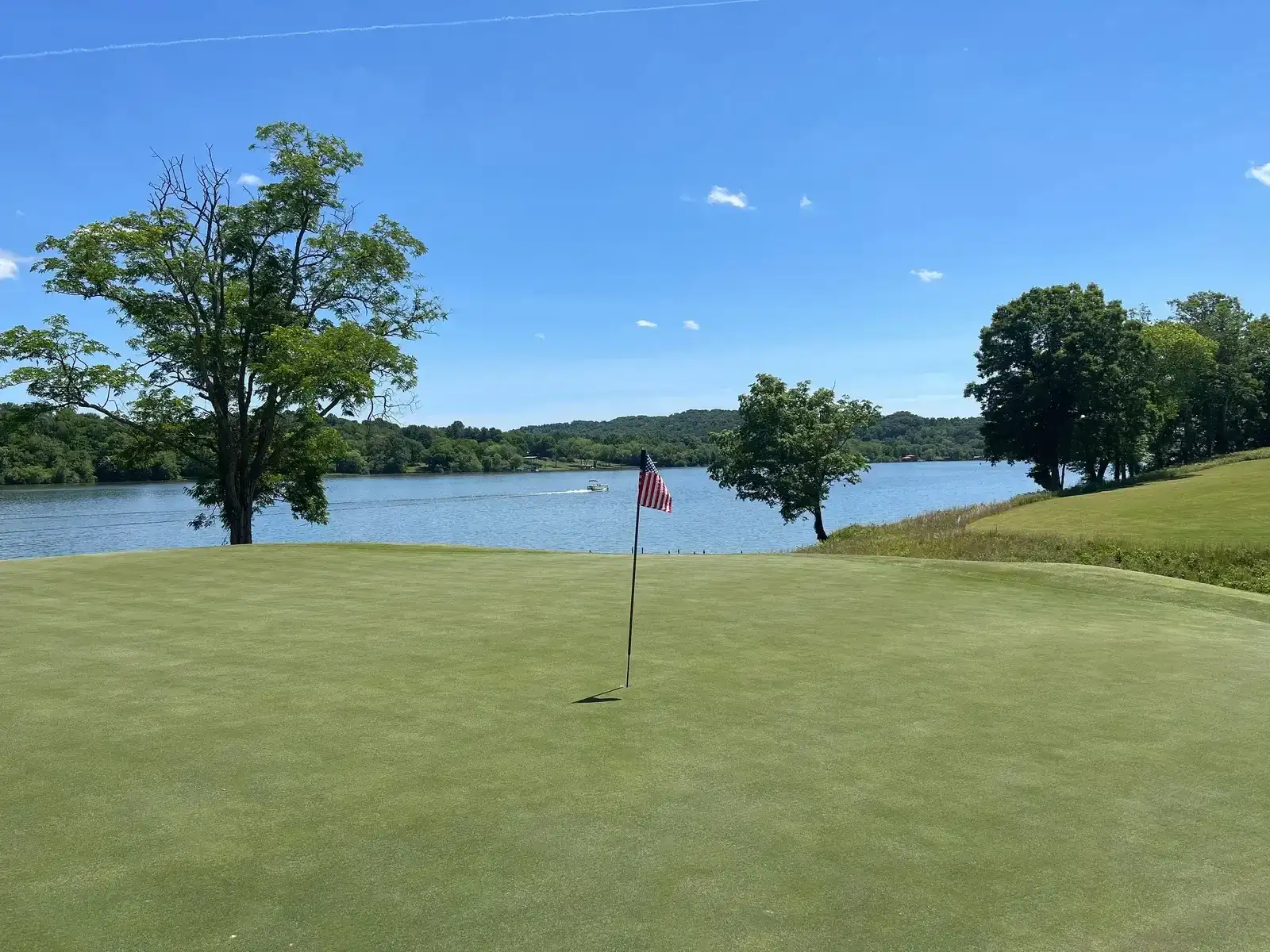
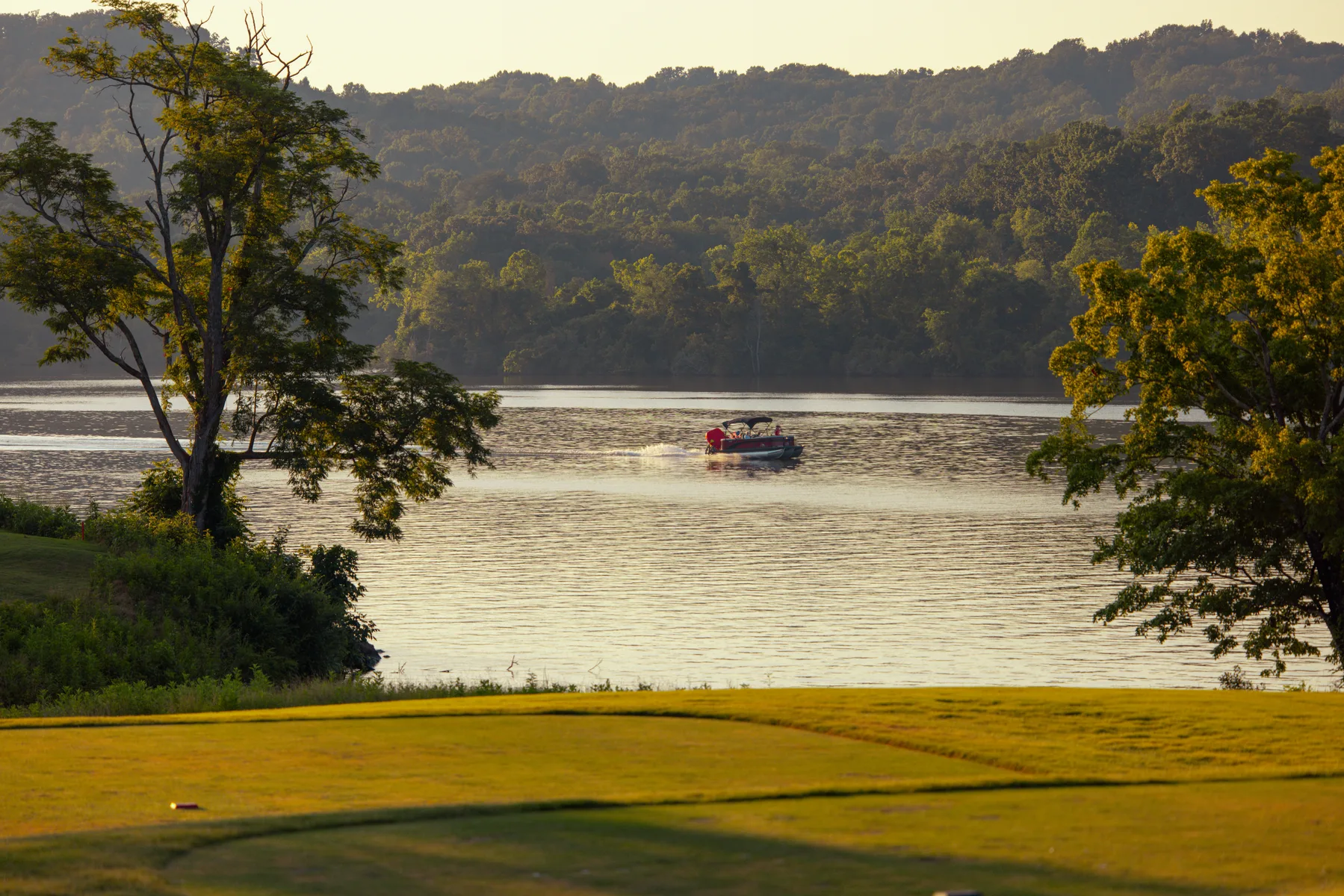
Retirement opens the door to reshaping daily life around long-held passions, and for many, the water calls with a promise of slower mornings, changing horizons, and a community built on shared love of boating. Transitioning to a boating lifestyle in retirement is both an exciting adventure and a significant logistical undertaking. This guide covers the major decisions and practical steps needed to relocate and successfully adopt a life centered on boats, marinas, and waterfront towns.
Choosing the Right Location
A relocation centered on boating begins with the right location. Climate, boating season length, proximity to medical care, and regional boating culture all influence long-term satisfaction. Warm-weather destinations lengthen the season but may bring hurricane risk or higher property prices. Cooler climates offer quieter marinas and dramatic seasonal beauty but require off-season planning and winterization of boats and equipment.
Consider the type of boating envisioned. Coastal cruising, lakeside living, and inland river systems each have distinct advantages. Coastal areas provide access to open water and coastal cruising routes, while lakes and rivers often offer calmer waters, lower slip fees, and a close-knit boating community. Research common navigational challenges—tides, shallow channels, and seasonal currents—before committing.
Additionally, evaluate the local boating infrastructure. Availability of well-maintained marinas, boat launch ramps, and storage facilities can greatly affect convenience and enjoyment. Some locations also offer boating clubs or educational programs that foster a supportive community environment, which can be invaluable for newcomers. Weather-related factors such as fog frequency or prevailing winds should also be considered, as they can impact daily boating conditions and safety.
Access to Healthcare and Services
Healthcare access becomes increasingly important in retirement. Choose a location with hospitals, clinics, and specialists within reasonable driving distance. Evaluate ambulance response times in coastal or rural areas and confirm that local marinas and communities have solid emergency plans. Proximity to shopping, hardware stores, and service providers for boat maintenance will streamline daily life and reduce stress when repairs are needed.
It’s also wise to investigate telemedicine options available in the area, as this can supplement in-person care, especially in more remote boating communities. Some regions have specialized services geared toward maritime injuries or conditions common among boaters, adding an extra layer of reassurance. Furthermore, check if local pharmacies stock medications commonly prescribed for chronic conditions, ensuring minimal disruption during boating seasons.
Cost of Living and Taxes
Cost-of-living variations can be stark between regions. Slip fees, property taxes, sales taxes on boats and fuel, and insurance premiums should be factored into the budget. Some states or municipalities offer tax advantages for retirees, while others may add fees for non-resident boat registrations or higher property assessments for waterfront properties. Create a long-term budget that includes seasonal expenses and potential fluctuations in property values.
In addition, explore the local incentives designed to attract boaters, such as discounts on marina services or fuel, as well as community grants for dock improvements. Understanding insurance requirements and premiums linked to specific areas, particularly those with higher risk of storms or flooding, is essential for accurate budgeting. Don’t overlook utility costs tied to waterfront properties, which can sometimes be higher due to specialized infrastructure needs.
Housing Options: Liveaboard, Cottage, or Nearby Home
Selecting where to live relative to the boat is a central decision. Options include becoming a full-time liveaboard, purchasing a waterfront cottage or condo with a slip, or living in a nearby town and keeping the boat at a marina. Each choice presents trade-offs in convenience, cost, regulations, and lifestyle.
Liveaboard Considerations
Living aboard can minimize commute times and deepen the boating lifestyle but requires attention to space management, systems maintenance, and marina rules. Some marinas restrict long-term liveaboard status or impose additional fees. Boat layout, storage, and climate control also weigh heavily on daily comfort. Understand local ordinances about liveaboard permits and waste management before choosing this route.
Shore Home with a Slip
Owning a cottage, condo, or house with a private dock blends the comforts of land-based living with direct boat access. This option often makes entertaining easier and provides more storage and workshop space for boat projects. However, property management, insurance, and potential flood or storm risk must be assessed carefully. Waterfront insurance, elevation requirements, and local flood zones should be researched thoroughly.
Living Nearby
Keeping a home a short drive from the marina can offer the best of both worlds: comfortable living quarters and convenient boat access without living in tight quarters. This approach requires reliable transportation and secure, affordable, and accessible boat storage or slip solutions. Evaluate ferry schedules, parking rules at marinas, and the availability of on-site amenities like restrooms, laundry, and social spaces.
Choosing the Right Boat for Retirement
Boat selection depends on intended activities, range, maintenance tolerance, and budget. Cruising couples often prioritize comfort, seaworthiness, and storage. Anglers might look for fishing-ready layouts, while those planning day trips may choose smaller, easier-to-maintain vessels. Reliability, fuel efficiency, and parts availability should be factored alongside lifestyle preferences.
New vs. Used Boats
New boats come with warranties and modern features, but depreciation and higher cost can be drawbacks. Used boats can offer excellent value, though thorough surveys and maintenance histories become critical. Always arrange a professional marine survey, check for osmotic blistering, structural issues, and engine condition. A well-documented service record can save thousands in surprise repairs.
Powerboat or Sailboat?
Powerboats offer speed, ease of handling for short trips, and straightforward systems, while sailboats provide a quieter, more self-reliant experience and better fuel economy for long passages. Skill level, willingness to learn, and intended cruising territories should guide this decision. Consider hybrid options like motorsailers for balanced performance and comfort.
Size and Systems
Size affects marina fees, docking ease, and maintenance. Larger boats provide more liveaboard comfort and storage but require bigger slips and higher costs. Systems like heating, air conditioning, watermakers, and generators enhance autonomy but add maintenance. Prioritize essential systems for the chosen climate and cruising expectations, and plan for service access in the new location.
Marina Life and Community Integration
Marinas often serve as social hubs, offering quiet conversation over coffee, volunteer opportunities, and local knowledge vital to safe navigation. Finding a marina with compatible social norms and amenities will improve overall enjoyment. Some marinas host events, educational seminars, and group cruises that help newcomers build friendships and learn regional boating practices quickly.
Marina Amenities and Services
Essential amenities include reliable power and water, fuel access, secure dinghy docks, laundry, and restrooms. On-site maintenance yards, haul-out facilities, and winter storage options increase convenience. Evaluate marina security, lighting, and staffing levels. Some marinas provide concierge services, pump-out stations, and loaner trucks for parts shopping, which can be invaluable during repairs.
Social Norms and Etiquette
Marina culture varies from relaxed and communal to private and quiet. Observe local etiquette regarding noise, shared spaces, and customs like helping with lines during docking. Participation in dockside gatherings or volunteer safety patrols builds goodwill and quick access to local tips. Respecting marina rules and neighbors maintains a positive living environment.
Maintenance, Repairs, and Long-Term Care
Regular maintenance keeps costs manageable and reduces downtime. Establishing a relationship with trusted marine mechanics, riggers, and surveyors in the new area pays dividends. Seasonal maintenance—hull cleaning, painting, engine servicing, and winterization—should be scheduled well in advance, especially in regions with limited winter service windows.
Budgeting for Upkeep
Plan for an annual maintenance budget that includes slip fees, insurance, routine servicing, spare parts, and upgrades. Unexpected repairs are inevitable, so an emergency fund dedicated to boat repairs helps avoid stressful decisions. A maintenance log detailing parts replaced, fluids changed, and previous issues will streamline appointments with technicians and preserve resale value.
DIY vs. Professional Services
Some retirees enjoy hands-on maintenance, which can be cost-effective and fulfilling. Others prefer outsourcing to professionals to avoid physical strain. Decide based on health, skill level, and complexity of the boat’s systems. For major tasks like engine overhauls, structural repairs, and electrical work, professional service is often the safer and more reliable choice.
Safety, Training, and Legal Requirements
Safety training is essential for a secure boating retirement. Courses in navigation, radar use, first aid, and advanced seamanship reduce risks and empower confident decision-making. Local regulations may require vessel registration, safety equipment, and operator certification. Stay informed about regional requirements and changes to maritime law.
Emergency Preparedness
Create an emergency plan that includes contact numbers, tow services, and evacuation routes for storms. Keep a fully stocked emergency kit on board with medical supplies, VHF radio, flares, and backups for critical systems. Regularly review and practice man-overboard drills and emergency communications with crew or nearby boater friends.
Insurance and Liability
Comprehensive insurance protects against theft, accidents, and weather damage. Liability coverage is critical when entertaining guests or operating in busy waterways. Compare policies for coverage limits, deductibles, and exclusions—especially for hurricane or flood coverage in coastal regions. Proof of insurance and a detailed inventory of onboard gear simplify claims if a loss occurs.
Practical Relocation Checklist
A clear checklist ensures nothing essential is overlooked during the move. Typical tasks include transferring medical records, updating legal residence, researching local regulations for boat registration, and arranging for utilities at a new dock or home. Advance planning reduces disruptions and speeds the transition into the new boating routine.
Pre-Move Tasks
Confirm slip availability, schedule boat transport if necessary, and secure temporary housing during the transition. Notify banks, insurance providers, and postal services of address changes and establish local service accounts for electricity or dock utilities. Schedule a pre-move inspection to address maintenance items that could become larger problems en route.
Post-Move Setup
On arrival, inspect mooring lines, check for leaks, and verify battery and bilge pump function. Introduce oneself to marina staff and neighbors to learn local procedures and emergency contacts. Register the vessel with local authorities, arrange for routine maintenance appointments, and join local boating clubs to accelerate community integration.
Enjoying the Lifestyle
Embracing a boating-centric retirement delivers daily joys: sunrise coffees on deck, impromptu beach picnics, and the camaraderie of fellow boaters. Planning for practicalities and safety allows greater focus on the pleasures of open water and coastal exploration. A thoughtful relocation aligns the practical needs of retirement with the freedom and beauty of life afloat.
For those drawn to life on the water, this relocation guide offers a framework for making informed choices. Careful planning, realistic budgeting, and community engagement will turn the dream of a boating retirement into a sustainable, fulfilling reality.
Discover Your Boating Retirement Home at Tennessee National
Ready to embrace a boating lifestyle that combines luxury, community, and waterfront access? Tennessee National offers the perfect setting with a private marina, scenic surroundings, and over 20 exclusive amenities to enhance your retirement experience. Whether you prefer a move-in ready residence or a custom home near the water, our gated community is designed to support your passion for boating and resort-style living. [