Watts Bar Lake isn’t just for boating and fishing. With 39,000 acres of clean water and over 700 miles of shoreline, it’s one of the best swimming lakes in East Tennessee — if you know where to go.
Here’s a guide to the best spots for a swim day on Watts Bar.
Why Watts Bar Lake Is Great for Swimming
First, the basics. Watts Bar is a TVA reservoir fed by the Clinch and Tennessee Rivers. The water quality is monitored regularly and consistently rates well. The lake is deep enough to stay clear in most areas, and the coves are protected from heavy boat wake.
Water temperatures reach the upper 70s to low 80s by June and stay swimmable through September. In a warm year, May and October are comfortable for anyone who doesn’t need bathwater temperatures.
The lake’s size means you’re never competing for space. Even on a busy holiday weekend, you can find a quiet cove with shoreline all to yourself.
Quiet Coves Off the Main Channel
The main channel of Watts Bar sees most of the boat traffic. The best swimming is in the side coves and creek arms that branch off the main body.
These coves are calmer, warmer, and more private. Many have gently sloping banks — natural entry points where you can wade in gradually. Others have rock ledges that drop into deeper water for those who want to jump.
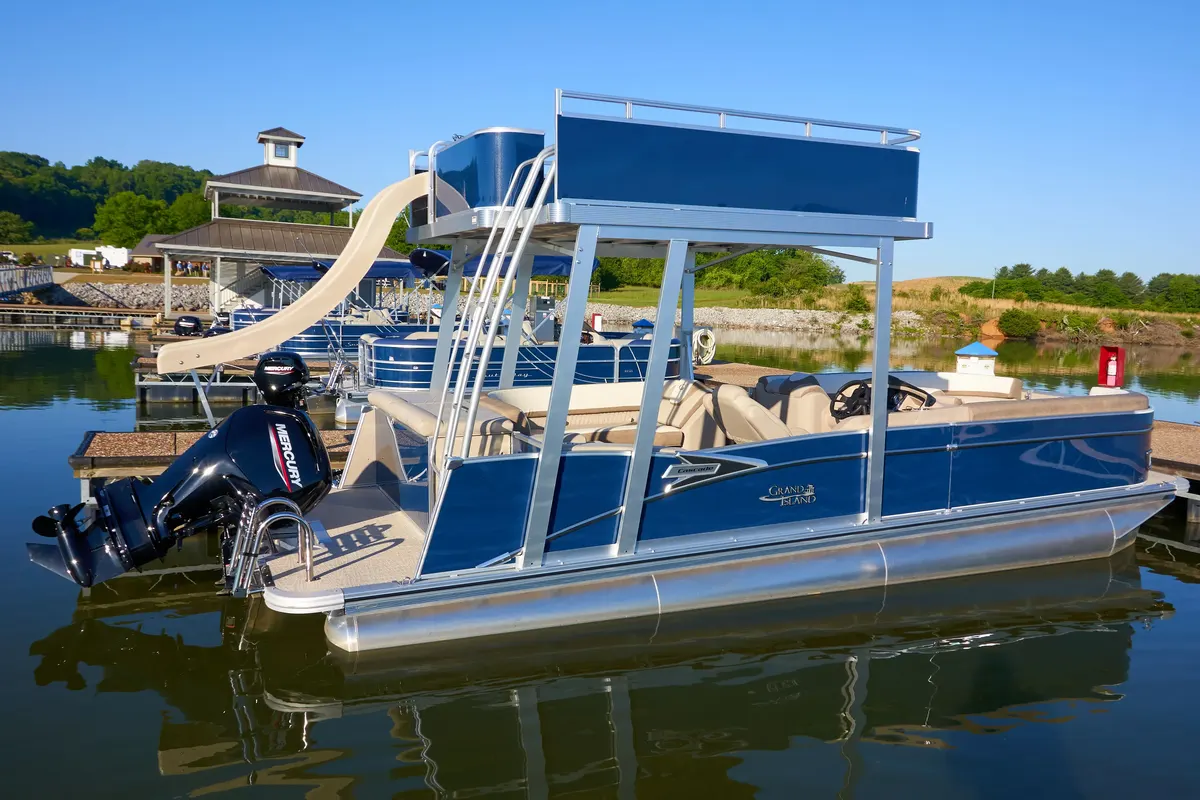
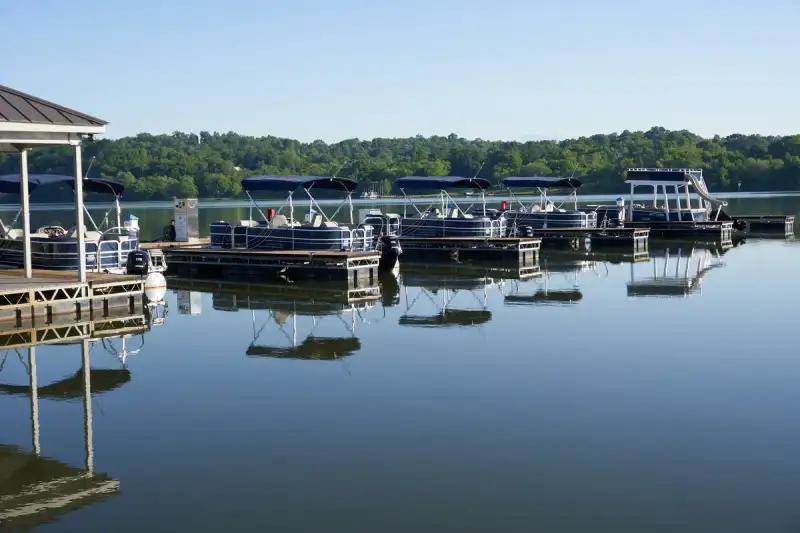
Residents at Tennessee National have easy access to several coves within minutes of the private marina. You can anchor a pontoon in a protected cove, drop the swim ladder, and have your own private swimming hole for the afternoon.
The Clinch River Arm
The Clinch River feeds into Watts Bar from the north, and the stretch where the river meets the lake creates some of the best swimming water on the entire reservoir.
The Clinch runs cooler than the main lake — a welcome difference on a 90-degree July afternoon. The water clarity in this arm is often superior because the flow keeps sediment moving.
Several public access points along the Clinch arm have shoreline suitable for wading and swimming. For boat owners, the Clinch arm is a 15-to-20-minute cruise from Tennessee National’s marina.
Thief Neck Island Area
Thief Neck Island sits in the middle section of Watts Bar Lake and creates a natural windbreak. The water around the island stays calmer than the open channel, making it a favorite for families with younger swimmers.
The shallow banks near the island are sandy in places — rare for a TVA lake — and the gradual depth change means kids can play in knee-deep water while adults swim farther out.
Anchor on the leeward side of the island on a summer afternoon, and you’ll find a half-dozen boats doing the same thing. It’s social without being crowded. Bring a float, a cooler, and no schedule.
Whites Creek Embayment
Whites Creek is one of the longer creek arms on Watts Bar. It narrows as you travel up, which limits larger boat traffic and keeps the water quiet.
The upper reaches of Whites Creek are ideal for swimming — protected from wind and wake, with tree-lined banks that offer shade through midday. The water here warms faster than the main lake in spring, making it one of the first spots that feels comfortable each season.
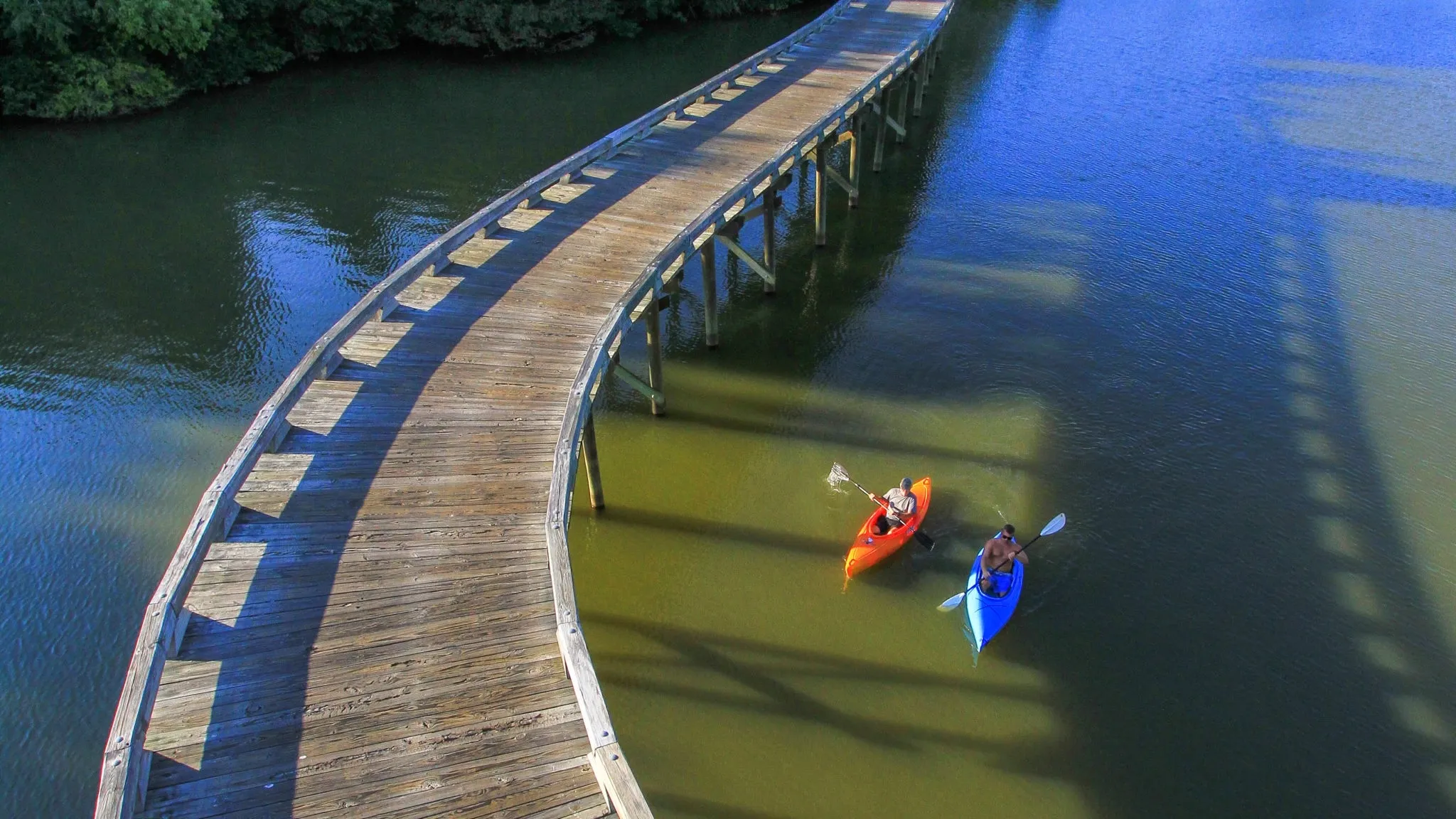
Kayakers and paddleboarders love Whites Creek too, so you’ll often see a mix of swimmers and paddlers sharing the space peacefully.
Public Access Points
Not everyone has a private marina at their doorstep. Watts Bar Lake has several public access areas with swimming-friendly shoreline.
Watts Bar Dam Reservation — managed by TVA, this area below the dam has picnic facilities and shoreline access. The water is cooler here due to dam releases, which some swimmers prefer.
Hornsby Hollow — a public boat ramp area with banks suitable for wading. Less developed, which keeps crowds thin.
Rhea Springs Recreation Area — on the eastern shore, this spot has a more developed setup with picnic areas and gentler banks for swimming.
For Tennessee National residents, the private marina and community lake access eliminate the need for public ramps entirely. You’re on the water from your own community in minutes.
Swimming Safety on Watts Bar
TVA lakes are generally safe for swimming, but a few things are worth knowing.
Watch for boat traffic. Stay in coves and off the main channel when swimming. A swim flag on your anchored boat is smart practice.
Check water levels. TVA manages water levels for flood control and power generation. Levels can fluctuate, especially in spring. Higher water means submerged banks and less wading area. Lower water can expose stumps and rocks.
Wear a life jacket in open water. Even strong swimmers should respect a 39,000-acre lake. Conditions can change, and distances are deceiving on open water.
Avoid swimming near dams or intake structures. Currents near these areas are unpredictable and dangerous.
Best Time of Day for a Swim
Early morning on Watts Bar is magical — glass-calm water, mist rising, no boat traffic. If you want a peaceful swim, go before 9 a.m.
Midday is warmest and best for families who want comfortable water temperatures. The sun is high, the coves are bright, and the water is at its peak warmth.
Late afternoon through sunset is the sweet spot for many residents. The heat breaks, the light turns golden, and the lake quiets down as boats head in for the evening. A sunset swim from an anchored pontoon is hard to beat.
Living Where the Lake Is Your Backyard
Most people drive an hour, launch a boat, fight for parking, and spend half their lake day on logistics. At Tennessee National, the lake is part of daily life.
The private marina on Watts Bar Lake means residents are swimming, boating, fishing, or paddling whenever the mood strikes — not just on weekends when they can carve out enough time to make the trip worthwhile.
That access changes your relationship with the water. It stops being an event and starts being a routine. Tuesday morning kayak. Thursday afternoon swim. Sunday sunset cruise.
If a life centered on the lake sounds right, schedule a visit to Tennessee National and see how close the water really is.